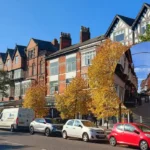

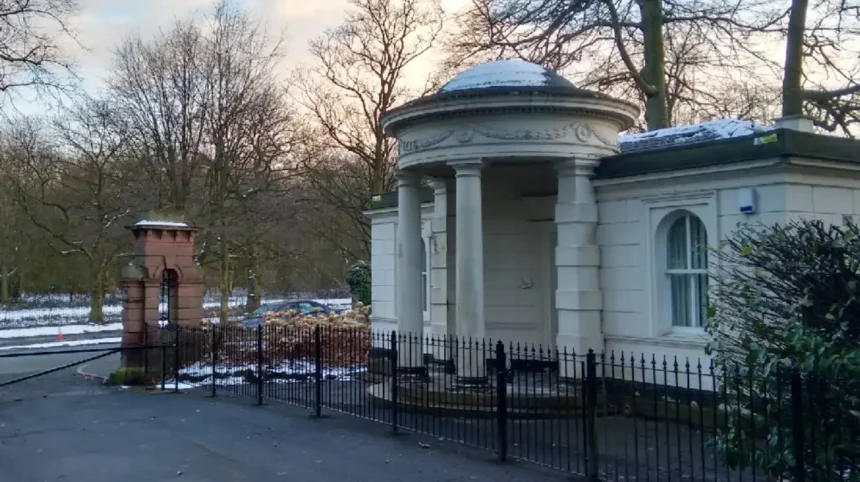
Allerton is worth visiting because it blends Beatles heritage, ancient history, and vast green spaces within a quiet residential framework. Visitors experience 126-acre parklands, neolithic monuments, Victorian architecture, and thriving independent dining streets without inner-city tourism crowds.
- How does Allerton connect to The Beatles and music history?
- What historic sites can you explore in Calderstones Park?
- What are the best dining and shopping spots on Allerton Road?
- How do you get to Allerton from Liverpool city centre?
- How does Allerton compare to other Liverpool suburbs like Woolton and Lark Lane?
- Frequently Asked Questions
Allerton is an affluent suburb located three miles southeast of Liverpool city centre in Merseyside, England. Historically recorded in the 1086 Domesday Book as Alretune, meaning the alder enclosure, the area transitioned from a rural township into a prestigious merchant residential district during the 19th century. Today, the suburb serves as a central point for culture, music history, and outdoor recreation.
Travelers visiting the area gain direct access to landmark locations connected to global pop history and ancient British archaeology. Calderstones Park forms the geographical and recreational heart of the suburb, containing the 1,000-year-old Allerton Oak and six neolithic sandstone megaliths. The suburb connects directly to Paul McCartney and John Lennon through nearby residential streets, former schools, and famous landmarks immortalized in 1960s rock music.
The area offers an authentic alternative to Liverpool city centre. Visitors can walk along leafy avenues, explore independent shops along Allerton Road, and inspect historic architecture. The neighbourhood combines high factual density of historical artifacts with a calm suburban atmosphere, making it a valuable addition to any Merseyside itinerary.
How does Allerton connect to The Beatles and music history?
Allerton holds significant Beatles history as the childhood stomping ground of Paul McCartney and John Lennon. The suburb borders famous landmarks like Penny Lane, Forthlin Road, and Quarry Bank High School, where the musicians spent their formative musical years.
The Beatles built deep creative roots within Allerton and its immediate surrounding borders during the 1940s and 1950s. John Lennon attended Quarry Bank High School, now Calderstones School, situated directly adjacent to Calderstones Park. Lennon routinely walked through the suburb, drawing visual and thematic inspiration from local streets, bus routes, and neighborhood characters.
Paul McCartney lived at 20 Forthlin Road in neighboring Allerton-adjacent Allerton/Mather Avenue area, a property now preserved by the National Trust. The house served as the rehearsal location where McCartney and Lennon composed early hits like I Saw Her Standing There. The famous Penny Lane junction sits at the northern boundary where Allerton meets Mossley Hill and Wavertree, anchoring the bus shelter, barber shop, and bank mentioned in the 1967 track.
Thousands of music tourists visit Allerton annually to trace these physical origins. Walking tours and official bus routes stop at key landmarks across the suburb. Exploring Allerton provides tangible context to the songwriting partnership that redefined global popular music during the 20th century.
What historic sites can you explore in Calderstones Park?
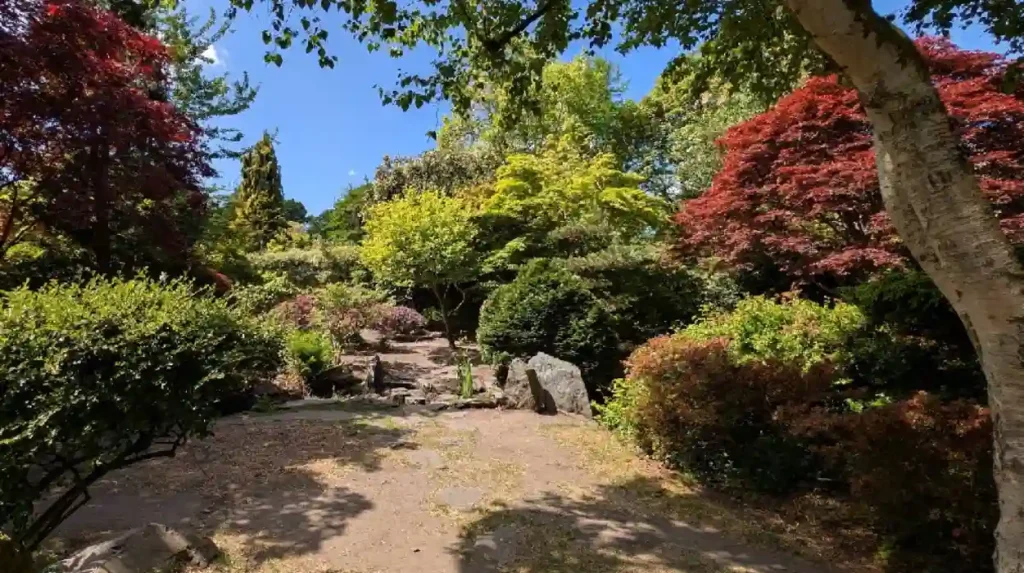
Calderstones Park features ancient neolithic burial stones, a 1,000-year-old oak tree, and a 19th-century Mansion House. These historic assets represent over four millennia of human activity, from prehistoric burial rituals to Victorian botanical garden developments.
Calderstones Park covers 126 acres of green space and holds the oldest documented historical artifacts in the city of Liverpool. The central historic asset is the set of six Calderstones, sandstone megaliths remaining from a neolithic passage tomb dated to 3000 BC. The stones display spiral markings and cup marks similar to prehistoric monuments found in Ireland and North Wales.
The park contains the Allerton Oak, a sessile oak tree estimated to be over 1,000 years old. Historical records indicate the tree served as the meeting site for the medieval Hundred Court during the 12th century. In 2019, the Allerton Oak won the UK Tree of the Year competition, confirming its status as a vital piece of living natural heritage.
Calderstones Mansion House, constructed in 1828 for cotton merchant Charles MacIver, stands near the center of the estate. The building now houses The Reader organization, a literary charity operating a public cafe, community library, and interactive story centre. The surrounding grounds feature formal botanical gardens, a Japanese garden, a boating lake, and a collection of rare tree species imported during the Victorian era.
What are the best dining and shopping spots on Allerton Road?
Allerton Road offers a high concentration of independent restaurants, cafes, bars, and boutique shops. It functions as South Liverpool’s premier suburban commercial corridor, serving modern British culinary concepts, international dining, and locally sourced retail goods.
Allerton Road forms the commercial spine of the suburb, stretching continuously into neighboring Mossley Hill. The corridor evolved from a basic suburban high street into a modern culinary hub during the 2010s. It hosts diverse culinary businesses including traditional bakeries, artisan coffee roasters, Italian trattorias, and contemporary Asian fusion kitchens.
Independent shopping thrives along the street alongside essential neighborhood amenities. Visitors can browse local gift shops, family-run butchers, wine merchants, and fashion boutiques. On the third Saturday of every month, the nearby Garthdale Road area hosts a popular local farmers market selling fresh regional produce, hand-crafted cheeses, and homemade baked goods.
The street provides an active evening economy driven by wine bars, craft beer taprooms, and neighborhood pubs. Unlike the fast-paced nightlife of Liverpool city centre, Allerton Road maintains a relaxed, community-focused ambience. The culinary selection makes it an ideal destination for afternoon tea, formal dining, or evening drinks after sightseeing.
How do you get to Allerton from Liverpool city centre?
Allerton is accessible from Liverpool city centre via direct public buses, local train lines, and personal vehicles. Public transit routes connect Central Station and Lime Street directly to Allerton Road and Calderstones Park in under 30 minutes.
Traveling by public bus represents the most direct transit method for tourists. Merseytravel operates the 75, 76, and 86A bus routes continuously from Liverpool ONE Bus Station and Queen Square Bus Station. These services run every 10 to 15 minutes, dropping passengers directly along Allerton Road or near the entrances of Calderstones Park.
Rail travel provides another quick option for visitors. Merseyrail operates frequent train services on the Northern Line from Liverpool Central Station to West Allerton Station and Mossley Hill Station. The rail journey takes approximately 12 minutes, followed by a short 10-minute walk east into the central areas of Allerton.
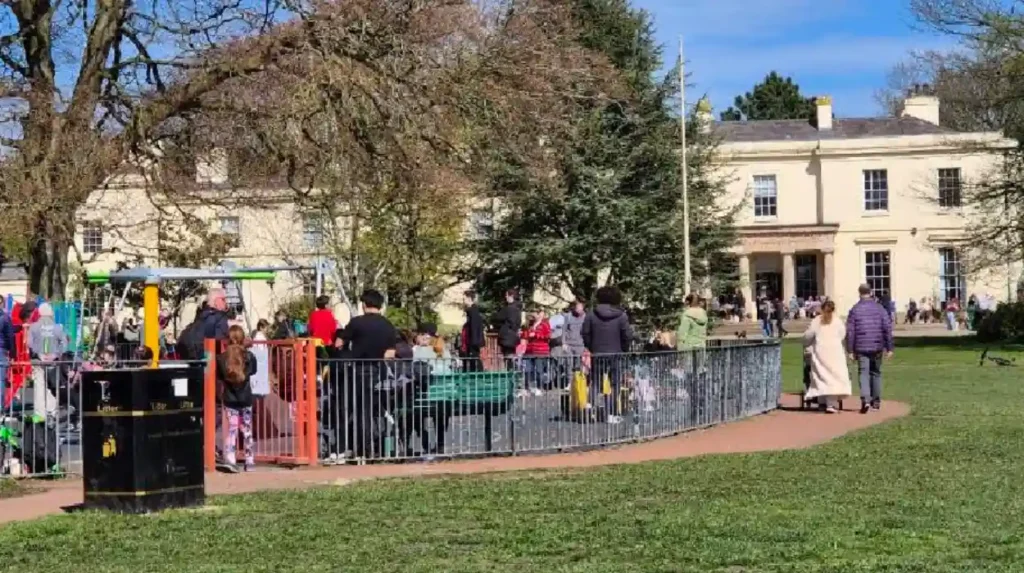
Taxis and rideshare services operate extensively throughout Merseyside, offering a 15-minute journey from the city centre under normal traffic conditions. Drivers can access the suburb via the A562 road or Menlove Avenue. Ample street parking and designated parking lots exist at Calderstones Park for travelers arriving by personal or rental automobiles.
How does Allerton compare to other Liverpool suburbs like Woolton and Lark Lane?
Allerton offers a balanced suburban experience combining extensive parkland, quiet housing, and a modern dining corridor. It is less dense than Lark Lane and features larger historical park spaces than neighboring Woolton Village.
| Feature | Allerton | Woolton | Lark Lane (Aigburth) |
| Primary Attraction | Calderstones Park & Megaliths | Strawberry Field & Historic Village | Sefton Park Access & Nightlife |
| Atmosphere | Leafy, suburban, affluent | Historic, village-like, quiet | Bohemian, dense, vibrant |
| Beatles Links | Penny Lane, Forthlin Rd, Quarry Bank | Mendips, St Peter’s Church | General proximity to Sefton Park |
| Dining Focus | Allerton Road independent corridor | Traditional pubs and village cafes | Independent bars, cafes, and markets |
Allerton stands out due to its unique combination of scale and peaceful atmosphere. Woolton features a distinct stone-built village center, whereas Allerton provides wide tree-lined residential avenues built primarily during the 1930s expansion. Both suburbs share close Beatles connections, but Allerton holds larger public parks.
Lark Lane offers a higher density of indie bars, making it popular with younger audiences and university students. Allerton caters to families, history enthusiasts, and travelers looking for space and outdoor recreation. Visiting all three suburbs gives travelers a complete view of South Liverpool’s distinct neighborhood characters.
Frequently Asked Questions
Is Calderstones Park free to enter for tourists?
Yes, Calderstones Park is entirely free to enter and open to the public 365 days a year. Visitors can access the botanical gardens, neolithic stones exhibition, playground, and walking trails without buying tickets. Paid options are available for food at the onsite cafe and select events.
How much time should I spend visiting Allerton?
A thorough visit to Allerton takes between 3 to 5 hours depending on your itinerary. You should allocate 2 hours to explore Calderstones Park and the neolithic stones, plus an extra 2 hours for dining along Allerton Road. Combining the trip with nearby Beatles sites like Penny Lane extends the visit to a full afternoon.
Can you walk to Penny Lane from Allerton Road?
Yes, you can easily walk from Allerton Road to Penny Lane in under 10 minutes. The northern end of Allerton Road connects directly to Smithdown Place, where the iconic Penny Lane roundabout, bus shelter, and Beatles landmarks are located. The route is flat and pedestrian-friendly.
Is Allerton a safe area for tourists to visit?
Allerton is considered one of the safest and most affluent residential suburbs in Liverpool. It features low crime rates, well-lit public streets, and family-friendly parklands. Visitors can safely walk around the neighborhood, visit shops, and dine at restaurants during the day and evening.
Are there good places to park near Calderstones Park?
Calderstones Park offers free dedicated public parking lots accessible via Yew Tree Road and Calderstones Road. Additional free street parking is available along the park perimeter and residential side roads. Parking spaces fill up quickly on warm weekends, so arriving early is recommended.