
Key Points
- Wirral war memorial located at Central Park in Wallasey has undergone a restoration process due to the concerns regarding its deteriorated state.
- The Grade II-listed South African War Memorial is over 120 years old.
- The war memorial commemorates Wallasey soldiers who lost their lives during the South African War of 1899-1902.
- The monument also honors the local men who fought in the war.
- The restoration of the monument involved the significant cleaning process.
- The memorial was steam-cleaned and algicide was used to help prevent biological growth and weathering.
- The maintenance schedule is currently being drawn up in order to facilitate ongoing care of the war memorial all year long.
- The new brass plaque with the names of the deceased in the war will also be created.
- The volunteers from the Central Park community group are supposed to repaint the railings of the memorial.
- The rest of the restoration process is set to be finished before Remembrance Day in November.
- Max Booth, Councillor said that the Council is committed to preserving the monument for the next generations.
- Adrian Jones, honorary alderman and ex-mayor of Wirral expressed his appreciation for the restoration process after witnessing the cleaned monument in Central Park.
Wallasey (Liverpool standard) August 08, 2026 – The long-neglected South African War Memorial in Central Park has been restored following concerns about its deteriorating appearance and condition.
- Key Points
- Why has the Wirral war memorial been restored?
- What does the memorial commemorate?
- What condition was the monument in before the work?
- What further improvements are planned?
- What did Wirral Council say about the restoration?
- How have local residents responded?
- Why is the Grade II listing important?
- What is the background to the South African War Memorial?
- How could the restoration affect Wallasey residents and visitors?
The Grade II-listed South African War Memorial in Central Park, uk/local/wallasey/">Wallasey, has been cleaned and brought back into better condition after concerns over faded inscriptions, bird droppings, weathering and general neglect. Wirral Council’s Parks and Countryside Service carried out the work as part of efforts to protect the historic monument and preserve its connection with local people who served and died during the South African War.
The more than 120-year-old monument is a Grade II-listed structure. It commemorates men from Wallasey who lost their lives during the South African War, fought between 1899 and 1902, while also recognising local residents who served during the campaign.
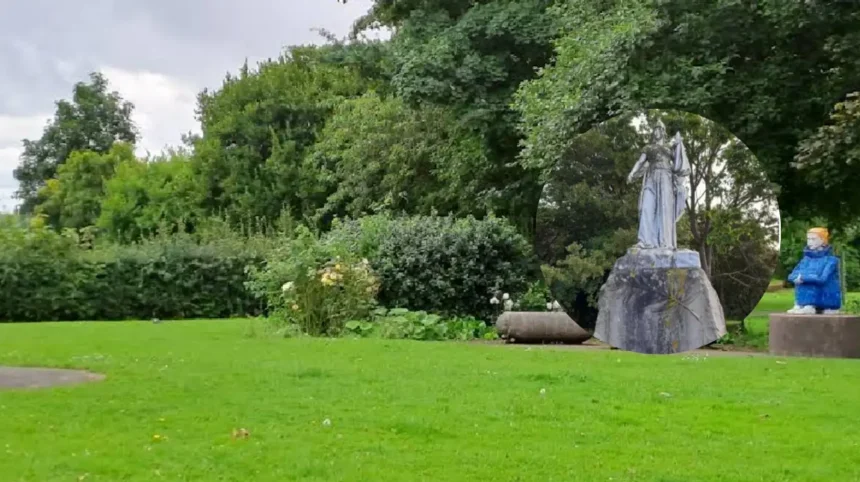
The memorial, which features a figure of Britannia, had developed visible signs of neglect. Its inscriptions had faded, while bird droppings, biological growth and general exposure to the weather had affected the appearance of the structure.
Why has the Wirral war memorial been restored?
The restoration was carried out after concerns were raised about the condition of the memorial in Central Park. The work was undertaken by Wirral Council’s Parks and Countryside Service, which described the clean-up as significant.
According to the Wirral Globe report, the monument was steam-cleaned before being treated with an algicide. The treatment is intended to help protect the memorial from future biological growth and the effects of weathering.
The work has improved the appearance of the memorial and made its inscriptions and stonework more visible. The monument’s restoration also forms part of a broader effort to ensure that historic features within Central Park are maintained.
Wirral Council lists the Boer War memorial among the facilities and heritage features at Central Park, which is the largest area of parkland in Wallasey. The park also includes a walled garden, sports facilities, woodland walks, fitness trails and community amenities.
The council’s official information states that Wallasey Central Park Partnership works with Wirral Council to help maintain and preserve the park for future generations.
What does the memorial commemorate?
The memorial commemorates local men who served in the South African War, also known as the Boer War, between 1899 and 1902. It specifically remembers Wallasey men who died during the conflict and recognises the service of other local men who took part.
The inscription on the monument states:
“Erected to the memory of the Wallasey men who lost their lives in the South African War, 1899-1902; and also in recognition of the services of local men during the campaign.”
The memorial was erected in 1902–1903. Its historical importance comes from its direct connection with Wallasey’s residents and the way it records local involvement in an overseas conflict.
The monument is not only a structure dedicated to those who died. Its inscription also acknowledges the wider group of local men who served during the campaign. That distinction gives the memorial a dual purpose: remembering those who made the ultimate sacrifice and recognising the service of others.
What condition was the monument in before the work?
Before the clean-up, the memorial showed signs of deterioration and neglect. The inscriptions had become faded, while bird droppings and weather-related damage affected the appearance of the structure.
The condition of the monument had raised concerns because listed historic structures require regular care to help protect their architectural and historical value. In this case, the work focused on cleaning the surface and reducing the effects of biological growth.
The steam-cleaning process removed accumulated dirt and staining from the memorial. The subsequent algicide treatment was intended to help prevent or limit further growth caused by algae and similar organisms.
The work did not represent the end of the conservation programme. The Parks and Countryside Service is developing a maintenance plan to help keep the monument in good condition throughout the year.
What further improvements are planned?
Further work is planned for the memorial and its surrounding features.
A new brass plaque displaying the names of the men who lost their lives during the South African War is expected to be installed. The plaque would provide a clearer and more durable way of presenting the names associated with the monument.
The railings around the memorial are also due to be repainted. Volunteers from the Central Park community group are expected to carry out that part of the work.
According to the Wirral Globe report, the planned improvements are expected to be completed before Remembrance Day in November.
The timing means the memorial should be in improved condition when residents and visitors mark Remembrance events later in the year. The planned maintenance arrangements are also intended to reduce the likelihood of the monument returning to its previous condition.
What did Wirral Council say about the restoration?
Councillor Max Booth, chair of Wirral Council’s Environment, Climate Emergency and Transport Committee, welcomed the work and described the memorial as an important part of Central Park’s heritage and the borough’s wider history.
As reported by the Wirral Globe, Booth said the memorial was erected in 1902–1903 to commemorate local men who served in the conflict, including those who died.
He said the monument remained a significant reminder of the service and sacrifice of local people. Booth also said Wirral Council was committed to ensuring the memorial was treated with the dignity and respect it deserved while being preserved for future generations.
The councillor added that the council would continue regular inspection, maintenance and conservation work throughout the year. He said the approach would help protect the memorial’s historical significance, extend its lifespan and reduce the need for more extensive and expensive restoration work in the future.
The council’s position places the clean-up within a continuing programme of care rather than presenting it as a one-off improvement. The proposed maintenance plan is expected to guide future inspections and conservation work.
How have local residents responded?
Adrian Jones, an honorary alderman and former mayor of Wirral, was among those who welcomed the restoration.
As reported by the Wirral Globe, Jones said he had been walking through Central Park with his wife, Christine, and their Springer Spaniel, Daisy, when he noticed that the memorial had been cleaned.
Jones said the monument now appeared to have returned to its former glory. His comments reflected the improved appearance noticed by people using the park.
The response also underlines the memorial’s position within the everyday landscape of Central Park. Although it is a historic monument, it is located in a public space used for walking, recreation and community activities.
The restoration has therefore been visible not only to people specifically interested in military history or heritage conservation but also to residents visiting the park.
Why is the Grade II listing important?
The memorial’s Grade II listing identifies it as a structure of special architectural or historic interest. Its listing reflects the importance of preserving the monument and its connection with Wallasey’s history.
The South African War Memorial is significant because it records the names and service of local men associated with the conflict. Its location in Central Park also links the monument to a long-established public space in the community.
Wirral Council’s Central Park information confirms that the park includes the Boer War memorial among its features of interest. The site is open 24 hours and is used for a range of recreational and community activities.
Maintaining the memorial in such a setting allows it to remain accessible to residents and visitors. The planned plaque and repainting work are intended to support both its presentation and continued preservation.
What is the background to the South African War Memorial?
The South African War Memorial in Central Park, Wallasey, was erected in 1902–1903. It commemorates Wallasey men who died during the South African War from 1899 to 1902 and recognises the local men who served during the campaign.
The structure includes a figure of Britannia and an inscribed stone base. Its wording explains the purpose of the memorial and establishes its connection with the people of Wallasey.
Central Park is an important public park in Wallasey. Wirral Council describes it as the largest area of parkland in the town and lists the memorial alongside facilities including a children’s play area, sports pitches, woodland walks, a walled garden and a café.
The council also states that Wallasey Central Park Partnership works with the authority to maintain and preserve the park for future generations. That partnership is relevant to the planned repainting of the memorial railings by community volunteers.
The latest work follows an earlier professional cleaning of the Boer War memorial recorded in the Wallasey Central Park management plan. The continued attention indicates that the monument requires periodic cleaning and maintenance because it is exposed to weather and biological growth.
How could the restoration affect Wallasey residents and visitors?
The restoration is expected to make the memorial clearer, cleaner and easier to view for people using Central Park. A new brass plaque showing the names of those who died could make the monument’s purpose more accessible to residents, families and visitors interested in Wallasey’s history.
For the local community, the work provides a visible improvement to an important heritage feature in a public park. The planned repainting by Central Park community volunteers may also strengthen local involvement in maintaining the site.
The council’s proposed maintenance plan could help prevent the monument from falling into disrepair again. Regular inspections and conservation work may reduce the need for larger restoration projects in the future, although the long-term condition will depend on how consistently the plan is implemented and how the memorial responds to weathering.
The completed improvements are expected before Remembrance Day in November, when attention traditionally turns to war memorials and acts of remembrance. The restoration should ensure that the Central Park monument is presented in better condition during that period, while retaining its original purpose as a record of local service and sacrifice.