

Key Points
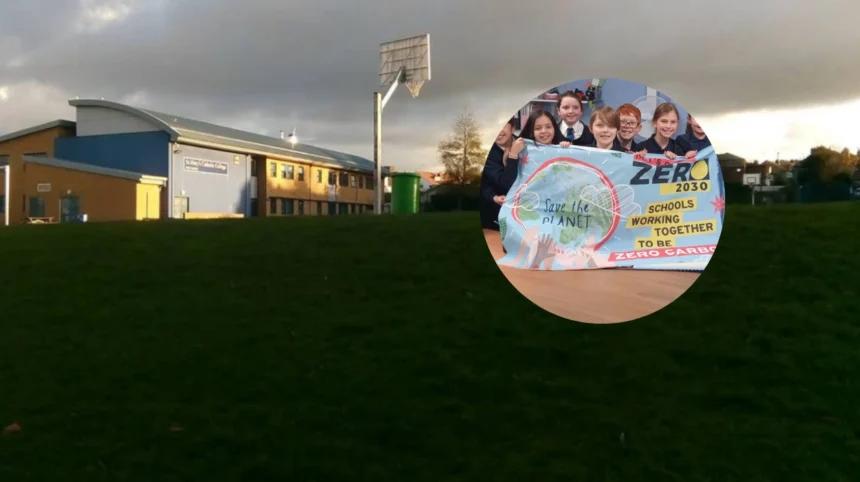
- St Mary’s Catholic College in Wallasey has completed a major renewable energy and efficiency programme aimed at cutting costs, lowering emissions and supporting sustainability.
- The school installed a new 279 kWp solar photovoltaic (PV) system expected to generate over 246,000 kWh of electricity each year.
- Based on current consumption, the solar array could deliver annual savings of more than £50,000.
- Around 900 light fittings across the site have been upgraded to energy-efficient LED lighting, reducing electricity use by an estimated 132,000 kWh per year.
- The LED lighting upgrade is predicted to generate additional savings of more than £27,000 annually.
- Together, the solar and lighting projects secured more than £334,000 in grant funding through Great British Energy and the Department for Education’s Net Zero Accelerator Programme.
- The investment is expected to significantly reduce the school’s energy consumption and carbon emissions while strengthening its long-term financial position.
- Savings from lower energy costs are intended to be reinvested directly into teaching, learning and student opportunities.
- Headteacher Mr Kevin Maddocks said the project is about creating a sustainable future for the school while continuing to invest in education and wellbeing.
- Holy Family Catholic Multi Academy Trust CEO Mr Andy Moor highlighted sustainability as a key priority and said the project turns that commitment into real change.
- St Mary’s Catholic College is a member of the Holy Family Catholic Multi Academy Trust.
Wallasey (Liverpool standard) July 09, 2026 – St Mary’s Catholic College in Wallasey has recently completed a significant programme of renewable energy and efficiency works designed to reduce energy costs, lower carbon emissions, and support the school’s journey towards a more sustainable future. As reported by the school’s own communications, the programme included the installation of a new 279 kWp solar photovoltaic (PV) system, expected to generate more than 246,000 kWh of electricity annually. Based on the school’s current electricity consumption, the system could deliver potential savings of more than £50,000 per year.
- Key Points
- How much money is the school saving and what does that mean for its budget?
- What technologies have been installed and how do they work together?
- Which organisations supported the project and what role did they play?
- How does this fit into the trust’s wider sustainability strategy?
- Background to the development
- How could this development affect schools, families and the local community?
Alongside the solar panels, approximately 900 light fittings across the school site have been upgraded to energy-efficient LED lighting. It is predicted to reduce electricity consumption by a further 132,000 kWh per annum, generating additional estimated savings of more than £27,000 each year. The lighting upgrade is funded through the wider DfE Net Zero Accelerator Programme.
Together, the projects secured more than £334,000 in grant funding through Great British Energy and the Department for Education’s net zero accelerator programme, according to the school’s announcement. The investment will significantly reduce the school’s energy consumption and carbon emissions while supporting the school’s long-term financial position.
The programme is designed to ensure that savings achieved through reduced energy costs can be reinvested directly into teaching and learning, supporting students, staff and educational outcomes. Mr Kevin Maddocks, headteacher of St Mary’s Catholic College, said:
“This investment is more than just reducing energy bills, it is about creating a more sustainable future for our school while ensuring we can continue to invest in the education and wellbeing of our students.”
He added: “We are grateful for the support provided through the Great British Energy Solar PV Partnership and the Department for Education’s Net Zero Accelerator Programme, which will allow savings generated through these projects to be reinvested directly back into teaching, learning and opportunities for our students.”
St Mary’s Catholic College is a member of the Holy Family Catholic Multi Academy Trust. CEO of the Trust, Mr Andy Moor, said:
“Sustainability is a key priority for our Trust, and this project shows how we are turning that commitment into real change. By investing in renewable energy and efficiency measures, we are reducing our carbon footprint and strengthening the long-term position of the school.”
How much money is the school saving and what does that mean for its budget?
The commerce and finance implications of the project are central to its strategic value. As reported by St Mary’s Catholic College, the solar PV system alone could deliver potential savings of more than £50,000 per year, while the LED lighting upgrade is expected to generate additional estimated savings of more than £27,000 each year. This brings the combined annual cost reduction to approximately £77,000, based on current consumption patterns.
These figures are significant for a school operating under tight public funding constraints. The programme’s total grant value of more than £334,000 means that the upfront investment was largely covered by external funding, reducing the need to divert resources from other areas of the school budget. With annual savings of around £77,000, the school could effectively recoup a substantial portion of the grant-supported investment within a few years, depending on energy price trends and usage levels.
The school has explicitly stated that the programme is designed to ensure that savings achieved through reduced energy costs can be reinvested directly into teaching and learning. This approach aligns with broader national and trust-level priorities around financial sustainability and educational outcomes.
What technologies have been installed and how do they work together?
The physical backbone of the upgrade consists of two linked technologies: a rooftop solar photovoltaic system and a large-scale LED lighting retrofit. As detailed by the school, the new 279 kWp solar PV system is expected to generate more than 246,000 kWh of electricity annually. This electricity can be used to power classrooms, offices, and common areas, reducing the amount of energy the school must purchase from the grid.
The lighting upgrade covers approximately 900 light fittings across the school site. These have been replaced with energy-efficient LED fixtures, which consume significantly less electricity than traditional lighting while maintaining or improving light quality. The school estimates that this upgrade will reduce electricity consumption by a further 132,000 kWh per annum.
Together, the solar generation and reduced demand from lighting create a compounding effect: the school generates more of its own electricity while simultaneously using less. This dual approach is a common strategy in school energy efficiency programmes, as it maximises the impact of both capital investment and operational change.
Which organisations supported the project and what role did they play?
The project was supported through a combination of national programmes and public bodies. As reported by St Mary’s Catholic College, the solar and lighting projects secured more than £334,000 in grant funding through Great British Energy and the Department for Education’s net zero accelerator programme.
Great British Energy, through its Solar PV Partnership, provided funding specifically aimed at supporting schools to install solar photovoltaic systems. The Department for Education’s Net Zero Accelerator Programme offered wider support for energy efficiency measures, including the LED lighting upgrade. These programmes are part of a broader government effort to help public sector institutions, including schools, reduce their carbon emissions and energy costs.
The involvement of both national bodies highlights the alignment of the project with wider policy goals on net zero and public sector energy efficiency. It also demonstrates how schools can leverage targeted grant schemes to fund significant infrastructure upgrades without placing excessive pressure on their own budgets.
How does this fit into the trust’s wider sustainability strategy?
St Mary’s Catholic College is a member of the Holy Family Catholic Multi Academy Trust. As reported by the trust, CEO Mr Andy Moor described sustainability as a key priority for the Trust and said that this project shows how they are turning that commitment into real change.
By investing in renewable energy and efficiency measures, the trust stated that it is reducing its carbon footprint and strengthening the long-term position of the school. This suggests that the Wallasey project is not an isolated initiative but part of a broader trust-level approach to sustainability across its schools.
Such a strategy can have multiple benefits, including lower operational costs, improved compliance with environmental standards, and enhanced reputation among parents, staff and local communities. It also positions the trust as active in addressing climate change, which is increasingly important in the context of national and local policy expectations.
Background to the development
This project builds on ongoing national efforts to support schools in reducing energy costs and carbon emissions. The Department for Education’s Net Zero Accelerator Programme and Great British Energy’s Solar PV Partnership are both designed to provide targeted funding for renewable energy and efficiency measures in the education sector.
St Mary’s Catholic College’s decision to pursue a combined solar and lighting upgrade reflects a growing trend among schools to use available grant funding to deliver comprehensive energy improvements. The scale of the investment, with more than £334,000 in grant support, indicates that the school identified significant potential for both cost savings and emissions reductions.
The involvement of the Holy Family Catholic Multi Academy Trust also points to a coordinated approach across multiple schools, rather than a purely site-specific initiative. This can help spread expertise, standardise technology choices and create longer-term strategic benefits for the trust as an organisation.
How could this development affect schools, families and the local community?
For schools, the St Mary’s project demonstrates a practical model for using grant funding to deliver measurable energy savings. Other学校 within the trust and across the region may look to replicate similar combinations of solar PV and LED lighting upgrades, particularly where electricity costs are high and usage patterns are consistent.
For families and the local community in Wallasey, the project reinforces the school’s commitment to sustainability and long-term financial stability. Reinvesting energy savings into teaching and learning could indirectly benefit students through improved resources, staffing or facilities. It also positions the school as a local example of how public institutions can contribute to net zero goals.
On a broader level, such developments can influence local expectations around environmental performance in public buildings. If more schools adopt similar measures, the cumulative effect could contribute to regional reductions in carbon emissions and energy demand, while also demonstrating how public sector organisations can work with national programmes to achieve tangible outcomes.