
Key Points
- A large grass fire broke out at Harrison Park in Wallasey Village, Wirral, on Monday night, 13 July 2026.
- Two fire engines from Merseyside Fire & Rescue Service attended the scene.
- The fire was extinguished by 7.51 pm using hoses and beaters; crews then dampened down hotspots with two main jet hoses.
- Firefighters left the scene at 8.40 pm after completing safety checks.
- There is currently no information on the cause of the fire, and no investigation has been logged, according to Merseyside Fire & Rescue Service.
- The incident caused visible damage to a section of the hill, with charred grass and burnt vegetation.
- Local residents and park users are expected to be concerned about safety, future prevention, and potential restrictions on access.
- The event underscores risks of grass fires in dry summer conditions and the importance of public awareness in open spaces.
Wallasey (Liverpool standard) July 14, 2026 – A significant grass fire tore through part of Harrison Park on Monday night, prompting a rapid response from two fire engines and leaving a charred hillside as evidence of the blaze. Merseyside Fire & Rescue Service crews extinguished the fire by 7.51 pm, dampened down remaining hotspots, and left the scene at 8.40 pm, with no cause known and no investigation recorded at this stage.
- Key Points
- What Exactly Happened at Harrison Park?
- How Did Firefighters Respond to the Incident?
- What Do the Images Show About the Damage?
- Is There Any Information About the Cause?
- What Are the Immediate Impacts on Park Users and Residents?
- How Does This Fit With Wider Fire Safety Concerns in Wirral?
- What Could Happen Next in Terms of Investigation and Management?
- Background: Harrison Park and Local Fire Risk Context
- Prediction: How This Development Could affect Wirral Residents and Park Users
What Exactly Happened at Harrison Park?
According to an official statement from Merseyside Fire & Rescue Service, firefighters were called to an incident at Harrison Park in Wallasey Village on Monday night (13 July 2026). Two fire engines attended the scene, responding to reports of a “huge grass fire” burning across a section of the park’s hill.
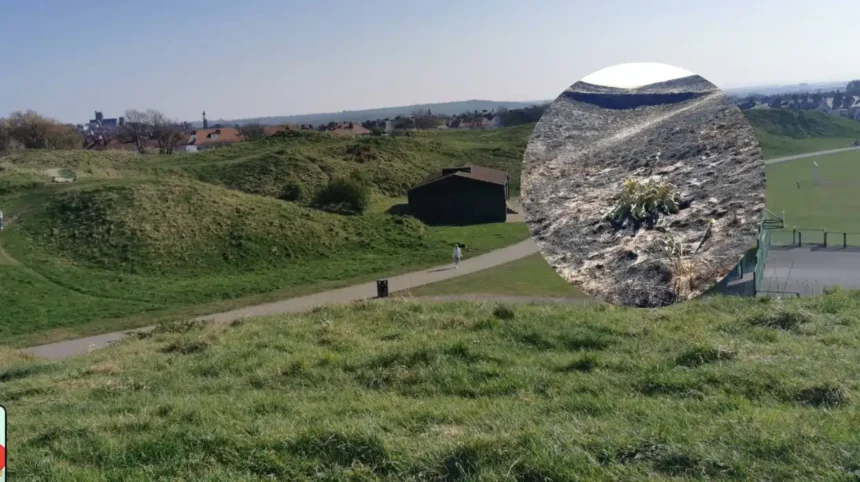
As reported by the Liverpool Standard, a spokesperson for Merseyside Fire & Rescue Service said: “Crews extinguished the fire by 7.51pm using hoses and beaters, then dampened down remaining hotspots with two main jet hoses before leaving the scene at 8.40pm.” The same source noted that the fire had caused visible damage, with pictures showing an area of the charred hill at Harrison Park following the blaze.
The service also confirmed that there is currently no information on their log about the cause of the fire or an investigation. This leaves the question of whether the fire was accidental, caused by human activity, or triggered by environmental factors such as dry grass and heat.
How Did Firefighters Respond to the Incident?
The response from Merseyside Fire & Rescue Service was swift and coordinated. Two fire engines were dispatched to Harrison Park, indicating the seriousness of the incident and the potential risk to surrounding areas. Fire crews arrived on site and immediately began tackling the grass fire, using a combination of hoses and manual beaters to control the flames.
As reported in local coverage, the fire was fully extinguished by 7.51 pm. After knocking down the main blaze, crews carried out a dampening-down operation, using two main jet hoses to ensure that no hidden hotspots could reignite. This step is critical in grass fire incidents, where smoldering vegetation can continue burning beneath the surface and spark again later.
Once the area was deemed safe, firefighters left the scene at 8.40 pm. The total operation lasted less than an hour from extinguishment to departure, suggesting that the fire was contained effectively before it could spread further across the park or into nearby properties.
What Do the Images Show About the Damage?
Photographs released in connection with the incident show an area of the hill at Harrison Park that has been heavily affected by the fire. The grass appears blackened and scorched, with patches of vegetation completely burnt away. In some sections, the soil is visible where the grass layer has been destroyed, highlighting the intensity of the blaze.
The images underline the potential speed and impact of grass fires in open parkland. Even a relatively small fire can quickly spread across dry grass, especially if wind conditions are favourable. The charred hill in the photos serves as a visual reminder of how quickly summer vegetation can turn into fuel for a fire.
Local media have described the fire as a “huge grass fire” based on the scale of the damage visible in the photographs. While the exact size of the burnt area has not been officially quantified, the visual evidence suggests that a significant portion of the hill was affected.
Is There Any Information About the Cause?
At this stage, there is no confirmed information about the cause of the fire. As reported by Merseyside Fire & Rescue Service, their logs do not contain any details about how the fire started, and no formal investigation has been recorded. This means that the origin remains unknown, and the public cannot be told whether it was accidental, deliberate, or linked to environmental conditions.
Possible causes for grass fires in parkland include:
- Discarded cigarettes or other smoking materials
- Unattended fires or barbecues
- Equipment misuse, such as lawnmowers or power tools generating heat
- arson or deliberate ignition
- Natural factors, such as extremely dry grass combined with high temperatures and wind
Until an investigation is launched or further information is released, any explanation remains speculative. Local authorities and fire services may decide to open an inquiry if new evidence emerges or if the incident is deemed part of a wider pattern.
What Are the Immediate Impacts on Park Users and Residents?
The fire has already affected the way people use and perceive Harrison Park. Park users who visited the area after the incident have seen the charred hill and may be concerned about safety, particularly if they bring children or pets. The damaged section of the hill could be temporarily restricted to prevent furtherRisk of injury from unstable ground or hot spots.
Local residents in Wallasey Village may also be worried about the possibility of similar incidents occurring again, especially if the weather remains hot and dry. Grass fires can spread quickly and pose a risk not only to open spaces but also to nearby homes if they reach the edge of the park.
The incident is likely to prompt discussions among community groups and local councillors about:
- Increased signage about fire risks and no-smoking or no-burning rules
- Better maintenance of grass areas to reduce fire fuel
- More frequent patrols or monitoring during high-risk periods
- Public education campaigns on responsible behaviour in parks
How Does This Fit With Wider Fire Safety Concerns in Wirral?
Grass fires in parkland are not isolated to Wirral; they occur across the UK during summer months when vegetation is dry and temperatures are high. Fire services regularly warn the public about the dangers of leaving fires unattended, disposing of cigarettes properly, and avoiding the use of portable barbecues in open spaces.
This incident at Harrison Park aligns with broader concerns about summer fire risk in urban and semi-urban green spaces. Parks with large grassed areas, hills, and wooded sections can become particularly vulnerable if conditions are dry and winds are strong.
Merseyside Fire & Rescue Service has previously issued guidance on preventing grass fires, emphasising that even small acts, such as throwing away a lit cigarette, can lead to large-scale damage. The lack of information on the cause of this particular fire means that the public cannot yet be advised on specific behaviours that may have contributed, but general fire safety messaging remains relevant.
What Could Happen Next in Terms of Investigation and Management?
Although no investigation is currently logged, it is possible that local authorities or fire services may decide to review the incident if further information comes forward. This could include witness reports, CCTV footage from nearby areas, or patterns of similar incidents in the region.
In the meantime, park management may:
- Inspect the damaged area to assess stability and safety
- Consider temporary closures or signage to warn users
- Review grass maintenance schedules to reduce fire risk
- Coordinate with community groups to raise awareness
If the fire is found to be deliberate, legal action could be taken against those responsible. If it is accidental, the focus may shift to prevention and education rather than enforcement.
Background: Harrison Park and Local Fire Risk Context
Harrison Park is a well-used public space in Wallasey Village, Wirral, known for its grassed areas, hills, and recreational facilities. The park serves residents from Wallasey and surrounding areas, providing a key location for walking, play, and outdoor activities. Its open grassland and hill structure make it attractive for visitors but also potentially vulnerable to grass fires during dry summer conditions.
Wirral, like many parts of northwest England, experiences periods of hot, dry weather in summer, which can increase the risk of grass and vegetation fires. Fire services in the region have historically warned about the dangers of unattended fires, smoking in open spaces, and the use of portable barbecues in parks. This incident at Harrison Park adds to the local record of summer fire events and highlights the need for continued vigilance and public awareness.
Prediction: How This Development Could affect Wirral Residents and Park Users
This grass fire at Harrison Park is likely to affect Wirral residents and park users in several ways. In the short term, people may feel less confident visiting the affected section of the park, especially parents with children or those who use the hill for exercise. Temporary restrictions or increased signage could limit access to certain areas until the ground is deemed safe.
In the longer term, the incident may lead to:
- Greater public awareness of fire risks in parks, with more people avoiding smoking, open flames, or barbecues in green spaces.
- Possible changes in park management, such as earlier or more frequent grass cutting, installation of fire-resistant signage, and targeted patrols during high-risk periods.
- Increased pressure on local councillors and authorities to invest in fire prevention measures and community education.
For residents, the fire underscores the importance of behaving responsibly in open spaces and following local fire safety guidance. For park users, it may mean adapting routines, such as choosing alternative routes or avoiding certain areas until repairs or safety checks are completed. Overall, the incident is likely to prompt a more cautious approach to using parkland during hot, dry weather and could lead to lasting changes in how Harrison Park and similar spaces are managed to reduce fire risk.