
The global electronic dance music framework relies heavily on synergies between established club promotions and touring record producers. The Liverpool Chris Stussy event represents a primary manifestation of this industrial synthesis by combining an influential regional promotion with international talent. Circus Liverpool is an entertainment brand founded in 2002 by the British producer and disc jockey Yousef Zaher to cultivate house music experiences. Chris Stussy is a prominent Dutch electronic artist who established the independent record label Up The Stuss in 2020 to distribute minimal house recordings. This collaborative performance establishes a critical benchmark for modern electronic music events within the United Kingdom night economy.
- How did the historical alignment between Circus Liverpool and Chris Stussy develop within underground culture?
- What mechanical and architectural features define the Blackstone Street Warehouse as a premier music venue?
- What specific audio characteristics and production processes govern Chris Stussy’s live sets?
- How do ticketing systems and consumer validation processes operate for large electronic events?
- What regional economic and infrastructural impacts are generated by major warehouse music events?
- FAQs About Circus Liverpool Chris Stussy
- What is the typical dress code and atmosphere at Blackstone Street Warehouse for Circus events?
- How quickly do tickets for Circus presents Chris Stussy in Liverpool sell out?
- What is the best transport option to reach Blackstone Street Warehouse from Liverpool city center?
- Can I trust TicketSwap to buy resale tickets for sold-out Circus Liverpool events?
- What specific music style can attendees expect from a Chris Stussy live performance?
How did the historical alignment between Circus Liverpool and Chris Stussy develop within underground culture?
The collaboration between Circus Liverpool and Chris Stussy merges a historic United Kingdom house music promotion with contemporary Dutch minimal production techniques to create a highly optimized live performance framework that attracts thousands of electronic music enthusiasts across the globe.
Circus Liverpool began its operational life in September 2002 at the traditional theater venue known as the Masque to provide high-quality curation. Under the guidance of founder Yousef Zaher, the brand organized club events across three separate rooms to display specific sonic variations, which included traditional house, techno, and deep tech music. The organization expanded its corporate presence by hosting distinct festival stages at major European gatherings, specifically Creamfields in the United Kingdom and Parklife in Manchester. This historical expansion solidified the promotional network of Circus Liverpool as an authoritative institution capable of launching international performance portfolios. The brand systematically elevated emerging artists by offering consistent exposure to local demographics within the Merseyside regional boundary.
Chris Stussy entered the electronic production landscape over a decade ago by studying the sonic foundations of legacy house movements from three distinct urban centers, which include Chicago, New York, and Utrecht. His artistic maturation culminated in the 2020 launch of Up The Stuss, an independent music label that serves as a core distribution vector for specialized underground outputs. Stussy utilizes specific sonic elements consisting of deep basslines, jazzy chord progressions, and precise drum machine arrangements to engage large audience sectors. His continuous touring program includes high-profile appearances at two global event destinations, namely the Coachella Valley Music and Arts Festival in California and the Pacha nightclub in Ibiza. This international profiling aligns seamlessly with the large-scale event production parameters maintained by the Circus leadership team.
The alignment of these two entities forms a specialized cultural ecosystem that shifts consumer preferences toward minimal tech house music structures. This performance model bypasses commercial electronic tropes by prioritizing authentic club dynamics that attract dedicated music collectors and audio purists. The strategic incorporation of secondary artists, specifically the British selectors Reeshy and Paige Tomlinson, ensures that local underground talent receives direct visibility alongside global headlines. This promotional practice reinforces the structural stability of the regional nightlife market by linking domestic clubgoers to international industry trends. Consequently, the ongoing relationship between the promotion and the artist functions as a sustainable standard for modern club event curation.
What mechanical and architectural features define the Blackstone Street Warehouse as a premier music venue?
The Blackstone Street Warehouse operating venue relies on a large-scale industrial architecture that utilizes specialized sound reinforcements, extensive crowd control systems, and specific safety protocols to manage over ten thousand electronic music venue attendees during a single operational production calendar.
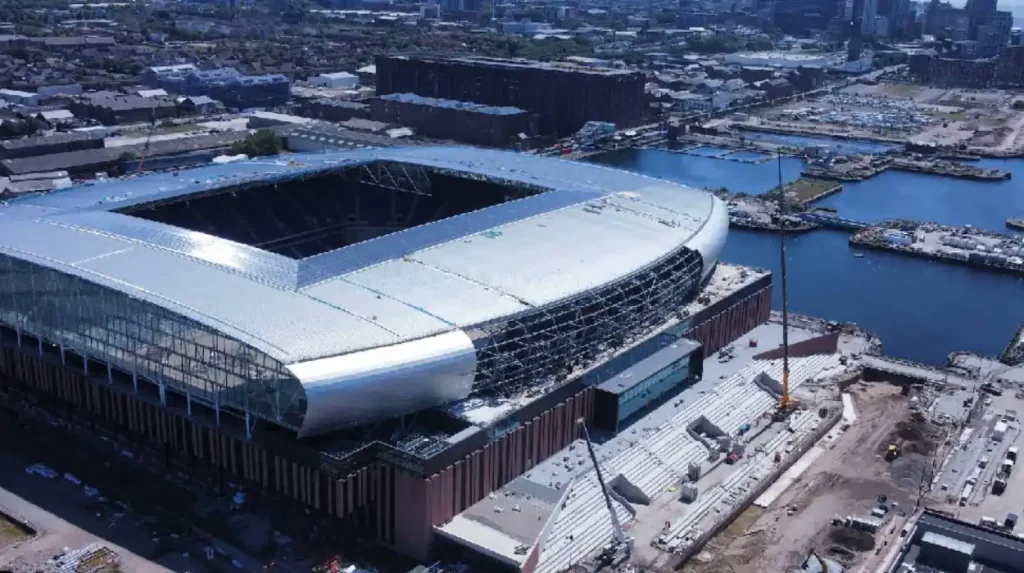
Blackstone Street Warehouse is an industrial events facility located at Blackstone Street, Liverpool, L5 9TL, within the northern docklands regeneration quadrant. The venue features a physical floor space capable of accommodating a maximum safe capacity of 10000 individual ticket holders per event. The structural layout consists of a long, single-tier warehouse building fabricated from brick, concrete, and exposed steel frameworks that maximize interior acoustic resonance. This industrial architecture serves as an ideal canvas for large-scale electronic music operations by providing wide sightlines and massive open floors. The facility represents a crucial asset for Liverpool municipal event planners seeking to attract high-yield entertainment tourism into the regional economy.
The sonic delivery within the warehouse depends on high-performance sound systems that manage acoustic waves within reflective industrial spaces. Engineers deploy specific loudspeaker configurations, including the L-Acoustics K2 line array and dual SB28 subwoofers, to achieve balanced pressure levels across the entire floor. These audio setups operate within a frequency response spectrum ranging from 20 Hertz to 20000 Hertz to accurately reproduce minimal house basslines. The audio layout is complemented by three distinct visual technologies, which include high-definition light-emitting diode panels, automated moving-head lasers, and synchronized strobe arrays. These technological components are managed via centralized digital multiplex networks to synchronize visual stimuli with the precise tempo of the musical performance.
The mechanical integration of sound and light alters the psychological perception of the event space, transforming an empty industrial shell into an immersive environment. The concrete floor provides structural stabilization for thousands of dancing participants, minimizing structural vibrations across the venue foundation. Large overhead gantry systems allow production crews to suspend heavy equipment safely above the audience, preventing floor-level obstructions. This industrial layout optimizes the movement of sound waves by minimizing dead zones where audio frequencies cancel each other out. The successful execution of these technical processes allows the venue to compete directly with other prominent European industrial music spaces, including the Warehouse Project in Manchester and Printworks in London.
What specific audio characteristics and production processes govern Chris Stussy’s live sets?
Electronic music events featuring Chris Stussy display distinct structural sonic elements comprised of deep bass frequencies, intricate synthesizer loops, and mid-tempo rhythms that systematically engage global audience demographics while preserving the underground identity of traditional house music performance spaces worldwide.
The musical output generated during a Chris Stussy performance adheres to the principles of minimal house engineering, a subgenre that emphasizes sparse instrumentation and repetitive rhythmic loops. Stussy constructs electronic arrangements using specialized hardware units, which include the Roland TR-909 drum machine and the Moog Sub 37 synthesizer. The rhythmic foundation maintains a steady tempo ranging between 126 beats per minute and 129 beats per minute to sustain constant physical kinetic movement among club participants. This sonic architecture is characterized by its clarity, wherein each frequency band occupies a dedicated space within the stereo field without causing acoustic distortion. The resulting auditory landscape remains highly engaging for both casual listeners and expert music analysts within the electronic community.
Live DJ sets require real-world execution of real-time audio manipulation techniques to transition smoothly between different musical works. Stussy employs professional media players, specifically Pioneer DJ CDJ-3000 units, alongside high-fidelity rotary mixers to manipulate sound parameters during his performances. The mixing process incorporates three critical equalization controls, which comprise low-frequency attenuation, mid-range isolation, and high-frequency enhancement. This technical control allows the artist to blend independent musical tracks seamlessly, maintaining a continuous narrative over extended multi-hour performance durations. Stussy frequently introduces unreleased prototype tracks from his label roster, exposing the audience to novel musical structures before commercial marketplace distribution.
The systematic application of these performance mechanisms yields deep aesthetic implications for the evolution of contemporary house music culture. By exposing large warehouse crowds to underground musical compositions, the artist challenges the dominant mainstream radio formats that frequently simplify electronic arrangements. This educational approach to disc jockeying encourages event attendees to research historical music origins, strengthening the cultural legacy of house music traditions. The widespread dissemination of these performances via digital platforms also expands the global footprint of the Liverpool underground house scene. Ultimately, these advanced production methodologies ensure that the live event maintains a high level of artistic integrity and technological sophistication.
How do ticketing systems and consumer validation processes operate for large electronic events?
Ticketing logistics for this large venue operate through centralized digital allocations that verify individual purchase identities, employ strict maximum purchasing constraints, and use regulated secondary resale platforms to guarantee event security while preventing fraudulent ticket sales in the electronic marketplace.
Primary ticketing operations for major electronic music gatherings rely on secure digital distribution platforms to manage primary inventory allocations. The circus Liverpool Chris Stussy event utilizes authorized electronic commerce systems, specifically Resident Advisor and Skiddle, to process initial ticket sales transactions. These platforms implement advanced algorithmic waiting queues to distribute available tickets fairly among large volumes of concurrent user sessions. Each purchased ticket generates an unalterable quick response code containing encrypted user identification metadata to prevent mass copying or unauthorized replication. This digital infrastructure ensures transparency within the primary market, allowing event promoters to monitor sales velocity and optimize marketing strategies in real time.
The presence of ticket scarcity necessitates the integration of verified secondary marketplace channels to accommodate consumer ticket exchanges safely. TicketSwap serves as the primary secondary exchange platform by employing automated verification algorithms that invalidate original barcodes and issue brand-new digital tickets to incoming buyers. This verification mechanism eliminates traditional ticket resale hazards, which include inflated prices, duplicate ticket distribution, and financial payment fraud. The platform enforces a strict price ceiling set at twenty percent above the original face value to eliminate predatory scalping practices within the consumer ecosystem. This regulatory framework protects consumers from economic exploitation while ensuring that event access remains available to genuine fans of electronic music culture.
The standardization of these advanced ticketing mechanisms produces widespread institutional implications for the broader entertainment management industry. Digital verification systems lower the operational overhead costs associated with physical gate administration and box office personnel requirements. Security personnel use specialized optical scanning hardware at venue entrances to validate hundreds of digital tickets per minute, reducing queue times outside the physical warehouse building. This automated process minimizes crowd congestion on public access pathways, enhancing overall civic safety and lowering local municipal enforcement burdens. Consequently, the adoption of secure data protocols within ticketing ecosystems establishes a modern operational standard for high-capacity metropolitan events worldwide.
What regional economic and infrastructural impacts are generated by major warehouse music events?
The economic ramifications of electronic music gatherings in the Merseyside territory manifest through increased hospitality sector demand, enhanced transportation industry revenues, and direct financial contributions to local municipal growth that support long-term infrastructural developments for the wider night culture industries.
Large-scale electronic entertainment events generate measurable economic multipliers across the broader Merseyside regional economy through localized hospitality spending. High-capacity gatherings draw thousands of non-local music tourists who require overnight accommodation across three distinct lodging categories, including boutique hotels, short-term holiday rentals, and regional guest houses. These visitors increase the daily transaction volume for local food and beverage operators located within the Liverpool Baltic Triangle and city center districts. Statistical data from national hospitality associations indicates that event-driven weekend tourism significantly increases average revenue per available room metrics for regional hotel assets. This financial influx sustains employment opportunities within the local service sector, reinforcing the economic resilience of the municipality.
The logistical execution of major warehouse events requires coordination with public transport networks to facilitate the orderly transit of thousands of attendees. Transport authorities provision additional capacity across three transit modes, specifically Merseyrail train networks, local municipal bus lines, and licensed private hire vehicle fleets. This transit management minimizes vehicular congestion within the industrial northern docklands zone while ensuring safe dispersion patterns post-event. Venues must also comply with strict environmental control procedures, which include localized waste management programs, acoustic insulation testing, and direct community liaison protocols. These regulatory requirements ensure that large-scale commercial activities do not degrade the residential living standards of surrounding urban communities.
The long-term implications of sustaining a vibrant electronic music sector extend into urban regeneration policy and cultural branding initiatives. By repurposing vacant industrial assets like the Blackstone Street Warehouse, the city of Liverpool demonstrates how creative industries can drive post-industrial urban renewal. This strategic framework attracts further commercial investments into surrounding real estate markets, accelerating the development of creative business hubs. The global visibility generated by major electronic music events reinforces Liverpool’s status as a UNESCO City of Music, driving sustained international tourism interest. Ultimately, the integration of music culture into municipal economic strategies proves that nighttime activities are essential components of modern urban prosperity.
FAQs About Circus Liverpool Chris Stussy
What is the typical dress code and atmosphere at Blackstone Street Warehouse for Circus events?
The venue maintains a casual and industrial atmosphere where comfort is prioritized due to the massive warehouse footprint. Attendees typically wear streetwear, trainers, and relaxed clothing suitable for extended periods of dancing on concrete floors. The overall vibe is highly energetic yet welcoming, focusing entirely on the underground house music experience rather than upscale club dress rules.
How quickly do tickets for Circus presents Chris Stussy in Liverpool sell out?
Tickets for high-profile artists like Chris Stussy at Circus generally sell out within minutes of the general public release due to massive demand across the United Kingdom. It is highly recommended to sign up for pre-sale alerts on Resident Advisor or Skiddle to secure entry before the general allocation drops. If you miss the initial sale, automated waiting lists and verified secondary platforms are your best options.
What is the best transport option to reach Blackstone Street Warehouse from Liverpool city center?
The most efficient way to reach the venue is by booking a licensed private hire taxi or rideshare service, which takes approximately ten minutes from Liverpool Central station. Alternatively, you can utilize local municipal bus routes that service the northern docklands regeneration quadrant where the warehouse is located. After the event concludes, walking in groups toward designated pickup zones is recommended for optimal safety.
Can I trust TicketSwap to buy resale tickets for sold-out Circus Liverpool events?
Yes, TicketSwap is reliable because it utilizes secure ticketing partnerships to invalidate the seller’s original barcode and issue a brand-new digital ticket to the buyer. This secure swap mechanism completely eliminates the risk of duplicate entry or financial payment scams on the secondary market. The platform also enforces a strict price cap to protect consumers from predatory ticket scalping practices.
What specific music style can attendees expect from a Chris Stussy live performance?
Attendees can expect a precise blend of minimal tech house, deep house, and classic underground arrangements characterized by heavy basslines and jazzy chord progressions. His live sets maintain a steady tempo ranging between 126 and 129 beats per minute, creating a continuous rhythmic flow tailored for warehouse acoustics. He also heavily features unreleased promos from his independent record label, Up The Stuss.