

Key Points
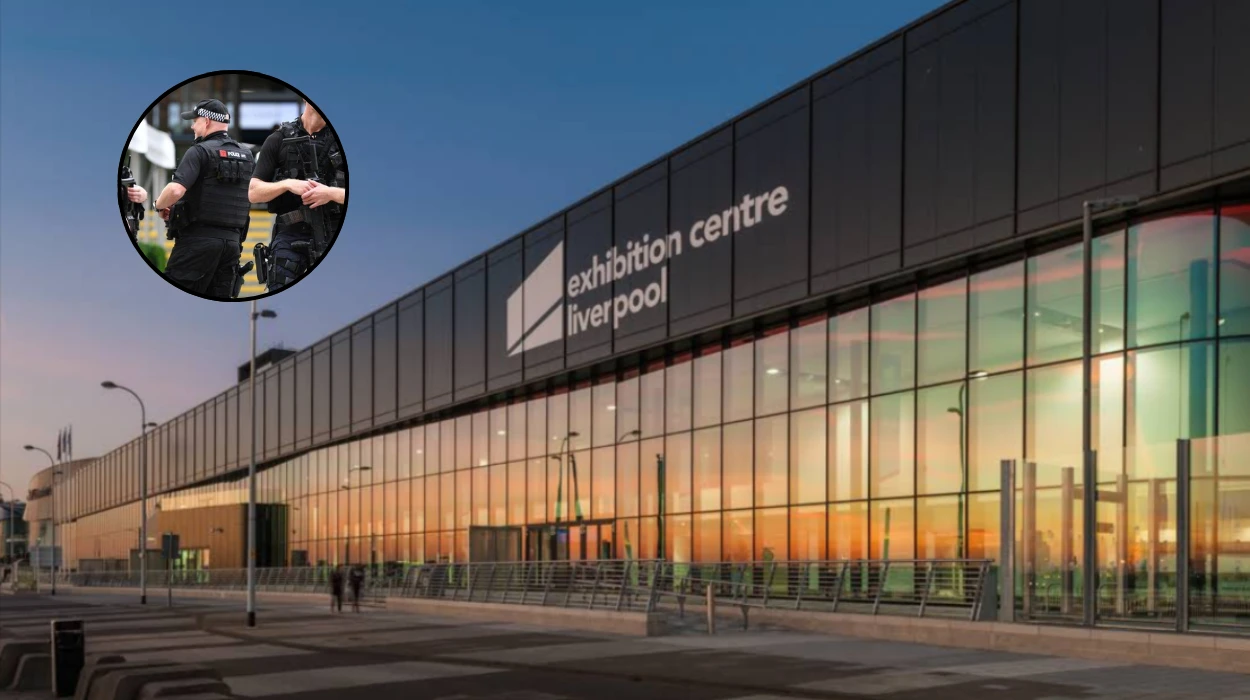
- Venues in Merseyside, including Exhibition Centre Liverpool and ACC Liverpool, collaborate with Merseyside Police and Counter Terrorism Security Advisors on enhanced security protocols.
- Project Servator, a national counter-terrorism tactic, deploys high-visibility policing in the area to deter terrorism and criminal activity through public vigilance.
- Measures include walkthrough metal detectors, bag searches, detection dogs, and trained security staff at major venues.
- Terrorism (Protection of Premises) Act 2025, known as Martyn’s Law, mandates risk assessments and protective procedures for venues based on capacity tiers.
- Counter Terrorism Policing initiatives, launching in 2026, provide access to vetted security specialists and new qualifications to boost preparedness.
Merseyside (Liverpool Standard) February 4, 2026 – Authorities and venues across Merseyside implement stricter security measures amid an ongoing terrorism threat, featuring collaboration with Merseyside Police on Project Servator deployments.
Walkthrough metal detectors operate at all events, alongside bag searches limited to laptop-sized items and detection dogs patrolling venues. These steps aim to ensure visitor safety while maintaining event enjoyment.
What security enhancements are venues adopting?
Exhibition Centre Liverpool and ACC Liverpool work closely with Merseyside Police and Counter Terrorism Security Advisors to monitor and update procedures. Highly trained security teams and on-site police officers support these efforts, with visitors urged to minimise possessions and report suspicious behaviour.
As reported by Exhibition Centre Liverpool, they proudly support Merseyside Police’s Project Servator, a high-visibility tactic relying on cooperation from businesses and the public to combat terrorism.
Why is Project Servator expanding in Merseyside?
Project Servator rolls out operational deployments to address a range of criminality, including terrorism, through increased vigilance and reporting. ACC Liverpool emphasises constant review of safety protocols behind the scenes to prioritise event security.
How does Martyn’s Law influence these changes?
The Terrorism (Protection of Premises) Act 2025 requires premises with 200 or more people to adopt simple risk reduction procedures, while larger sites over 800 capacity face enhanced duties like documented security plans and staff designations. Venues must mitigate attack impacts through monitoring, access control, and information security.
What national initiatives support local efforts?
Counter Terrorism Policing launches a national register of security specialists in spring 2026 and a Level 3 qualification for workplace professionals in March 2026, enhancing protective measures across the UK. These respond to Manchester Arena Inquiry recommendations amid a substantial terrorism threat level.
Organisations gain structured access to vetted expertise, raising standards for premises protection in line with Home Office funding.