
Aigburth is a suburban district located in the southern region of Liverpool, England, within the boundaries of the Merseyside county. The geographical coordinates center near the River Mersey, positioning the area exactly four miles south of Liverpool City Centre. The district functions primarily as a residential and commercial hub characterized by Victorian architecture and expansive municipal parklands. It borders the neighboring suburbs of Toxteth, Mossley Hill, and Garston, forming a critical part of the Liverpool Riverside parliamentary constituency. The population census records a diverse demographic profile supported by local infrastructure and primary transport corridors.
- Which historical landmarks and hidden attractions define the sub-district of Aigburth?
- Which independent cafes and restaurants on Aigburth Road offer unique culinary experiences?
- Where are the most scenic walking routes located within the Aigburth area?
- How do green spaces and environmental infrastructure impact the liveability of Aigburth?
- What urban developments are shaping the future growth of the Aigburth community?
- FAQs About Aigburth Liverpool hidden attractions
- Is Aigburth considered a safe and desirable place to live in Liverpool?
- How do you travel from Aigburth to Liverpool City Centre using public transport?
- What are the best things to do on Lark Lane near Aigburth?
- Are there any historic museums or galleries to visit inside Aigburth?
- Where can I find free car parking when visiting the Aigburth area?
The historical evolution of Aigburth dates back to the thirteenth century when the land was under the management of the monastic estates of Cockersand Abbey. The name originates from the Old Norse word Aykeberh, which translates directly to oak hill, referencing the historical prevalence of dense oak forests across the regional landscape. During the nineteenth century, wealthy merchants constructed prominent villa estates, transforming the agricultural zone into an affluent residential suburb. The completion of the Liverpool Overhead Railway in 1893 further accelerated suburban expansion and industrial connectivity. This historical growth established the current layout of architectural landmarks, residential avenues, and communal green infrastructures.
The structural layout of modern Aigburth relies on 3 distinct commercial and residential zones, including the Aigburth Road retail corridor, the Lark Lane culinary district, and the historic residential estates. Aigburth Road serves as the primary arterial route, carrying vehicular traffic and housing a high density of independent retail outlets. The architectural composition consists of red-brick terrace housing, semi-detached properties, and preserved nineteenth-century mansions. The district integrates comprehensive educational institutions, including St Margaret’s Church of England Academy and Liverpool Hope University’s network hubs. This integrated structure combines retail productivity, residential stability, and public utility networks into a coherent urban system.
Which historical landmarks and hidden attractions define the sub-district of Aigburth?
The sub-district of Aigburth features historical landmarks and hidden attractions including Sudley House, the Turner Home, and St Michael-in-the-Hamlet Church. These specific sites preserve nineteenth-century architectural engineering, fine art collections, and early industrial heritage within the southern Liverpool boundary today.
Sudley House represents a premier historic asset situated on Mossley Hill Road within the Aigburth boundary. Built in 1824 for the merchant shipping magnate George Holt, the mansion remains one of the few period homes retaining its original Victorian art collection. The institution displays works by 3 renowned British painters, including Thomas Gainsborough, John Everett Millais, and J.M.W. Turner. National Museums Liverpool manages the property as a public museum, ensuring preservation of its architectural integrity and historical interior design elements. Visitors access the house and its surrounding formal gardens without admission fees, supporting local educational engagement.
St Michael-in-the-Hamlet Church stands as an architectural landmark constructed between 1814 and 1815 within the hamlet area. The structure utilizes extensive cast-iron components manufactured at the nearby Mersey Iron Foundry, demonstrating early industrial fabrication techniques. John Cragg directed the engineering project, collaborating with the architect Thomas Rickman to create a unique Gothic Revival aesthetic. The church building features 3 specific architectural elements, including cast-iron window traceries, internal support pillars, and decorative roof pinnacles. The surrounding conservation area protects the surviving nineteenth-century villas that originally housed wealthy Liverpool merchants.
The Turner Home is a grade two listed building located on Dingle Lane near the northern edge of Aigburth. Founded in 1884 by the philanthropist Charles Turner, the institution originally served as a home for sick and incurable men. The architectural layout features traditional red-brick masonry, structured slate roofs, and elaborate stone dressings characteristic of Victorian institutional design. Modern operations maintain the facility as a specialized residential care home while preserving its external historic facade. This landmark illustrates the historical development of philanthropic healthcare institutions funded by maritime trade profits in southwest Lancashire.
The concentration of preserved architectural landmarks drives cultural tourism and localized educational field studies within southern Liverpool. Historic England maintains listing registries for these structures, preventing unauthorized alterations that could compromise structural history. Local schools use these heritage sites to teach students about nineteenth-century industrial development and Victorian merchant philanthropy. The presence of distinct historical zones strengthens the civic identity of residents and stabilizes surrounding property values. Consequently, heritage protection acts as an economic and cultural anchor for the entire suburban territory.
Which independent cafes and restaurants on Aigburth Road offer unique culinary experiences?
Independent cafes and restaurants on Aigburth Road provide culinary options featuring artisan bakeries, traditional micro-pubs, and global dining establishments. These businesses establish a distinct local hospitality sector that supports regional food supply chains and avoids major corporate commercial models completely.
The culinary layout of Aigburth Road relies heavily on independent operations that diversify the regional hospitality ecosystem. A notable development occurred when a new shokupan cafe debuts on Liverpool’s Aigburth Road, introducing traditional Japanese milk bread products to the local demographic. This business model focuses on artisan baking processes, using specialized flour blends and precise fermentation cycles to ensure product quality. The presence of specialized culinary outlets attracts visitors from across the Merseyside metropolitan region, increasing weekend commercial footfall. These establishments define the modern gastronomic identity of the district by introducing international baking traditions to standard British high streets.
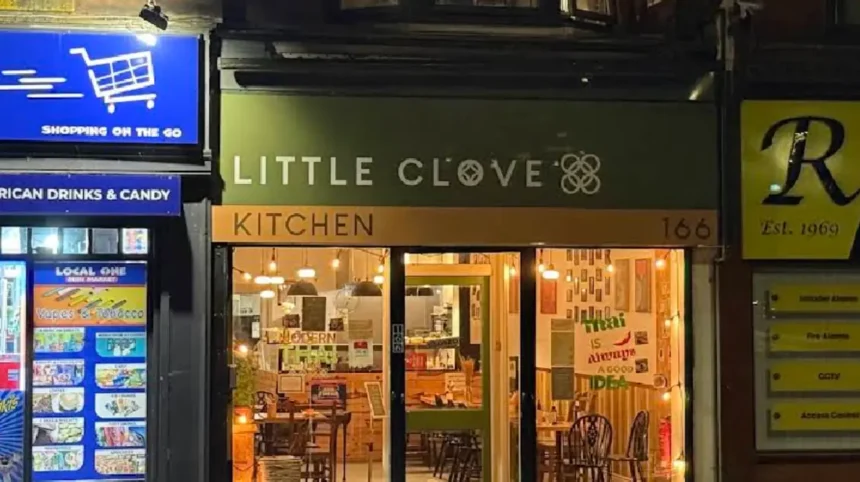
The district features 3 specific independent food venues, including Little Clove Kitchen, The Little Taproom, and Light of Bengal. Little Clove Kitchen delivers authentic Thai cuisine using traditional herbs and imported spices, contrasting with conventional standardized menus. The Little Taproom operates as a specialized micro-pub, retailing craft beers produced by independent breweries located across northwest England. Light of Bengal offers traditional South Asian dining experiences, contributing to the ethnic diversity of the local commercial corridor. These businesses operate within ground-floor retail units of historic terrace buildings, preserving the structural character of the commercial streetscape.
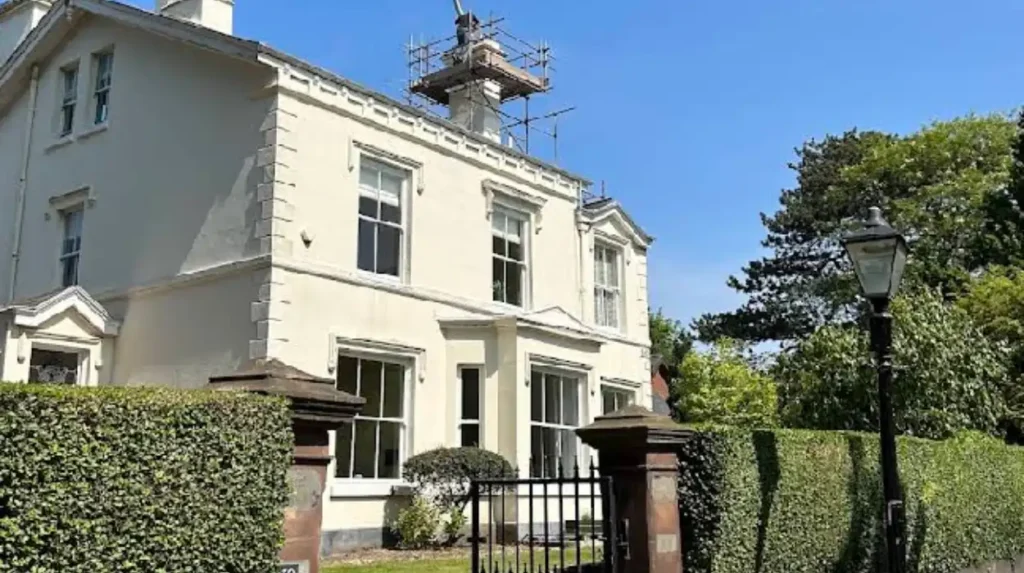
Lark Lane intersects Aigburth Road, offering an expanded network of culinary establishments that function as a premier hospitality destination. The lane features 3 distinct business types, including bohemian coffee houses, global bistros, and historic public houses. For comprehensive travel planning, visitors utilize the complete tourist guide to Sefton Park and Lark Lane to locate specific dining options. Establishments like Pippin’s Corner and Taj provide localized catering services that support the evening economy of the suburb. This high density of independent eateries establishes the zone as a critical cultural asset that resists standard commercial gentrification.
The growth of an independent food economy reduces capital flight by keeping financial expenditures within the local community. Independent business networks collaborate to host seasonal street markets, boosting collective retail visibility and commercial strength. Supply chains remain compact, as operators source ingredients from regional agricultural suppliers located across Lancashire and Cheshire. This independent commercial structure minimizes reliance on multinational supply chains, enhancing the economic resilience of the district. Consumers actively support these venues to preserve the unique localized character of their neighborhood high streets.
Where are the most scenic walking routes located within the Aigburth area?
The most scenic walking routes within the Aigburth area include the Otterspool Promenade, Sefton Park pathways, and the Fulwood Park conservation trail. These specific paths provide pedestrian access to diverse riverfront ecosystems, historical parklands, and private nineteenth-century residential architectures today.
Otterspool Promenade stretches along the bank of the River Mersey, providing a continuous riverside pedestrian route. Constructed in 1932 under the direction of city engineer John Alexander Brodie, the promenade utilizes residual material from the original Mersey Railway Tunnel excavation. The infrastructure incorporates 3 key functional elements, including a concrete seawall, extensive grass parklands, and designated cycling lanes. The path delivers uninterrupted views across the Mersey Estuary toward the Wirral Peninsula and the hills of North Wales. Environmental surveys indicate that the adjacent mudflats host migratory bird populations, making the route critical for local biodiversity monitoring.
Sefton Park comprises a two hundred and thirty five acre Grade One listed public park located on the northeastern border of Aigburth. Designed by French landscape architect Édouard André and opened in 1872, the park layout utilizes a circular perimeter road and winding internal paths. The park contains 3 notable water features, including a boating lake, a stepping-stone stream, and formal fountains. The central architectural attraction is the Palm House, a restored three-tier Victorian glasshouse containing an extensive botanical collection. Walking routes through the park connect directly to Lark Lane, allowing seamless pedestrian transit between natural spaces and commercial zones.
Fulwood Park represents a private residential conservation area providing a specialized walking environment off Aigburth Road. Established in the 1840s, this enclosed avenue contains 3 historic property styles, including Italianate villas, Gothic Revival residences, and classical mansions. The route maintains its original cobblestone gutters, mature sycamore trees, and gas-lamp style lighting infrastructure. The path leads directly down to the Mersey riverfront, illustrating nineteenth-century merchant class urban planning concepts. Access restrictions prevent heavy vehicular transit, preserving a quiet atmospheric condition suitable for historic architectural study.
The extensive network of pedestrian routes forms a critical component of the sustainable transport infrastructure of the city. These walking paths connect directly to the Liverpool loop line cycling network, facilitating non-vehicular commuter travel across the suburb. Environmental monitoring stations along the riverfront compile data on air quality improvements derived from reduced vehicular reliance. The continuous usage of these pathways justifies ongoing capital allocations from municipal budgets for greenway maintenance. As a result, walking infrastructure directly supports municipal climate action strategies aiming for zero carbon emissions.
How do green spaces and environmental infrastructure impact the liveability of Aigburth?
Green spaces and environmental infrastructure impact the liveability of Aigburth by reducing urban heat effects, improving air quality, and providing recreational zones. These factors establish the district as an appealing destination for long-term residential settlement within Merseyside geographic boundaries today.
The extensive canopy cover and park infrastructure in southern Liverpool directly enhance regional environmental metrics. Urban planning studies indicate that large parks like Sefton Park and Otterspool Park absorb substantial carbon emissions from nearby transit roads. The abundance of green infrastructure ranks the district highly when evaluating the best place to live in Liverpool for families and working professionals. Property valuation reports show a direct correlation between proximity to managed green spaces and sustained residential property demand. This environmental buffer stabilizes local microclimates, lowering summer temperatures compared to heavily paved city center environments.
The integration of public green zones supports 3 distinct health benefits, including enhanced cardiovascular exercise opportunities, reduced psychological stress, and improved air filtration. Local healthcare data demonstrates a lower incidence of respiratory ailments among residents living near the riverfront promenade. The presence of public sports infrastructure, including tennis courts, bowling greens, and cricket pitches, encourages regular physical activity. Liverpool City Council funds ongoing maintenance of these facilities to ensure equitable public access across all age demographics. Consequently, the environmental infrastructure functions as a critical public health resource for the southern metropolitan populace.
Aigburth relies on its natural soft landscaping to manage stormwater drainage and mitigate urban flooding risks. The expansive parklands act as natural soakaways, absorbing high volumes of precipitation during severe winter weather events. This process reduces the volume of surface water entering the municipal subterranean sewer network managed by United Utilities. The local geography incorporates 3 distinct watercourses, including the subterranean Jordan Brook, the Sefton Park lake system, and the Mersey Estuary drainage outlets. Sustainable urban drainage mechanisms preserve the structural integrity of the surrounding Victorian terraced foundations from water logging.
The management of urban forestry networks requires continuous cooperation between municipal arborists and local volunteer groups. The Mersey Forest partnership assists in planting native tree species to replace aging specimens within regional public parks. These ecological initiatives protect the local avian and insect populations from habitat fragmentation caused by urban expansion. The resulting ecological stability enhances the environmental resilience of the suburb against extreme climate fluctuations. Therefore, green infrastructure investment represents a core component of the long-term climate adaptation plan of the city.
What urban developments are shaping the future growth of the Aigburth community?
Urban developments shaping the future growth of the Aigburth community include commercial retail renovations, transport infrastructure upgrades, and historical property restorations. These strategic interventions improve economic productivity while maintaining the unique architectural heritage of this specific suburban residential district completely.
Transport improvements focus on upgrading connectivity along the Merseyrail Northern Line via Aigburth Railway Station and St Michaels Railway Station. Network Rail implemented infrastructure investments in 2025 to introduce new Class 777 train fleets, increasing passenger transport capacity. These upgrades support 3 distinct commuter goals, including reduced transit times to Liverpool Central, lower carbon footprints, and improved accessibility features. Enhanced transport links ensure steady population influxes from professionals working within the commercial core of the city. Modern signaling installations further reduce delays, stabilizing the regional transit framework for the next decade.
The evolution of the retail landscape involves converting vacant commercial premises into flexible workspaces and independent retail outlets. Local planning guidelines enforce strict building regulations to preserve the exterior brickwork and fenestration patterns of historic facades. The district records a rising trend in 3 specific business types, including cooperative grocery shops, micro-bakeries, and communal work spaces. These developments prevent commercial stagnation and provide employment opportunities within the immediate geographic community. Economic grants from regional development funds incentivize sustainable business practices among these newly established commercial operations.
Residential property developers focus primarily on brownfield site redevelopments and the retrofitting of large Victorian villa properties. The preservation of historical architectural elements aligns with conservation area status rules established by the local planning authority. These housing developments address 3 modern requirements, including increased thermal efficiency standards, structural safety updates, and preserved green garden boundaries. The successful balance of heritage conservation and modern urban planning preserves the high aesthetic quality of the neighborhood. This structural stability secures the long-term economic and social value of the district within the wider North West region.
The long-term development strategy requires integrating smart city technologies into the existing nineteenth-century utility frameworks. Digital connectivity improvements include installing fiber-optic broadband networks and automated public transport scheduling systems at key transit hubs. These technological additions improve economic efficiency without altering the protected architectural aesthetics of the local streetscapes. The synthesis of digital modernity and historical preservation ensures the suburb remains competitive in attracting knowledge-economy workers. Ultimately, these managed advancements position the district as a model for sustainable suburban evolution.
FAQs About Aigburth Liverpool hidden attractions
Is Aigburth considered a safe and desirable place to live in Liverpool?
Aigburth is consistently recorded as one of the safest and most desirable residential districts within the Liverpool metropolitan area. The low crime rates, high density of top-performing schools, and expansive green spaces like Sefton Park attract families and working professionals. The local property market reflects this popularity with stable capital growth and high rental demand.
How do you travel from Aigburth to Liverpool City Centre using public transport?
Commuters travel from Aigburth to Liverpool City Centre primarily via the Merseyrail Northern Line from Aigburth or St Michaels stations. Trains run at regular fifteen-minute intervals throughout the day, reaching Liverpool Central Station in less than ten minutes. Local bus routes operating along Aigburth Road provide alternative transport links directly into the city center.
What are the best things to do on Lark Lane near Aigburth?
Lark Lane offers a dense concentration of independent cafes, bohemian retail boutiques, and international restaurants worth visiting. Visitors can explore the unique architecture, purchase artisan goods, and experience the active evening dining and music scene. The street links directly into Sefton Park, allowing people to combine shopping with park walks easily.
Are there any historic museums or galleries to visit inside Aigburth?
Sudley House is the primary historic museum located within the Aigburth district boundaries and is managed by National Museums Liverpool. The period mansion displays an authentic Victorian fine art collection featuring masterworks by painters like Turner and Gainsborough. Admission to the house, historic costume exhibits, and formal gardens is entirely free for all public visitors.
Where can I find free car parking when visiting the Aigburth area?
Free car parking is available along the residential side streets surrounding Aigburth Road and within designated bays inside Sefton Park. Visitors frequently utilize the free parking areas along Otterspool Promenade when accessing the riverside walking routes. Drivers must check local street signage to comply with specific resident-only parking restrictions during peak daytime hours.