
Key Points
- A Wavertree-based history teacher, Lydia Jane Alice, has launched a community bid to save the Grade II-listed Abbey Cinema, famous for its Beatles connection.
- The cinema, originally opened in 1939, was listed five years ago after campaigns by Love Wavertree and heritage groups, blocking Lidl’s plans to replace it with a store.
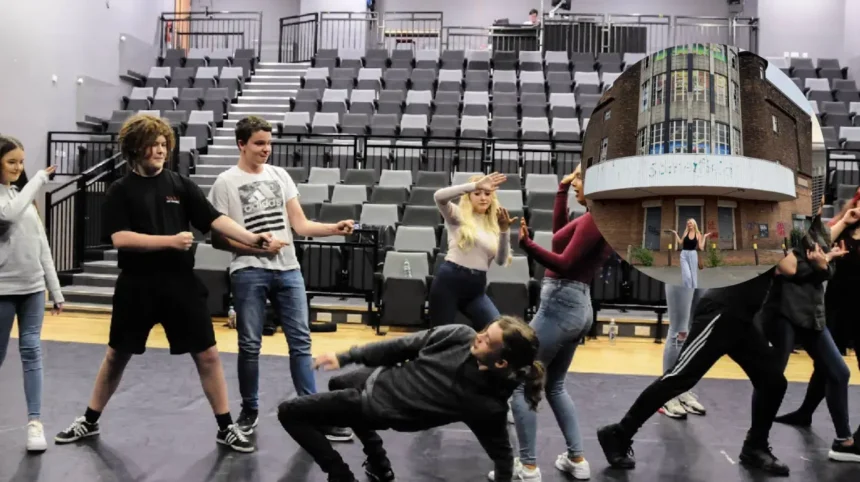
- Since listing, the building has remained empty and is described by locals as an “eyesore,” despite retaining its original Art Deco façade.
- Lydia’s “Save the Abbey” campaign has already attracted support from residents, electricians, architects, surveyors and other professionals.
- She proposes using the site as a community hub, possibly with independent businesses, a food hall and youth entertainment space, rather than strictly as a cinema.
- The listed status is seen as both a protection and a barrier, introducing “red tape” that may deter potential developers.
- Local councillor Laurence Sidorczuk had previously hinted at campaigning for de-listing, which Lydia says inadvertently pushed her to act.
- Lydia highlights the loss of other historic Liverpool cinemas such as the Futurist on Lime Street and derelict ABC sites as a warning.
- The campaign aims to bring people together in a post-social-media-ban spirit of community, creating a “cool hangout place” for young people.
- Lydia acknowledges the risk of failure but argues that “if I fail then it’s no different than if I didn’t try so I may as well give it a go”.
Wavertree (Liverpool standard) July 07, 2026 – A Wavertree history teacher has launched a community bid to save the landmark Abbey Cinema, where Beatles members George Harrison and John Lennon attended films as teenagers, amid fears the building could be lost to decay despite its protected status.
- Key Points
- Why Does the Abbey Cinema Matter to Wavertree and Liverpool?
- How Strong Is the Community Response So Far?
- What Vision Does Lydia Have for the Future of the Building?
- What Are the Challenges Linked to the Listed Status?
- How Does This Fit Into Liverpool’s Wider Loss of Historic Cinemas?
- What Motivation Does Lydia Say She Has for Taking Action?
- What Has Been the Building’s Recent History and Current Condition?
- Background: The Abbey Cinema’s Development and Listed Protection
- Prediction: How This Development Could Affect Wavertree Residents and Young People
As reported by the Liverpool Standard, Lydia Jane Alice, a 30-year-old history teacher who lives in Wavertree, said she felt compelled to act after waking one Friday morning with thoughts of the cinema and noticing a leaflet from local councillor Laurence Sidorczuk suggesting a campaign to de-list the building.
She explains: “One Friday morning I just woke up and I was thinking about the cinema, I don’t know why, and I felt like I needed to do something about it. I made a Save the Abbey account and an email, and I messaged my brother who’s got a drone and asked him to film for me. Then I went downstairs and a leaflet had been posted by our local councillor Laurence Sidorczuk saying we need to do something about the Abbey, we’re going to try and campaign to get it de-listed, so that felt like a sign”.
Why Does the Abbey Cinema Matter to Wavertree and Liverpool?
The Abbey Cinema originally opened in 1939 and features in the original lyrics of The Beatles’ 1966 song In My Life, making it a culturally significant site linked to the band’s early years in Liverpool.
Five years ago, after efforts by local residents group Love Wavertree and heritage campaigners, the former cinema was given Grade II listed status, which blocked owners Lidl’s proposal to knock down the building to create a new store on the site. Since then, the Abbey has remained empty and its future uncertain, according to local reporting.
How Strong Is the Community Response So Far?
Lydia says she has started a “Save the Abbey” campaign and, within days, has received a “huge response” from local residents who want to see the building brought to life again.
She adds that many people have messaged to say they would love to help, including “electricians, architects, surveyors,” describing a wide range of knowledge and skills available if the community can pull together for a rescue mission.
What Vision Does Lydia Have for the Future of the Building?
Lydia does not insist that the Abbey must return strictly as a cinema; instead, she imagines it as a “hub for young people and a local entertainment space,” possibly with independent businesses and a food hall.
She explains: “I feel like there is a yearning for community again. With the social media ban, it would be lovely to have it as a hub for young people and a local entertainment space. It doesn’t have to be a cinema, just a cool hangout place, maybe with independent businesses and a food hall”.
What Are the Challenges Linked to the Listed Status?
Lydia accepts there are pros and cons with the Grade II listed status, which has prevented demolition but also means “a lot of red tape” that could make potential developers nervous.
She notes:
“Obviously it’s been great because it’s prevented the Abbey from being demolished but it also means with any future plans there’s going to be a lot of red tape which could have made potential interested parties feel nervous. We own a grade II listed house so I know it can be a blessing but also difficult when you’re trying to make progress”.
How Does This Fit Into Liverpool’s Wider Loss of Historic Cinemas?
Lydia points to the loss of other once-beautiful historic cinemas in Liverpool, including the Futurist on Lime Street, one on Park Road and the ABC on Lime Street, which are now derelict or destroyed.
She says:
“We’ve seen the Futurist on Lime Street lost, and one on Park Road and the ABC on Lime Street sitting derelict. I see lots of posts on social media about Liverpool now and then and people are always saying how devastated they are when buildings are destroyed, but I’m here and I’m going to try and do something to stop it”.
What Motivation Does Lydia Say She Has for Taking Action?
Lydia acknowledges that some may think she is being naïve, but stresses she is not trying to save the Abbey single-handedly and is instead calling for community discussion and action.
She states:
“I know some people might think I’m being naïve, but I’m not trying to do this on my own. I can’t be the superwoman who saves it single-handedly, but we do need to talk about it because at the moment nobody’s doing anything. If I fail then it’s no different than if I didn’t try so I may as well give it a go”.
What Has Been the Building’s Recent History and Current Condition?
Lydia moved to Wavertree with her husband in January 2020 and recalls going inside the building when it was a Co-op, saying she was “fascinated with it even then”.
She says: “I moved to Wavertree with my husband in January 2020 and I remember going inside when it was a Co-op, and I was fascinated with it even then. Nothing has happened in those six years, it’s a bit of an eyesore now, but you can still see the original Art Deco façade”.
Background: The Abbey Cinema’s Development and Listed Protection
The Abbey Cinema dates back to 1939 and became culturally notable because Beatles members George Harrison and John Lennon attended films there as teenagers; it is mentioned in the original lyrics of In My Life from 1966.
In the 2020s, owners Lidl proposed demolishing the building to construct a new store, but local residents group Love Wavertree and heritage campaigners successfully pushed for Grade II listed status, which was granted five years ago and blocked those plans. Since listing, the building has stood empty, with no confirmed redevelopment, while some local political figures, including councillor Laurence Sidorczuk, have suggested exploring de-listing as a way to enable future use.
Prediction: How This Development Could Affect Wavertree Residents and Young People
If the “Save the Abbey” campaign succeeds in bringing together local skills and interest, Wavertree could gain a new community hub that offers entertainment, independent retail and food options, potentially reducing the sense that historic buildings are being lost across Liverpool.
For young people, the site could become a physical “cool hangout place” in an era where social media use is restricted, giving them a local space to meet, socialise and engage with cultural history, while also creating opportunities for local tradespeople and small businesses. However, if the listed status continues to create significant red tape and no viable community or commercial model emerges, the Abbey may remain an empty eyesore, reinforcing local frustration over the loss of historic cinemas and weakening community confidence in protecting other threatened buildings.