

Key Points
- Increase in reports of bird deaths in Walton Hall Park, north Liverpool.
- Liverpool City Council releases an “important update” on the increase in cases and guidelines for the public.
- Public guidelines from the council will likely involve avoiding contact with ill or dead birds and reporting them officially.
- Other local cases of bird illness and botulism in the region have occurred previously in parks in Merseyside.
- Dogs control guidelines and Public Space Protection Orders (PSPOs) are vital in protecting public health in Liverpool parks.
- Wildlife volunteers and animal welfare organizations in the area will likely cooperate with the council in monitoring the issue.
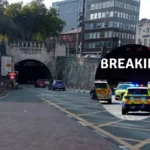
Walton (Liverpool standard) August 12, 2026 – An “important update” has been issued by Liverpool City Council after a noticeable rise in bird deaths at Walton Hall Park, prompting renewed warnings to the public about how to behave around sick and dead wildlife while investigations continue into the cause of the incidents.
- Key Points
- What has Liverpool City Council announced about bird deaths at Walton Hall Park?
- How do previous bird‑death incidents in Merseyside inform the response?
- What kind of advice are councils and experts likely to give to park visitors?
- How do existing dog‑control rules and PSPOs relate to the situation in parks?
- How have animal welfare groups and local residents reacted in similar cases?
- How does the Walton Hall Park situation fit into wider patterns of bird disease and mortality?
- Background: history of wildlife incidents at Walton Hall Park and across Merseyside
- Prediction: how could the Walton Hall Park bird deaths affect local residents, park users and pet owners?
What has Liverpool City Council announced about bird deaths at Walton Hall Park?
In its coverage of the issue, the Liverpool Echo reports that Liverpool City Council confirmed on Tuesday, 11 August, that there had been an increase in the number of dead birds found in and around the lake at Walton Hall Park, describing the situation in its official communication as an “important update” for residents and park users.
Although the full wording of the statement is paywalled, the Echo’s summary makes clear that the council acknowledged the growing number of incidents and used the update to set out guidance for people visiting the park, particularly around contact with affected wildlife and reporting procedures.
Reporting on previous bird‑death clusters in Merseyside, BBC News has described how avian botulism and avian influenza have both been identified as causes of mortality in wild birds in local parks and beauty spots, with councils typically issuing similar notices that urge residents not to touch carcasses and to alert authorities through dedicated channels.
On that pattern, the latest update from Liverpool City Council at Walton Hall Park fits into a wider regional approach where local authorities quickly communicate risks to the public and set out clear steps people should take if they come across dead or distressed birds.
How do previous bird‑death incidents in Merseyside inform the response?
As previously reported by BBC News, more than 130 birds died from avian botulism across parks in Merseyside, Greater Manchester and Staffordshire in 2014, including cases at Newsham Park, Stanley Park and Walton Hall Park in Liverpool.
In that earlier episode, the RSPCA explained that avian botulism stems from a toxin produced by the bacterium Clostridium botulinum in warm, shallow or stagnant water, and advised the public that while the disease can be devastating for birds, it is not considered a risk to humans who simply pass nearby.
In another case highlighted by the Liverpool Echo in November 2025, Halton Borough Council confirmed that a “highly pathogenic” strain of avian influenza was responsible for a spate of swan deaths at Spike Island in Widnes, and again the council told the public not to touch sick or dead birds and to report sightings via email or the local authority website.
Taken together, these earlier incidents show that when unexplained bird deaths are reported in popular public spaces, councils on Merseyside tend to work with agencies such as the RSPCA and follow a consistent pattern of advising caution, discouraging direct contact and encouraging structured reporting.
What kind of advice are councils and experts likely to give to park visitors?
Based on previous public health and animal welfare guidance from local authorities in the region, including Halton Borough Council’s advice after confirmed avian influenza deaths and Liverpool Council’s historic handling of avian botulism, visitors are typically told not to handle dead birds and to avoid feeding or closely approaching visibly sick wildlife.
Councils usually stress that any carcasses should be left in place to be collected by authorised contractors, and that members of the public should contact the council or, where appropriate, the Department for Environment, Food & Rural Affairs (Defra) helpline or the RSPCA rather than intervening themselves.
In earlier Liverpool Echo reporting about dead birds at local parks, Liverpool Council has also explained why carcasses are sometimes left temporarily in the water or on islands, stating that access constraints may delay removal and that only licensed professionals can safely collect the bodies to minimise any disease or contamination risks.
Where avian influenza is suspected, councils have additionally emphasised that the risk to the general public from casual contact in open areas is considered low, but they still warn against handling birds and recommend good hand hygiene for anyone who has been in the vicinity of affected areas.
How do existing dog‑control rules and PSPOs relate to the situation in parks?
Liverpool City Council already enforces Public Space Protection Orders across much of the city to regulate dog fouling, dog access to certain areas and behaviour that may affect public health and amenity, and BBC News has reported that an £80 fixed penalty can be issued if owners flout restrictions on playgrounds and playing fields.
The most recent extension of dog‑related PSPOs in November 2025 was justified by “strong public backing”, and the orders cover more than 70 playgrounds and sports pitches, as well as rules about dogs being kept on leads in cemeteries and specific green spaces.
While the current reports from Walton Hall Park focus on bird deaths rather than dog behaviour, the framework of PSPOs provides a mechanism for the council to respond quickly if it decides that keeping dogs on leads or temporarily rerouting walking paths is necessary to reduce contact between pets, people and potentially infected carcasses.
Even without new orders, general advice following avian disease or botulism outbreaks often includes keeping dogs away from water’s edge, discouraging them from scavenging, and ensuring they do not come into contact with dead birds that might pose a health risk to animals.
How have animal welfare groups and local residents reacted in similar cases?
In previous incidents where birds have been found dead or mutilated in Merseyside, local campaigners have expressed concern about both animal welfare and the way carcasses are handled in public spaces.
For example, the Liverpool Echo has reported animal rescue workers describing “disgust” after headless birds were spotted at sites including Walton Hall Park, with one campaigner telling the paper she believed some cases looked like deliberate human acts rather than disease, and urging people to contact the police and RSPCA if they witnessed suspicious behaviour.
When dead swans were left in a lake at a Liverpool park in a separate case, the council issued an explanation through the Liverpool Echo, saying that specialist contractors had been instructed and that delays were linked to access and licensing requirements, a response intended to reassure residents who were worried about both public health and respect for wildlife.
Those earlier reactions suggest that any new cluster of bird deaths at Walton Hall Park is likely to draw close attention from local residents, social media groups and animal charities, who may call for rapid removal of carcasses, thorough investigation of possible causes and clear, timely communication from the council.
How does the Walton Hall Park situation fit into wider patterns of bird disease and mortality?
BBC News has documented that avian botulism tends to occur in warm weather when bacteria thrive in shallow or stagnant water, and it has previously caused deaths of ducks, swans and other waterfowl across several Merseyside parks, including Walton Hall Park itself.
Avian influenza, by contrast, is a viral disease that has been detected in a variety of wild birds and has led to restrictions and culling in different parts of the UK, with councils like Halton Borough Council confirming “highly pathogenic” strains at sites such as Spike Island.
Both conditions can cause sudden, visible rises in dead or distressed birds in a relatively short period, which is why councils take reports seriously and often move quickly to issue updates, even before laboratory test results are available, so that the public has basic safety information.
At the same time, animal welfare officers and expert bodies such as the RSPCA have reminded people that not all bird deaths are linked to infectious disease, with some clusters caused by pollution, low oxygen levels in water, or deliberate human cruelty, factors that require very different responses from authorities.
Background: history of wildlife incidents at Walton Hall Park and across Merseyside
Walton Hall Park is a long‑established public park in north Liverpool that includes large areas of open water, making it an important urban habitat for swans, ducks, geese and other waterfowl, as well as a popular walking and recreation space for local residents.
The park has featured in several previous news stories about animal deaths, including the 2014 avian botulism episode reported by BBC News and later Liverpool Echo coverage of mutilated birds that animal welfare campaigners believed were victims of deliberate attacks.
Across Merseyside more broadly, councils and wildlife groups have had to manage repeated incidents involving wild birds and fish, from botulism events to suspected pollution episodes and confirmed avian influenza outbreaks that have affected both public perception of safety and the practical management of parks and waterways.
These experiences have contributed to a set of established practices in which local authorities collaborate with agencies such as the RSPCA, communicate regularly with the public via local media and official websites, and adjust park management or enforcement when specific risks are identified.
Prediction: how could the Walton Hall Park bird deaths affect local residents, park users and pet owners?
For local residents and regular park users, the reported increase in bird deaths at Walton Hall Park is likely to generate short‑term concern about both animal welfare and general environmental quality, particularly if carcasses remain visible in or around the lake while investigations are under way.
If Liverpool City Council follows patterns seen in earlier Merseyside incidents, it may introduce or reinforce practical measures such as clearer signage, targeted patrols and public reminders about not feeding or handling birds, which could slightly change how people interact with wildlife in the park but are unlikely to close the site entirely.
Dog owners who use Walton Hall Park and nearby green spaces may experience tighter expectations around keeping pets under control near the water’s edge, particularly if the council links the bird‑death update to its existing PSPO framework and emphasises that preventing dogs from scavenging or coming into contact with dead birds is part of responsible ownership.
Over the medium term, once test results or expert assessments clarify the cause of the deaths, the council’s handling of the episode could influence public confidence in how wildlife incidents are managed in Liverpool’s parks, either reinforcing trust if communication is transparent and prompt, or generating criticism if residents feel information or action has been slow.