

Key Points
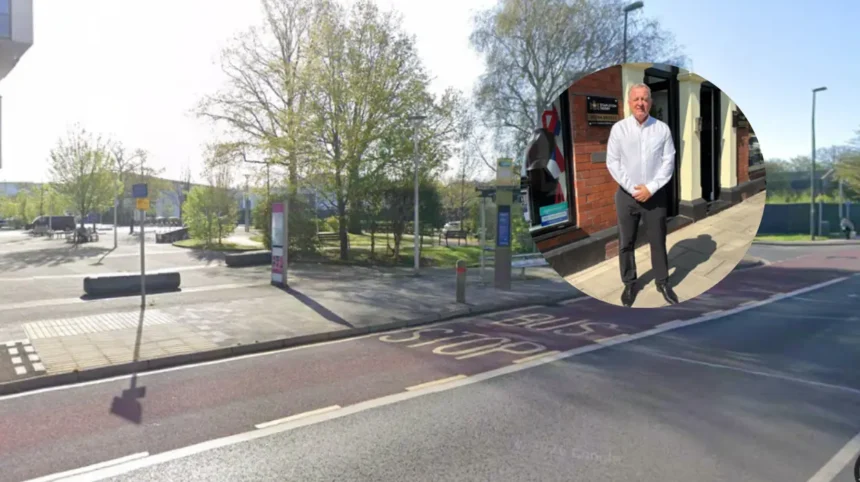
- Mike Denning, a St Helens-born business leader and founder of Stapleton Derby Group, has been appointed Chair of the Town Centre East and Fingerpost Neighbourhood Board.
- The board will oversee approximately £20 million of investment in the area over the next ten years, funded through the Government’s Pride in Place programme.
- Denning brings more than 30 years of experience across legal services, commercial enterprise and property development, and has chaired or trustees many community and regulated organisations.
- He will work with St Helens Borough Council and Marie Rimmer MP to appoint the wider Neighbourhood Board following an open recruitment process.
- The board’s next major task is to carry out extensive community consultation to develop a 10-year Pride in Place Plan reflecting local needs and aspirations.
- Final board appointments will be submitted to the Ministry for Housing, Communities and Local Government for ratification later in July 2026.
- Local leaders, including Councillor Jack Benyon and MP Marie Rimmer, have emphasised the importance of community engagement and meaningful change for residents.
St Helens Council (Liverpool Standard) July 14, 2026 – In a significant step for local regeneration, St Helens business leader Mike Denning has been appointed as Chair of the Town Centre East and Fingerpost Neighbourhood Board, a body created to oversee around £20 million of investment in the area over the next decade through the Government’s Pride in Place programme.
- Key Points
- Who is Mike Denning and why was he chosen?
- What powers and responsibilities will the Neighbourhood Board have?
- How will local residents and businesses influence the investment?
- What are the next steps for the Town Centre East and Fingerpost area?
- Background to the Pride in Place programme and local development
- How could this development affect residents, businesses and the wider community?
The appointment marks the formal launch of a structured, community-led approach to shaping how public funding will be used to transform Town Centre East and Fingerpost, with the Neighbourhood Board tasked with developing a 10-year Pride in Place Plan based on extensive community consultation.
Who is Mike Denning and why was he chosen?
Mike Denning was born and raised in St Helens and is the Founder and Director of Stapleton Derby Group, a property sales, lettings and development company that employs more than 15 staff across three offices in the St Helens Borough, including one within the Town Centre East and Fingerpost boundary. His career has spanned more than 30 years across legal services, commercial enterprise and property development, giving him direct experience of the local economy and the challenges and opportunities facing the area.libguides.southernct
According to the announcement, Denning brings extensive experience operating as Chair, Trustee and Committee Lead, overseeing regulated organisations, delivering large-scale funded programmes, and representing organisations with government bodies, national governing bodies, funders, commercial partners and community stakeholders. Alongside his professional career, he has been deeply involved with community initiatives for more than 25 years, including serving as Chair and Trustee of Thatto Heath Crusaders ARLFC, one of the UK’s largest and most successful community Rugby League clubs, Chairman of The Steve Prescott Foundation for 10 years, Trustee of St Helens Autism Support, and an honorary member of the All Parliamentary Rugby League Group.
As reported by the official St Helens announcement, Councillor Jack Benyon, Portfolio Holder for Regeneration, Property and Planning at St Helens Borough Council, said:
“We are delighted to have someone with Mike’s experience taking up the role of Chair of the Town Centre East and Fingerpost Neighbourhood Board. Mike’s proven track record in both business and community initiatives is exactly what is needed to drive forward transformation in the area and I look forward to seeing Mike and colleagues help to deliver real, meaningful change for the people of Town Centre East and Fingerpost”.
What powers and responsibilities will the Neighbourhood Board have?
The Town Centre East and Fingerpost Neighbourhood Board will help to oversee approximately £20 million of investment into the area over the next ten years through the Government’s Pride in Place programme. While the exact decision-making powers of the board will be defined in the final Pride in Place Plan, its core role is to ensure that funding is directed to projects and initiatives that reflect the priorities of local people and generate the greatest impact.
Mike Denning said: “I am passionate about change in St Helens Borough. This is a great opportunity for those who live and operate in the Town Centre East and Fingerpost areas to have a say on how funding is spent and to frame their future. Engagement is crucial and together with the board I will work to get the funding to the people and projects that will have the most impact”.
The board’s responsibilities will include:
- Appointing a wider Neighbourhood Board following an open recruitment process, in collaboration with St Helens Borough Council and Marie Rimmer MP for St Helens South and Whiston.
- Undertaking extensive community consultation to develop a 10-year Pride in Place Plan that reflects the needs and aspirations of the community.
- Presenting the plan to the Government’s Ministry for Housing, Communities and Local Government for ratification, with submissions expected later in July 2026.
How will local residents and businesses influence the investment?
The Neighbourhood Board has been designed to place community voice at the centre of decision-making about how the £20 million is used. Following formal appointments, the board will undertake extensive community consultation to develop a 10-year Pride in Place Plan that reflects the needs and aspirations of the community, ensuring that local people and businesses can shape the transformation of Town Centre East and Fingerpost.
Marie Rimmer MP for St Helens South and Whiston said:
“I am delighted to welcome Mike as Chair of the Board. His passion for our community and wealth of experience make him a brilliant choice to lead this important programme. I look forward to working closely with him, the board, and the community to ensure this investment delivers the improvements that local people want to see”.
This approach aligns with the broader logic of the Pride in Place programme, which seeks to give communities greater control over how regeneration funding is deployed, rather than having decisions made entirely at a central or regional level. The emphasis on open recruitment for board members and structured community consultation suggests that the process is intended to be transparent and inclusive, although the exact mechanisms for public input will be set out in the final plan.
What are the next steps for the Town Centre East and Fingerpost area?
The wider Town Centre East and Fingerpost Neighbourhood Board will be appointed over the coming weeks before submission to the Government’s Ministry for Housing, Communities and Local Government for ratification later this month. Once the board is ratified, it will move into the consultation phase, working with residents, businesses, schools, community groups and other stakeholders to identify priorities for the next decade.
These priorities could cover a range of areas commonly associated with town centre regeneration, including:
- Improvements to public spaces, streets and transport links.
- Support for local businesses, enterprise hubs and job creation.
- Investments in community facilities, such as hubs, sports venues and cultural spaces.
- Initiatives to address inequalities in health, education and digital access.
The exact mix of projects will depend on the outcomes of the community consultation and the final priorities agreed in the Pride in Place Plan. The timeline indicates that the board aims to move quickly from appointment to consultation, with the intention of finalising the 10-year plan within a realistic timeframe so that delivery can begin as soon as possible.
Background to the Pride in Place programme and local development
The Town Centre East and Fingerpost Neighbourhood Board is being established under the Government’s Pride in Place programme, which is designed to empower communities to take greater control over local regeneration and investment decisions. The programme typically provides funding to support area-based projects that respond to locally identified needs, with the expectation that communities will work closely with local authorities, MPs and other partners to shape how money is spent.
In St Helens, the appointment of a local business leader with deep community roots as Chair of the board reflects a deliberate strategy to combine commercial expertise with grassroots engagement. Mike Denning’s long-standing involvement with local rugby, autism support and other community initiatives, combined with his professional experience in property development and regulated organisations, positions him as a figure who can bridge the interests of business, public sector and residents.
The £20 million investment over ten years represents a significant resource for Town Centre East and Fingerpost, particularly in the context of broader challenges affecting many UK town centres, including declining footfall, changing retail patterns and the need for mixed-use regeneration. The Neighbourhood Board’s role is to ensure that this funding is used strategically to generate sustainable, long-term benefits rather than short-term fixes.
How could this development affect residents, businesses and the wider community?
The appointment of Mike Denning and the establishment of the Town Centre East and Fingerpost Neighbourhood Board could have a range of effects on different groups in the area:
- Residents may benefit from improved public spaces, better community facilities and more locally tailored services, if the consultation process successfully identifies priorities and the board delivers against them. The emphasis on community engagement gives residents a formal channel to influence decisions about how funding is spent.
- Local businesses could see opportunities for support through enterprise initiatives, improved infrastructure and enhanced town centre environments, potentially attracting more customers and creating jobs. However, the extent of this impact will depend on how the final plan is structured and how effectively businesses are engaged during the consultation phase.
- Community organisations and charities may gain access to new funding streams and partnership opportunities, particularly if the board prioritises social projects alongside economic development. Denning’s experience with charities such as The Steve Prescott Foundation and St Helens Autism Support may help to ensure that social needs are considered alongside commercial ones.
- The wider St Helens Borough could see broader benefits if the regeneration of Town Centre East and Fingerpost acts as a catalyst for further investment and confidence in the area, potentially influencing adjacent neighbourhoods and contributing to the borough’s overall economic and social profile.
At the same time, the success of the initiative will depend on the quality of the community consultation, the transparency of the board’s decision-making, and the ability to deliver projects that truly reflect local priorities. If these conditions are met, the Neighbourhood Board could become a model for how community-led regeneration can work in practice under the Pride in Place programme.