

Key Points
- JD Wetherspoon has announced plans to spend £5 million transforming the top levels of its Sir Henry Segrave pub on Lord Street, Southport, into a hotel comprising 29 bedrooms.
- Planning approval for the hotel conversion was secured in September 2024; the pub company has now filed an application to enhance the outdoor space outside the pub.
- The hotel conversion will involve the development of 28 en suite rooms on the top levels of the building, as well as a re-developed ground floor pub, which will include a new hotel reception and larger kitchen.
- According to JH Architects, the company responsible for the building’s design, the development will retain the historic nature of the 19th century pub while also offering accessibility features and landscaping.
- Wetherspoon claims that the development comes amid regeneration of Southport and follows the £106 million development of the Marine Lake Events Centre.
- It will become Wetherspoon’s first hotel in Merseyside and is situated within a 10 minute walk from the beach.
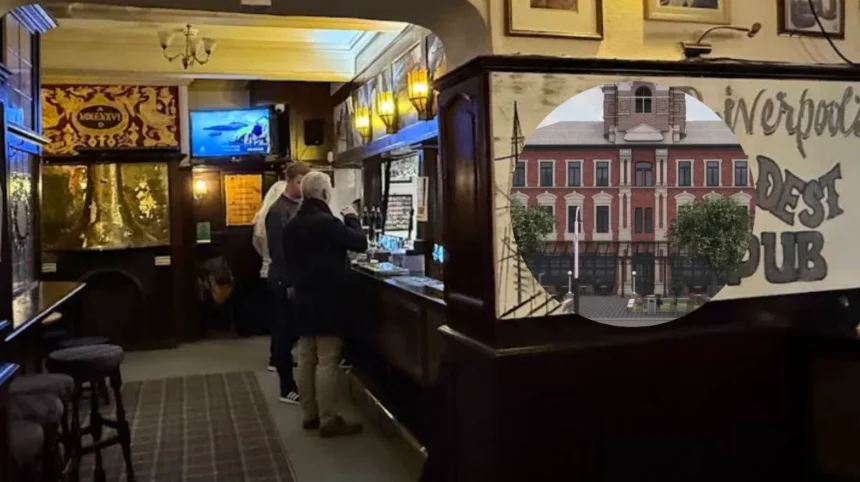
Southport (Liverpool standard) September 04, 2026 — Hospitality group JD Wetherspoon has confirmed a £5 million investment to transform its Sir Henry Segrave pub on Lord Street into Southport’s newest budget hotel, marking the chain’s first hotel in the Merseyside region. The scheme involves converting the vacant upper floors of the historic Pavilion Building at 93–97 Lord Street into 29 en‑suite bedrooms, while refurbishing the ground‑floor pub to include a dedicated hotel reception and an extended kitchen area.
- Key Points
- How will the building be changed and what new outdoor space is planned?
- Why is Wetherspoon investing in Southport now and what else is happening on Lord Street?
- What type of hotel will it be and how does it fit Wetherspoon’s wider portfolio?
- Background to the Southport hotel development
- Prediction: how could the Wetherspoon hotel affect Southport residents, visitors and local businesses?
As reported by Andrew Brown of LBN Daily, Wetherspoon describes the project as “a £5m investment in Southport town centre, delivering high‑quality hotel accommodation and improved hospitality facilities”. The Liverpool Echo, citing a Wetherspoon spokesman, Eddie Gershon, quoted him saying: “Wetherspoon is always keen to add to the facilities for customers at its pubs. We aim to redevelop the existing pub and add a 29‑bedroom hotel, which we believe will be a great benefit to the pub, the town, customers and staff.”
The hotel rooms will be housed within the same building as the existing bar, which has operated as one of the busiest Wetherspoon venues in the region and celebrated its 30th anniversary last September. The pub is named after Southport‑born racing driver Sir Henry Segrave, who set a land‑speed record on Birkdale Sands in 1926.
How will the building be changed and what new outdoor space is planned?
Following the grant of planning permission in September 2024, Wetherspoon has submitted further plans to Sefton Council to upgrade the grass verge in front of the pub into a formal outdoor dining area. According to documents prepared by JH Architects, the proposal seeks to
“create and formalise an external customer area with landscaping and accessibility improvements together with the refurbishment and conversion of the upper floors to provide hotel accommodation”.
The design retains the existing mature tree on site and introduces new planting beds and planters to enhance visual amenity and biodiversity within the Lord Street Conservation Area. JH Architects stated that “the design keeps the existing mature tree on site and introduces new planting with nectar‑rich and native species”, alongside small‑scale habitat features such as bird boxes and pollinator‑friendly planting.
Ground‑floor alterations are designed to provide step‑free and inclusive access for all customers, including wheelchair users, in line with accessibility standards. Most of the original exterior will remain untouched, with only limited changes to create additional fire exits and a new entrance, reflecting a commitment to preserve the building’s 19th‑century heritage.
Why is Wetherspoon investing in Southport now and what else is happening on Lord Street?
Wetherspoon has linked its investment to wider regeneration activity in Southport, particularly the £106 million Marine Lake Events Centre development and the Light Fantastic project in Marine Lake, where contractors AE Yates are on site. In its planning submission, the company said the scheme
“supports sustainable development, promotes town centre vitality and protects heritage assets while contributing to Sefton Council’s objectives for regeneration and visitor economy growth in Southport”.
The hotel is part of a cluster of hospitality and leisure projects on Lord Street. Planning permission has previously been granted for the nearby Garrick site to be converted into a scheme including 109 hotel rooms, 12 luxury apartments, a gym and spa, and a new theatre space. More recently, owners of the Garrick Building have sought permission to increase the number of hotel rooms from 109 to 133, removing proposed apartments from the scheme.
Local media have highlighted that work on the 29‑bedroom Wetherspoon Hotel in the Pavilion Buildings is due to begin this autumn, adding to the momentum of investment along the corridor.
What type of hotel will it be and how does it fit Wetherspoon’s wider portfolio?
The Southport venue will operate as a Wetherspoon Hotel, a budget‑oriented brand that currently runs 55 hotels across the UK and Ireland. Rooms at the chain’s other hotels typically cost between £60 and £80 per night, although prices vary depending on how far in advance guests book.
The hotel will be Wetherspoon’s first in Merseyside, extending a portfolio that includes conversions of historic buildings such as the Royal Victoria Pavilion in Ramsgate, which underwent a £4.5 million restoration by the group in 2017. The company has also been active in opening new pubs, with six new venues scheduled for September 2026, including sites in Crewe, St Andrews, Manchester Airport, and Bedford.
Background to the Southport hotel development
The Sir Henry Segrave pub has occupied the Pavilion Buildings on Lord Street for three decades, becoming a landmark venue in Southport town centre. Planning permission for the hotel conversion was approved in September 2024, allowing Wetherspoon to proceed with detailed design and contractor mobilisation. The latest submission focuses on external improvements, including the outdoor dining terrace, landscaping, and accessibility upgrades, while the internal conversion of the upper floors into 28 en‑suite rooms progresses under the earlier approval.
JH Architects has emphasised that the proposals are “designed to be reversible” and consistent with the character of the Lord Street Conservation Area, aiming to improve the external appearance of a “currently under‑used heritage building”. The project is positioned as part of a broader push to strengthen Southport’s visitor economy, with local authorities and developers backing multiple hospitality and leisure schemes along Lord Street and around Marine Lake.
Prediction: how could the Wetherspoon hotel affect Southport residents, visitors and local businesses?
The addition of a 29‑bedroom budget hotel in Southport town centre is likely to increase overnight capacity for leisure visitors attending events at the Marine Lake Events Centre and other attractions, potentially extending visitor stays and spending in local shops, cafes and restaurants. For residents, the development may bring modest employment opportunities during construction and ongoing roles in hotel and pub operations, while improved accessibility and streetscape enhancements could benefit pedestrians along Lord Street.
For competing accommodation providers, the new Wetherspoon hotel could intensify competition in the budget segment, particularly if room rates align with the chain’s typical £60–£80 range. For the wider Liverpool City Region, which recorded a record £6.8 billion visitor economy last year, the hotel adds incremental capacity that supports continued growth in tourism‑related activity.


