

Key Points
- Sefton Council’s Sefton 2030 housing initiative has nominated three council-owned sites, including the former Ainsdale High School, for housing development that could deliver around 230 new homes.
- The proposals form part of a wider partnership between Sefton Council and the Sovini Group, branded Sefton Home 2030, that aims to deliver 1,000 affordable homes by 2030.
- The sites highlighted include the former Ainsdale High School in Southport and other former school or council-owned parcels across the borough.
- Cabinet members at Sefton Council are being asked to approve the next steps in the Sefton 2030 initiative at a forthcoming meeting, with the aim of progressing masterplans and planning applications for the identified sites.
- Developers and delivery partners already involved in related Sefton projects include Sovini Group, Sandway Homes, Riverside and Vistry Group on other Ainsdale schemes.
- Early phases of the Sefton 2030 partnership are intended to prioritise affordable and social rented tenures, alongside opportunities for shared ownership and community benefits such as jobs, apprenticeships and training.
- Some projects in the borough have previously proposed dozens of homes on former school sites and brownfield council land, with mixed tenure including a limited number of affordable units.
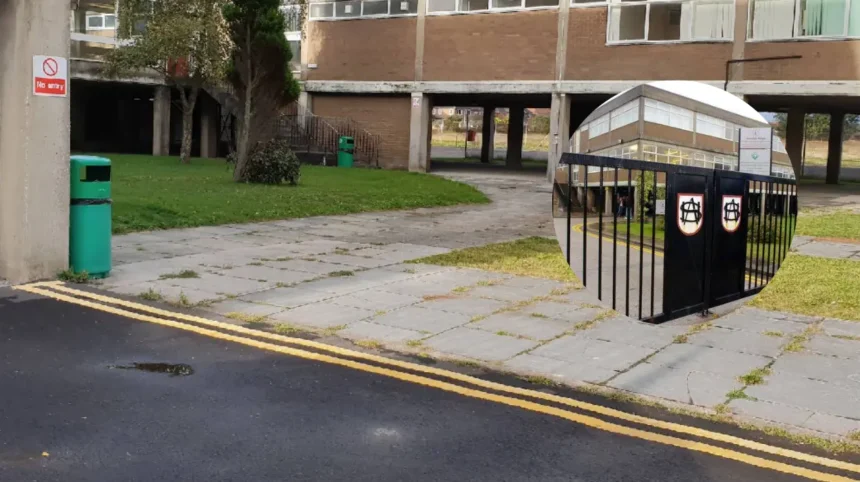
Sefton Council (Liverpool standard) July 15, 2026 — Cabinet is due to consider the next phase of its Sefton 2030 housing initiative next week after council officers identified three council-owned sites, including the former Ainsdale High School in Southport, as potential locations where around 230 new homes could be delivered as part of a borough-wide programme to boost affordable housing delivery.
- Key Points
- Why is Sefton Council pushing these particular sites now?
- What will the former Ainsdale High School scheme include?
- Which organisations will deliver the housing?
- What are the political and community considerations?
- What timeline and numbers are proposed?
- Which statements and sources have been published about these proposals?
- Background of the development
- Prediction: How this development may affect Southport residents and local stakeholders
As reported by Sovini Group in its announcement on the partnership, the Sefton 2030 plan is a strategic alliance between the council and local housing providers intended to bring forward up to 1,000 affordable homes across Sefton by 2030, with the first phase targeting roughly 400 homes across a number of sites including locations in Southport, Bootle, Netherton, Seaforth and Formby.
The three sites now highlighted for the immediate next steps include the former Ainsdale High School site and two other council-owned parcels previously used for education or community purposes; officers say the proposals advance the council’s housing ambitions while seeking to protect greenbelt where possible and to reuse underused brownfield land.
Councillors will be asked to approve preparation of masterplans and the submission of planning applications where needed, with council papers describing the move as a necessary step to unlock housing supply and stimulate jobs and training opportunities in local communities through developer partnerships and targeted social value measures.
Why is Sefton Council pushing these particular sites now?
As reported by Sovini Group, the Sefton 2030 initiative is designed to accelerate delivery by pooling council-owned land with the Group’s development pipeline and leveraging public and private resources to deliver high-quality, affordable homes for local residents.
Council documents and press coverage explain that the strategy follows earlier local planning work that identified a significant housing need across the borough and a desire to bring forward land in council ownership to ensure a greater share of new homes are affordable or social rented rather than entirely market-led.
Local precedent projects, including Sandway Homes developments and Riverside and Vistry schemes in Ainsdale, show the council has used its own land and delivery vehicles to produce mixed-tenure schemes, and those delivery models inform the current recommendations to the cabinet.
What will the former Ainsdale High School scheme include?
Local reporting and planning summaries indicate the former Ainsdale High School site is being considered for a residential scheme consistent with the council’s Sefton 2030 priorities, and will likely include a mix of house types and tenures aimed at meeting local needs, though final numbers and tenures will be confirmed through the masterplanning and planning application process.
Previous and nearby developments in Ainsdale have included houses, bungalows and apartments delivered by a mix of providers; for example, Riverside’s appointment of Vistry Group on an Ainsdale mixed-use scheme envisaged apartments and shared ownership provision in earlier schemes, showing a model that could inform this site’s design and tenure mix.
Council reports and the Sovini partnership emphasise a priority for social rented and affordable housing, apprenticeship and training opportunities, and community investment as part of the overall benefit package for each site brought forward under Sefton 2030.
Which organisations will deliver the housing?
Sefton Council’s Sefton 2030 programme uses partnerships with registered providers and developers to deliver homes on council land; Sovini Group is the named strategic partner for the Sefton Home 2030 programme and will work with the council to bring forward many of the first-phase sites.
Sandway Homes, Sefton Council’s in-house development company, has previously delivered brownfield council-led projects and has been referenced in reports as part of the council’s broader delivery toolkit, although the council intends to concentrate effort on the Sovini partnership for scale delivery through to 2030.
Other independent developers and housing associations already active in Ainsdale and neighbouring parts of the borough, such as Riverside and Vistry Group on separate schemes, provide delivery precedents and capacity that the council might coordinate with under the Sefton 2030 umbrella.
What are the political and community considerations?
Council papers and local coverage highlight that Sefton 2030 is being promoted as a way to accelerate affordable housing while using council-owned land to achieve social value outcomes, but such proposals also attract scrutiny around greenbelt protection, local infrastructure capacity and the loss of former education sites to housing.
Local press reporting of similar schemes has recorded mixed community responses in the past, with support for more affordable homes and local jobs balanced against concerns about traffic, school place pressures and the character of neighbourhoods when new developments are proposed.
Sefton Council’s cabinet will weigh the projected housing benefits, community investment commitments and planning considerations when deciding whether to authorise the next steps for the three nominated sites.
What timeline and numbers are proposed?
The council’s Sefton 2030 plan sets an aspiration to deliver 1,000 homes by 2030, with the first phase delivering roughly 400 homes across several sites, and the three nominated sites in this cabinet report are estimated collectively to provide around 230 dwellings subject to masterplanning and planning consent.
Individual scheme timelines will depend on masterplan approval, planning permissions and the procurement of delivery partners; council officers are recommending approval of next steps to enable preparations for planning submissions and early engagement with local communities.
Which statements and sources have been published about these proposals?
As reported in Sovini Group’s Sefton Home 2030 announcement, the partnership emphasises a commitment to social and affordable housing and to using council land to support delivery targets and community benefits.
Sefton Council’s Sefton 2030 web material describes the shared vision and the locations earmarked for development, and confirms the ambition to deliver 1,000 homes by 2030 through a mixture of council-led and partner delivery.
Local reporting by Stand Up For Southport and regional press has detailed individual site proposals, such as the former Ainsdale High School site and Bootle High School land parcels, and has summarised the numbers and developer involvement described in council and partner statements.
Background of the development
Sefton’s housing ambitions have been evolving for several years through strategies such as Vision 2030 and through the establishment of delivery vehicles like Sandway Homes to use council-owned land for housing development; these earlier initiatives established a precedent for converting underused public land, including former school sites, to deliver a mix of tenures to meet borough needs.
The Sovini partnership, branded Sefton Home 2030, emerged as a strategic route to scale up delivery, combining council land with Sovini’s development capacity and pipeline to reach a target of 1,000 homes by 2030 and create local economic and training benefits, while attempting to protect greenbelt where possible by prioritising brownfield and council-owned sites.
Across 2024–2025 there were multiple smaller schemes and partnerships approved or progressing in Sefton, from Sandway and Barnfield contracts to Riverside and Vistry projects in Ainsdale, which set practical examples for how the council could bring forward affordable, shared ownership and social rented homes through mixed partnerships.
Prediction: How this development may affect Southport residents and local stakeholders
The immediate effect for Southport residents near the former Ainsdale High School site would likely be increased planning activity, local consultations and proposals for new housing that could deliver additional affordable options for families.
Construction activity would create short-term employment and apprenticeship opportunities if the Sefton 2030 partners deliver the social value commitments pledged in partnership statements, but it may also increase pressure on local infrastructure, including roads, schools and healthcare services.
For local planners and councillors, successful delivery would strengthen the council’s capacity to shape the mix and quality of new housing on public land, but the political balance will depend on how the council manages community concerns about density, design and green space.