Key Points
- The former building of Penny Lane Community Trust, a tourist attraction in Liverpool themed around The Beatles, is up for sale.
- The trust ceased operations for good as of December 31, 2025 because of increasing costs and decreasing visitor numbers.
- The sale is conducted by JPS Chartered Surveyors to charitable organizations and communities exclusively.
- The landowner is the City of Liverpool Council that also must authorize the leasehold transfer.
- The building was leased to the Penny Lane Development Trust for 99 years starting from 2009 with peppercorn rent of one pound per year.
- The trust was put into voluntary liquidation in January 2026 with the appointment of voluntary liquidator.
- Councillor Richard Kemp has complained about the length of the process and encouraged local charities to think big regarding the building’s destiny.
Liverpool (Liverpool standard) October 17, 2026 – A former Beatles tourist attraction on one of Liverpool’s most famous streets has been put up for sale, more than nine months after the charity that ran it closed because of rising costs and falling visitor numbers.
- Key Points
- Why has the Penny Lane Beatles attraction been put up for sale?
- What is included in the Penny Lane site?
- Who owns the Penny Lane building?
- What has Liverpool City Council said?
- What has Richard Kemp said about the sale?
- How long could the process take?
- What does the sale mean for Beatles tourism?
- Background of the development
- Prediction: How could this affect Liverpool’s Beatles tourism audience?
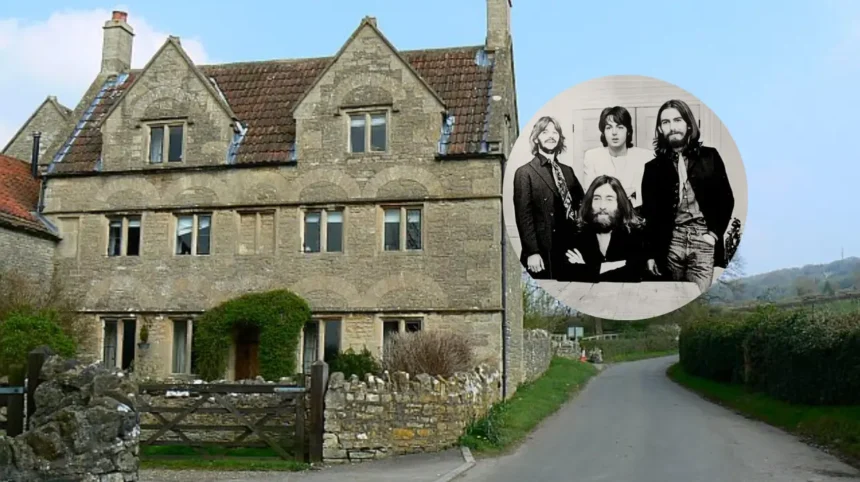
The Penny Lane Community Trust building, which included Beatles memorabilia and a prominent mural of John Lennon and Paul McCartney, is now being marketed to charities and community organisations. As reported by the BBC, the Penny Lane Development Trust shut the centre on New Year’s Eve in 2025 after struggling with increased utility costs and reduced footfall.
The sale marks a significant development for Penny Lane, a location internationally associated with The Beatles after the band released the double A-side single “Penny Lane” and “Strawberry Fields Forever” in 1967. The attraction sits near Strawberry Fields, another major stop on Liverpool’s Beatles tourism trail.
Why has the Penny Lane Beatles attraction been put up for sale?
The Penny Lane Development Trust went into liquidation after the visitor centre and community facility became financially unsustainable. As reported by the BBC, the trust’s senior charity officer, Julia Gornell, said in 2025 that increased utility costs and falling footfall had placed a “huge toll” on the charity’s “already limited resources”.
The trust had operated the community and Beatles visitor centre since 2010. According to People, the centre closed permanently on 31 December 2025, citing declining visitors and rising operating costs.
A voluntary liquidator was appointed in January 2026. The BBC reported that the Local Democracy Reporting Service said the development trust behind the site entered liquidation, leading to the appointment.
The building is now listed by JPS Chartered Surveyors. According to details published by the surveyors and reported by the BBC, the property is being marketed only to charities and community organisations.
What is included in the Penny Lane site?
The former attraction contains several Beatles-related features. Far Out Magazine reported that the site includes a large mural of Paul McCartney and John Lennon, a Beatles-themed garden and a yellow submarine donated by the Cavern Club.
The trust also housed the former gates from the Mather Avenue fire station, according to Far Out Magazine.
The building’s location near Strawberry Fields has made it part of a broader visitor route for Beatles fans travelling through south Liverpool. Far Out Magazine described Strawberry Fields as housing a visitor centre filled with Beatles memorabilia.
Who owns the Penny Lane building?
Liverpool City Council owns the freehold of the Penny Lane Development Centre site. The BBC reported that a lease was granted to the Penny Lane Development Trust under a 99-year agreement in 2009 at a peppercorn rent of £1 a year.
Any sale or assignment of the remaining leasehold must be approved by the council. According to the listing details reported by the BBC, prospective organisations must demonstrate financial viability and compliance with the building’s permitted use.
People reported that the lease assignment is restricted to “another community or charitable organization, subject to the formal consent and approval to the Liverpool City Council”.
What has Liverpool City Council said?
Liverpool City Council said it is working with the liquidators and their representatives to examine future options for the building. As reported by the BBC, a council spokesperson said the authority was seeking to “secure the best possible outcome for the local community”.
The council also said it could not comment further because the matter is an ongoing legal and property issue. The BBC quoted the spokesperson as saying:
“As this is an ongoing legal and property matter, it would not be appropriate to comment further at this stage.”
The council’s position means that, although the leasehold is being marketed, no transfer can proceed without formal council approval.
What has Richard Kemp said about the sale?
Richard Kemp, a former Lord Mayor of Liverpool and councillor for Penny Lane, criticised the time taken to bring the property to market. As reported by the BBC, he said: “It is disgraceful that this has taken so long and it will be well over a year before a successful bidder can start to use the building for the local community.”
Kemp said he wanted local people, businesses and organisations to work together on proposals for the site. The BBC reported that he said he would be pleased to engage with local people and companies on the options.
He added: “I hope that we can think big on this.”
Kemp argued that a future development could support tourism in the area. As reported by the BBC, he said such developments have “brilliant potential” to attract visitors to the Beatles Homeland Quarter, benefit the city and raise money for local projects that would help Penny Lane residents.
How long could the process take?
Kemp’s comments suggest that even after a bidder is selected, the building may not be available for community use for more than a year. As reported by the BBC, he said it would be “well over a year” before a successful bidder could begin using the building for the local community.
The sale process involves several stages: marketing the leasehold, identifying a suitable charity or community organisation, assessing financial viability, confirming compliance with permitted use, and obtaining Liverpool City Council’s approval. The BBC reported that all of these conditions apply to any prospective assignment of the lease.
The involvement of liquidators adds a further legal layer. The BBC reported that the development trust entered liquidation and a voluntary liquidator was appointed in January.
What does the sale mean for Beatles tourism?
The closure and proposed sale remove a community-run Beatles visitor site from Penny Lane, although the street itself remains a major destination for fans. The building’s Beatles-themed garden, mural and memorabilia had made it a recognisable stop for visitors exploring the area.
The site’s future use is not expected to be open to general commercial buyers. The BBC reported that JPS Chartered Surveyors is marketing the building exclusively to charities and community organisations.
That restriction could shape the type of future tenant. A charity, community group or social enterprise would need to show it can operate the building sustainably while meeting the council’s requirements for permitted use.
Kemp has suggested that a future scheme could connect the site more closely with the wider Beatles Homeland Quarter. The BBC reported his view that tourism-focused development could benefit the city and generate funding for local projects.
Background of the development
The Penny Lane Development Trust opened the community centre and Beatles visitor attraction in 2010. People reported that the centre operated for 15 years before closing permanently at the end of 2025.
The trust operated from a building on Penny Lane under a long lease from Liverpool City Council. The BBC reported that the 99-year lease was granted in 2009 at a nominal rent of £1 a year.
The closure followed a period of financial pressure. Far Out Magazine reported that Julia Gornell, the trust’s senior charity officer, said higher utility costs and reduced footfall had strained the charity’s limited resources.
The trust subsequently entered liquidation. The BBC reported that a voluntary liquidator was appointed in January 2026, and the building was later listed for sale through JPS Chartered Surveyors.
Penny Lane remains closely linked to The Beatles through the 1967 release of “Penny Lane” and “Strawberry Fields Forever”. Far Out Magazine noted that the location is familiar to fans because of that double A-side single.
Prediction: How could this affect Liverpool’s Beatles tourism audience?
For Beatles fans, the sale is likely to reduce the number of dedicated indoor attractions immediately available around Penny Lane in the short term. The former trust building had offered memorabilia, a themed garden and a physical stopping point close to Strawberry Fields, and its closure leaves visitors more dependent on outdoor landmarks and nearby sites.
For Liverpool’s tourism sector, the outcome will depend on whether a financially stable charity or community organisation can reopen the building in a way that complements the city’s existing Beatles offer. Kemp’s comments indicate local support for a scheme that attracts visitors to the Beatles Homeland Quarter while also delivering benefits for Penny Lane residents.
For local residents and community groups, the council-controlled approval process provides a safeguard that the site cannot simply be sold to an unrelated commercial operator. However, the requirement for financial viability and permitted-use compliance may limit the pool of possible bidders and extend the time before the building reopens.
The most likely near-term effect is continued uncertainty around the site. Until a suitable organisation is approved, the former attraction is expected to remain closed, while Liverpool City Council and the liquidators assess options for its future use.