Key Points
- Wirral Council gained the three-month-long Closure Order against Flat 3, 64 Tollemache Street, New Brighton, imposed by the Wirral Magistrates’ Court on 17 September 2026.
- According to Section 80 of the Anti-Social Behaviour, Crime and Policing Act 2014, the closure order restricts anyone’s access to the property before 4 p.m. on 16 December 2026.
- The residents complained about continuous harassment through noise around the clock, screaming, cursing, intimidation of visitors, sleep disturbances, and safety worries.
- One of the neighbours said that the street seemed to be “smackhead city” with people in balaclavas coming and screaming at night; another claimed that the problem was blown out of proportion.
- The closure order became possible after the investigation carried out by the anti-social behaviour team of Wirral Council and Prima Housing Group based on information from the residents.
- Violating the Closure Order is considered to be a criminal offense, and it will lead to imprisonment, fine, or both.
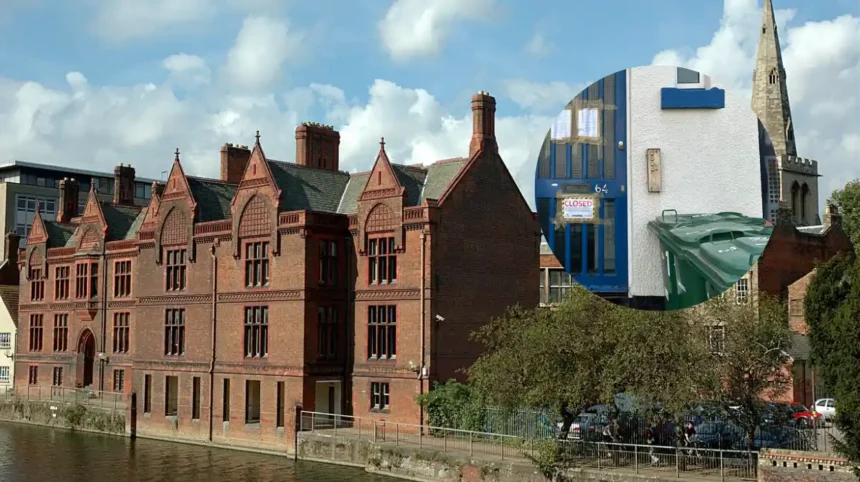
Birkenhead (Liverpool standard) September 29, 2026 – A quiet residential street in New Brighton has been at the centre of a high-profile closure order after a flat was linked to persistent anti-social behaviour that neighbours said caused significant distress. Wirral Council obtained a three-month Closure Order on Flat 3 at 64 Tollemache Street, following a court hearing on 17 September 2026, with the order running until 4pm on 16 December 2026.
- Key Points
- What did the court hear about anti-social behaviour at the flat?
- How have residents responded to the closure order?
- Who applied for the order and under what law?
- What are the terms and consequences of breaching the order?
- Background to the development
- Prediction: how might this affect residents and the local housing market?
What did the court hear about anti-social behaviour at the flat?
As reported by the Liverpool Echo, the court was satisfied that the use of the premises had resulted in “serious nuisance” to members of the public and that disorderly, offensive or criminal behaviour had occurred, or was likely to occur, if the order was not granted. Evidence presented included frequent visitors attending at all hours, noise disturbance, shouting, swearing, and conduct causing alarm and distress to others in the building and the wider community.
Wirral View reported that local residents experienced significant disruption to their daily lives and wellbeing over a prolonged period, with complaints of sleep deprivation, concerns about personal safety, intimidation by visitors, and an inability to peacefully enjoy their homes. The council said that despite a number of interventions, warnings, support offers and tenancy enforcement measures, the nuisance continued, leading to the closure order application.
How have residents responded to the closure order?
Neighbours offered contrasting views when approached by local media. As reported by the Liverpool Echo, one gentleman in the immediate vicinity said the area felt like “smackhead city”, with men in balaclavas turning up and shouting at all hours of the night. He added: “It’s been nuts, it’s just crazy. I feel unsafe living here.”
Another resident, a woman further down the road from the flat, told the Liverpool Echo she felt the issue had been “blown out of proportion”. Other residents expressed concern about how the order, and subsequent coverage, may impact house prices in the area.
Who applied for the order and under what law?
The application for the closure order followed investigations carried out by Wirral Council’s anti-social behaviour team and Prima Housing Group, supported by evidence provided by residents, according to the Liverpool Echo and Wirral View. The order was made under Section 80 of the Anti-Social Behaviour, Crime and Policing Act 2014 and was granted by Wirral Magistrates’ Court on 17 September 2026.
Wirral View noted that a Closure Order is one of the strongest powers available to local authorities and can be used where premises are associated with serious nuisance, disorder or criminality. A notice on the front door of 64 Tollemache Street states that Flat 3 is the property in question.
What are the terms and consequences of breaching the order?
The Closure Order prohibits access to the property, with limited exceptions, until 4pm on 16 December 2026. Wirral View reported that breaching a Closure Order is a criminal offence and can result in imprisonment, a fine, or both. The Wirral Globe added that the order prohibits entry to the property except under limited circumstances, reinforcing the strict nature of the measure.
Background to the development
Closure orders of this kind are typically used as a last resort when other interventions have failed to curb persistent anti-social behaviour linked to a specific address. In this case, Wirral Council and Prima Housing Group said they had previously deployed warnings, support offers and tenancy enforcement measures before seeking court action. The legal threshold requires the court to be satisfied that the use of the premises has resulted in serious nuisance to members of the public, and that disorderly, offensive or criminal behaviour has occurred or is likely to occur without the order.
The Tollemache Street case follows a broader pattern of enforcement activity in Wirral. In recent weeks, Wirral Trading Standards secured three further three-month closure orders on retail businesses linked to the illegal sale of tobacco and vaping products, marking the 21st, 22nd and 23rd such orders since December 2025. Council updates published by Wirral View confirmed that orders issued in this period were made under the Anti-Social Behaviour, Crime and Policing Act 2014 and would remain in effect for three months.
Prediction: how might this affect residents and the local housing market?
For residents on Tollemache Street and nearby, the immediate effect of the New Brighton flat closure is likely to be a reduction in night-time disturbance and a heightened sense of security, provided the order is enforced consistently. However, the public nature of the case and the vivid descriptions used by some neighbours could also influence perceptions of the street beyond the immediate address.
Local homeowners and prospective buyers may monitor whether similar enforcement actions become more common in New Brighton, as repeated closure orders in a small area can affect buyer confidence and, in turn, house prices. Conversely, decisive action by the council and housing providers may reassure some buyers that anti-social behaviour is being tackled robustly. For tenants and leaseholders in the block, the order may bring short-term relief but could also prompt questions about longer-term tenancy management and support for vulnerable residents.