

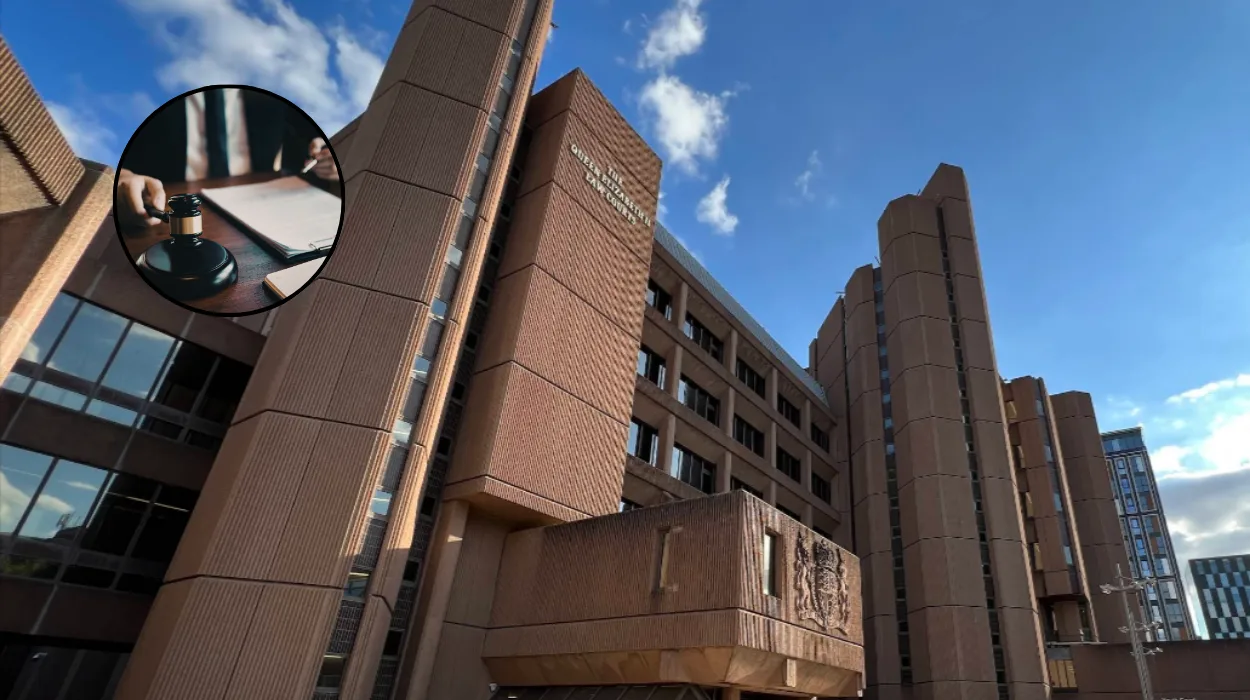
Key Points
- A man testified in court that his deceased friend admitted to staging his own suicide and falsely implicating two innocent individuals.
- The friend reportedly confessed moments before his death that he took his own life and blamed others unjustly.
- The testimony emerged during a trial where the man faces charges related to the friend’s death.
- Court proceedings highlight disputes over the true circumstances of the suicide.
Liverpool (Liverpool Standard) February 6, 2026 – A defendant in a high-profile manslaughter trial stunned the court by claiming his late friend confessed to faking blame on two innocent people before killing himself.
The man, giving evidence from the witness box, recounted a conversation where his friend allegedly said he had ended his own life and wrongly accused others. Prosecutors contest the account, arguing it shifts responsibility amid ongoing legal battles over the death.
What did the man tell the court about his friend’s confession?
According to reporting by The Mirror, the defendant stated his friend revealed in their final exchange that he “killed himself and blamed two innocent people.” The testimony came during cross-examination in a Liverpool court, where details of the friend’s final moments were dissected.
As reported by court correspondents of The Mirror, the man described the confession as a deliberate act by his friend to implicate others despite taking his own life. The court heard how the pair had been in contact shortly before the suicide.
Why does this testimony matter in the ongoing trial?
The claim introduces doubt over the narrative of coercion or assistance in the suicide, central to the prosecution’s case. Defense lawyers used the statement to argue the friend acted independently, per coverage from multiple outlets tracking the proceedings.
How have prosecutors responded to the defendant’s account?
Prosecutors challenged the reliability of the testimony, pointing to prior communications suggesting influence or encouragement. The Mirror detailed how the court examined text exchanges and witness statements to verify the sequence of events leading to the death.
What are the potential implications for those accused?
If accepted, the confession could exonerate the two individuals named by the deceased, altering charges of manslaughter or related offenses. Legal experts note such deathbed claims often face scrutiny over timing and intent.
The trial continues as the court weighs the defendant’s evidence against forensic and digital records from the case.