

Key Points
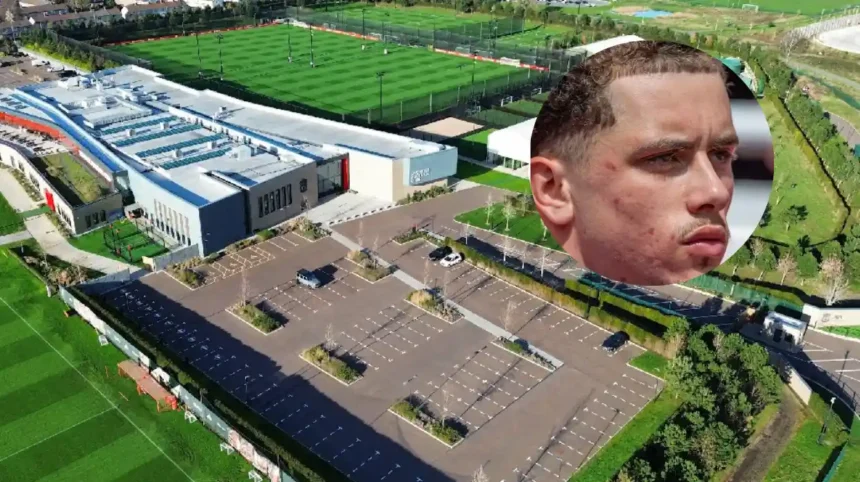
- Liverpool’s academy players reported back for pre-season training on Monday at the AXA Training Centre, marking the official start of preparations for the 2026/27 season.
- The U21s and U18s will begin with fitness tests and base-level assessments before progressing towards potential senior-team integration.
- Jay Spearing, former Liverpool player and under‑21s coach, publicly welcomed “day one” on Instagram, signalling academy readiness under head coach Rob Page and U18s coach Simon Wiles.
- Andoni Iraola has confirmed he wants to use academy players during the early pre‑season period and the upcoming American tour, partly due to World Cup absences in the first team.
- U21s captain Kieran Morrison is among the first group back for testing and is expected to join the first team once pre‑season begins on 13 July, though his future (including a possible loan) remains undecided.
- Last season, only Morrison and Wellity Lucky received debut opportunities from the academy; the club now hopes the new regime will create more chances.
- 15‑year‑old Josh Abe, who recently committed his long‑term future to Liverpool and was handed the No. 40 shirt, is set to join the senior setup for pre‑season.
- Iraola has not yet held a full press conference since being named Liverpool’s head coach on 4 June; his first major media appearance is expected during the USA tour in 2026.
Liverpool (Liverpool standard) July 06, 2026 – Liverpool’s academy squad has officially returned to training at the AXA Training Centre on Monday, stepping into pre‑season work ahead of Andoni Iraola’s first team, which is scheduled to resume next week. The move confirms that the club’s youth structure is already in full preparation for the 2026/27 campaign, with U21s and U18s players undergoing fitness tests and baseline assessments before any potential promotion to senior duties.
- Key Points
- How Is Liverpool Structuring Its Academy Pre‑Season?
- Why Is Iraola Interested in Academy Players Early On?
- Who Are the Key Academy Players Linked to the First Team?
- What Does This Mean for Liverpool’s Pre‑Season Plans?
- Background: The Development of Liverpool’s Academy Under the New Regime
- Prediction: How This Development Could Affect Liverpool Fans and Young Players
How Is Liverpool Structuring Its Academy Pre‑Season?
According to reports from This Is Anfield, the academy’s first few days will focus on fitness tests designed to establish a “base level” for all players before they progress to more advanced training blocks. These early workouts are intended to identify players who are physically ready to step into senior environments and to give coaches a clear picture of readiness across the U21s and U18s.
Jay Spearing, a former Liverpool player who now serves as under‑21s coach, marked the start of the new cycle on his Instagram account on Monday morning, describing it as “day one”. His post was widely interpreted by supporters and media as an official signal that the academy’s pre‑season timetable is now active under the leadership of Rob Page, who oversees the U21s, and Simon Wiles, who leads the U18s.
Both Page and Wiles are preparing their respective squads for a series of pre‑season friendlies before the competitive season begins next month. These matches are expected to give young players a chance to demonstrate they can operate under pressure and at a higher tempo, which is a key factor when Iraola considers academy recruits for first‑team tasks.
Why Is Iraola Interested in Academy Players Early On?
As reported by This Is Anfield, Iraola has already voiced a clear desire to call on and closely evaluate the club’s young players, particularly knowing that several established first‑team members are absent due to their involvement in the 2026 World Cup. In his first club interview, the new head coach stated:
“They will be an important part of the first part of pre‑season, the American tour, and I think in that way it works very well for us.”
This approach indicates that Iraola intends to use academy players not just as reserves, but as meaningful components of the squad during the early stages of pre‑season and the upcoming tour of the United States. The World Cup absences create a natural space for younger players to gain experience, and the coach appears willing to use that opportunity to assess talent under realistic conditions.
Liverpool’s academy has historically been a source of first‑team players, and the current set‑up suggests a renewed emphasis on integrating youth into senior environments. With some senior players unavailable, the early pre‑season window becomes a strategic testing ground for academy prospects who could eventually become permanent options in Iraola’s system.
Who Are the Key Academy Players Linked to the First Team?
This Is Anfield understands that U21s captain Kieran Morrison is part of the first group of academy players to report back for testing. Morrison’s leadership role within the U21s and his consistent performances have made him a central figure in discussions about which academy players might be promoted this season.
Once the first team’s pre‑season officially begins on 13 July, Morrison is likely to join Iraola’s squad for training and potentially match exposure. However, his longer‑term future remains uncertain, with strong interest reported from other clubs for a loan deal. The academy and first‑team structure will need to balance Morrison’s development with the possibility that he could leave temporarily to gain senior experience elsewhere.
Another player set to benefit from the new regime is 15‑year‑old Josh Abe. According to This Is Anfield, Abe has committed his long‑term future to Liverpool and has been handed the No. 40 shirt, a symbolic step that often precedes senior involvement. He is now expected to join the senior setup for pre‑season, giving him a rare opportunity to train alongside experienced professionals at an early age.
Last season, only Morrison and Wellity Lucky received their debuts from the academy, highlighting how rare first‑team opportunities have been in recent years. Under Iraola’s new leadership, there is clear expectation that more players will be given chances to appear in competitive matches, particularly if they demonstrate readiness during pre‑season assessments and friendlies.
What Does This Mean for Liverpool’s Pre‑Season Plans?
The academy’s return underscores that Liverpool’s pre‑season calendar is now fully active across all levels. While the first team resumes training next week, the U21s and U18s are already working through fitness tests and tactical preparations aimed at building consistency before the competitive season begins.
Iraola’s plan to integrate academy players into the early pre‑season and the American tour indicates a structured approach to player assessment. Young players will be tested in environments that resemble first‑team conditions, including travel, unfamiliar opponents, and condensed match schedules. This will allow the coaching staff to evaluate not only technical ability but also adaptability and resilience.
The timing also aligns with the club’s broader strategy to reduce reliance on external signings by developing home‑grown options. With World Cup absences limiting the number of senior players available for immediate training, academy prospects provide a practical and cost‑effective solution to maintain squad depth during pre‑season.
Background: The Development of Liverpool’s Academy Under the New Regime
The return of Liverpool’s academy players for pre‑season marks a continuation of a longer development process that has been reshaped under the club’s current leadership structure. After years of focusing on buying established talent, Liverpool has increasingly prioritised youth development as a core component of its long‑term model.
Rob Page’s appointment to oversee the U21s and Simon Wiles’ role with the U18s reflect a deliberate effort to create a more structured pathway from youth to first team. Jay Spearing’s involvement as under‑21s coach further strengthens this link, given his experience as a former Liverpool player who understands the club’s culture and expectations.
Andoni Iraola’s public commitment to using academy players during pre‑season and the American tour is a significant shift from previous regimes, which often relied heavily on senior signings and cautious integration of youth. This approach suggests that the club is now more willing to test young players in competitive environments earlier in their development, rather than waiting for them to reach a higher level of maturity.
The fact that players like Morrison and Abe are being given clear opportunities through testing, senior training, and shirt numbers indicates that the academy is being treated as a strategic asset rather than a secondary option. This development aligns with broader trends in English football, where clubs are increasingly seeking to balance financial sustainability with on‑field performance through youth integration.
Prediction: How This Development Could Affect Liverpool Fans and Young Players
For Liverpool fans, the academy’s return and Iraola’s willingness to use young players in pre‑season could signal a more exciting and home‑grown style of football in the coming season. Supporters often value seeing local talent progress through the club, and increased academy involvement may strengthen the connection between the team and the community.
For young players like Morrison, Abe, and others in the U21s and U18s, this development offers a tangible pathway to first‑team football. The combination of fitness testing, senior training, and potential match exposure during the American tour provides a realistic chance to prove themselves at a higher level. If they perform well, they could secure permanent roles in Iraola’s squad, reducing the need for expensive external signings and creating a more sustainable model for the club.
However, the pressure on these players will also increase. Being selected for senior pre‑season and tour duties means they will be evaluated against experienced professionals, and any mistakes will be more visible. The balance between opportunity and expectation will be crucial in determining whether these academy prospects can translate pre‑season performance into long‑term first‑team contributions.