

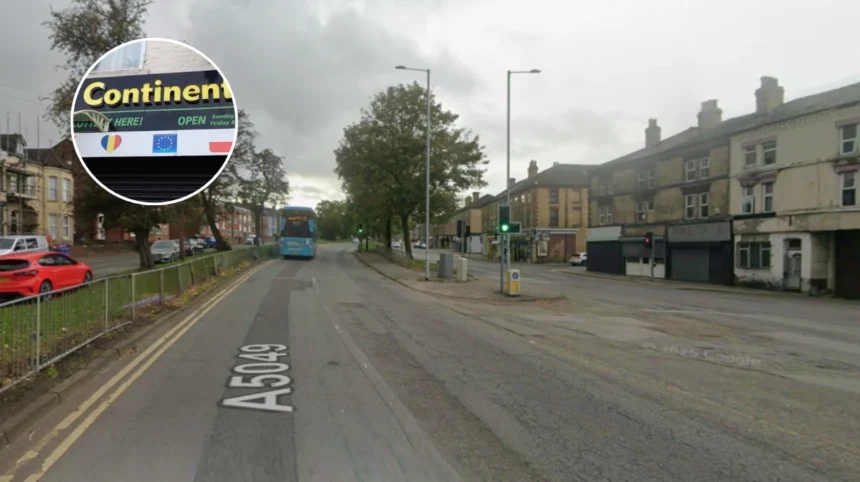
Key Points
- L6 Continental, a shop on West Derby Road in Tuebrook, Liverpool, was temporarily closed after environmental health inspectors from Liverpool City Council found evidence of mice gnawing food items and one mouse running in front of them during an inspection on 11 February 2026.
- The council deemed the shop posed an “imminent risk to health”, leading to an emergency hygiene prohibition notice applied for through the courts.
- Owners of L6 Local Store Ltd were ordered to pay £3,220 in costs to the council at Liverpool and Knowsley Magistrates’ Court, despite pleas for leniency.
- The court heard that the shop had implemented sufficient remedial actions, including a recent inspection confirming improvements, allowing it to reopen.
- Inspectors discovered mouse droppings on shelves and floors, dead mice on glue traps, and gnawed food still on sale, prompting “immediate action”.
- The shop initially consented to close voluntarily but was found open two days later, serving customers, which escalated the council’s response.
- In November 2023, the shop’s premises licence was revoked by the local authority after illegal vaping products and cigarettes were seized.
- Similar incidents reported elsewhere: Best In Late Shop on Atwell Street fined over £13,000 after dead mouse, droppings, and gnawed food found; over 55 mice caught during closure.
Tuebrook (Liverpool Standard) February 27, 2026 – A convenience store in Liverpool has been hit with a £3,220 court bill after food safety inspectors uncovered a mouse infestation, including gnawed food and a live rodent dashing across their path during a visit on 11 February. Liverpool City Council described the conditions at L6 Continental on West Derby Road as posing an “imminent risk to health”, forcing a temporary closure via an emergency hygiene prohibition notice. The owners, L6 Local Store Ltd, were ordered to cover the council’s costs at Liverpool and Knowsley Magistrates’ Court following proceedings on 25 February.
- Key Points
- What triggered the inspectors’ visit?
- Why was the shop deemed an imminent health risk?
- What happened at Liverpool and Knowsley Magistrates’ Court?
- What steps did the shop take to reopen?
- What is the shop’s prior history with authorities?
- Are there similar cases in Liverpool?
- How does Liverpool City Council enforce food safety?
- What do these cases mean for local businesses?
- Broader implications for food hygiene in the UK?
What triggered the inspectors’ visit?
The inspection at L6 Continental stemmed from “significant concerns” about pest activity, leading to an unannounced hygiene check on 11 February.
As reported by BBC News, inspectors found mouse droppings scattered across shelves and floors, with dead mice trapped on glue traps. Food items had been gnawed by rodents, and crucially, one mouse ran directly in front of the officers, underscoring the severity of the infestation.
Liverpool Echo detailed that the council initially sought voluntary closure from L6 Local Store Ltd, but the shop was discovered still operating two days later, with customers being served amid ongoing issues. This prompted the council to apply for an emergency court order, citing the need for “immediate action” as more gnawed products remained on sale.
Why was the shop deemed an imminent health risk?
Liverpool City Council classified the premises as an “imminent risk to health” due to the direct evidence of rodent contamination in food storage and display areas.
According to the BBC, the presence of live mice, droppings on food shelves, and chewed packaging created a clear pathway for health hazards, breaching food safety regulations. The Liverpool Echo reported that officials were “shocked” by food left on shelves that had been “gnawed through”, highlighting poor pest control measures.
A council spokesperson noted in court proceedings that such conditions necessitated swift intervention to protect public health, as rodents can spread diseases like salmonella through contaminated food. The emergency hygiene prohibition notice was granted specifically for the closure period, ensuring no further exposure until rectified.
What happened at Liverpool and Knowsley Magistrates’ Court?
At the hearing on Wednesday afternoon, 25 February, magistrates awarded Liverpool City Council £3,220 in costs against L6 Local Store Ltd, despite representatives pleading for leniency.
The court was informed that a follow-up inspection just before the session confirmed sufficient improvements had been made, allowing the shop to reopen immediately after the notice period.
As per BBC coverage, the bench recognised the remedial steps but upheld the full costs for the council’s enforcement efforts, including legal applications and multiple visits. Liverpool Echo journalists reported that the operators consented to the prohibition but faced the financial penalty for the initial non-compliance.
What steps did the shop take to reopen?
Prior to the court hearing, environmental health officers conducted another inspection and expressed satisfaction with the changes implemented by L6 Continental.
This included enhanced pest control, deep cleaning, and removal of contaminated stock, enabling the emergency notice to cover only the temporary closure duration.
The BBC stated that officials deemed the premises safe for trading post-inspection, with no ongoing imminent risks identified. Liverpool Echo emphasised that these measures addressed the “alarming discoveries”, permitting resumption of business without further prohibition.
What is the shop’s prior history with authorities?
L6 Continental has faced regulatory scrutiny before; in November 2023, Liverpool City Council revoked its premises licence over concerns about operators’ adherence to licensing objectives.
This followed the seizure of illegal vaping products and cigarettes from the store, raising questions about compliance culture.
As reported by the Liverpool Echo, the licence revocation highlighted early warning signs of inadequate management, predating the recent food hygiene crisis. BBC News linked this history to the current case, noting magistrates were aware during cost deliberations.
Are there similar cases in Liverpool?
Liverpool has seen repeated food safety enforcement against rodent infestations in retail settings. In a parallel incident covered by BBC News, the Best In Late Shop on Atwell Street was fined after inspectors found mouse droppings on food shelves, gnawed crisps and chocolates, and a dead mouse under a freezer.
The court heard over 55 mice were trapped during closure, leading to a £5,333 fine, £2,000 victim surcharge, and £5,694 costs—totalling over £13,000—for the operator. Cllr Harry Doyle, Liverpool City Council’s cabinet member for health, wellbeing, and culture, described those conditions as “truly horrific” and “truly appalling”, vowing decisive action on hygiene failures.
A council spokesperson in that case stated:
“Mouse droppings were found throughout the store, including on the food display shelves and floor areas.”
The shop later received a top food hygiene rating of five after reopening and improvements.
How does Liverpool City Council enforce food safety?
Liverpool City Council prioritises proactive inspections and swift court action for high-risk violations, as seen in both L6 Continental and Best In Late cases. Environmental health officers respond to complaints with unannounced visits, escalating to prohibition notices when voluntary compliance fails.
In the L6 case, the council’s application for an emergency notice demonstrated its legal toolkit for imminent threats. Cllr Harry Doyle’s comments on similar breaches underscore a zero-tolerance policy:
“We take food hygiene and safety very seriously, and this incident demonstrates that we will take decisive action when a business fails to comply with legal standards.”
What do these cases mean for local businesses?
These incidents highlight the financial and reputational risks of neglecting pest control in Liverpool’s retail sector. Magistrates’ awards of full costs, even with reopenings, serve as deterrents, covering officer time, legal fees, and follow-ups.
For consumers in Tuebrook and beyond, they reassure robust oversight, though repeated issues at sites like L6 Continental prompt questions on sustained compliance post-resolution. Authorities emphasise prevention through regular hygiene ratings and licensing checks to avert public health crises.
Broader implications for food hygiene in the UK?
Rodent infestations in food premises remain a persistent challenge across UK cities, with councils wielding powers under the Food Safety Act 1990 for closures and costs. Liverpool’s actions mirror national trends, where zero-rated hygiene scores trigger interventions, as in the Best In Late case.
Experts note that economic pressures may strain small operators’ pest management, but legal penalties reinforce standards. Public awareness from such reports encourages vigilance, reporting concerns promptly to protect community health.