

Key Points
- More than £15 million is being proposed for two new cycle lane projects in Liverpool, with work potentially starting in autumn 2026.
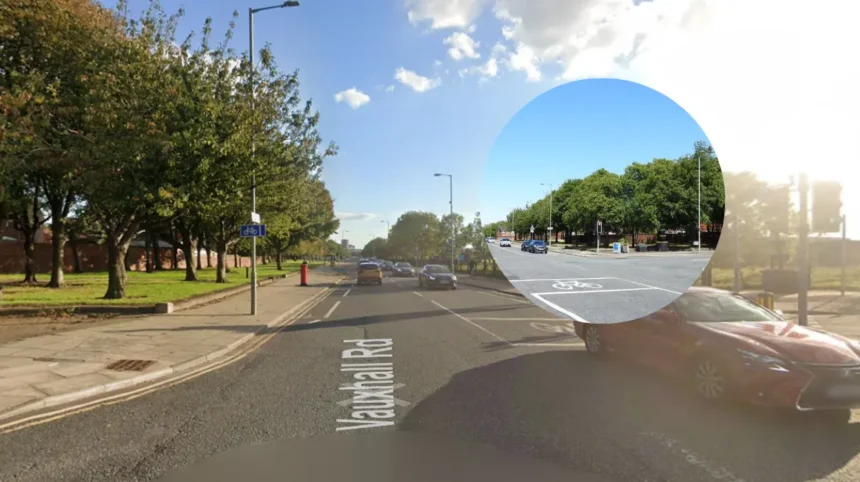
- The first scheme, worth £12 million, will create a fully segregated cycle lane along a mile-long stretch between Vauxhall Road and Commercial Road on the city’s north end.
- The second scheme, worth £3.5 million, will deliver active travel improvements around Sefton Park, linking Princes Avenue Junction, Princes Park and the historic park on the south end.
- Liverpool Council’s cabinet is set to be asked to approve the plans when members meet, with work targeted to begin by November if approved.
- Officials have earmarked a completion date of 2028 for both schemes, which also include upgraded footpaths and new pedestrian crossings at key junctions.
- The proposals include crossings at Leeds Street, Burlington Street, Boundary Street and Sandhills Lane as part of the north end improvements.
- The investment follows earlier walking and cycling grants in Liverpool city centre, including £13.5 million from the Levelling Up fund in 2025.
- The developments are part of a broader push to promote active travel and improve safety for pedestrians and cyclists in the city.
Liverpool (Liverpool standard) July 09, 2026 – It is preparing to invest more than £15 million in two major cycle lane projects designed to transform active travel routes at the north and south ends of the city.
uk/local/liverpool-council/">Liverpool Council’s cabinet will be asked to sign off on plans to install a fully segregated cycle lane and other improvements worth £12 million across a mile-long stretch between Vauxhall Road and Commercial Road, while an additional active travel scheme worth £3.5 million could be adopted around Sefton Park, linking Princes Avenue Junction, Princes Park and the historic park. If approved, work would get underway by November with a completion date of 2028 earmarked by officials, and the plans include a fully segregated cycle lane, upgraded footpaths and new pedestrian crossings at busy junctions including Leeds Street, Burlington Street, Boundary Street and Sandhills Lane.
As reported by the Liverpool Echo, a series of upgrades are planned for both the north and south ends of the city, with more than £15 million to be spent introducing new cycle lanes at two key routes in Liverpool, and work potentially starting this Autumn. The echo further notes that the first scheme seeks to create a fully segregated cycle lane along a critical corridor on the north side, while the second focuses on improving connectivity around one of the city’s most popular green spaces on the south side.
How Will the North End Cycle Lane Scheme Work?
The north end proposal centres on a mile-long corridor between Vauxhall Road and Commercial Road, where a fully segregated cycle lane is to be installed alongside broader street improvements. As reported by the Liverpool Echo, the £12 million package includes not only the cycle lane but also upgraded footpaths and new pedestrian crossings at a series of busy junctions.
The plans specifically identify crossings at Leeds Street, Burlington Street, Boundary Street and Sandhills Lane as part of the north end improvements, aiming to make the route safer for both cyclists and pedestrians. These crossings are expected to reduce conflicts between modes of travel and provide clearer, more protected spaces for people walking and cycling through a heavily used urban corridor.
What Changes Are Proposed Around Sefton Park?
The south end scheme focuses on active travel around Sefton Park, with a contract worth £3.5 million recommended to be given the go-ahead when council members meet. As reported by the Liverpool Echo, the improvements will link Princes Avenue Junction, through Princes Park and connecting to the historic park, creating a more coherent route for walkers and cyclists.
This Sefton Park route is designed to improve connectivity between residential areas, local parks and the wider city network, encouraging more people to choose walking and cycling for everyday trips. The project is seen as a key component of Liverpool’s broader strategy to promote active travel and reduce reliance on cars in dense urban areas.
Why Is More Than £15m Being Proposed for These Schemes?
The proposed investment of more than £15 million reflects a significant commitment to expanding and modernising Liverpool’s cycling infrastructure, particularly in areas where current facilities are limited or disconnected. As reported by Modeshift, earlier multi-million pound investment in walking and cycling throughout Liverpool city centre has already seen almost £13.5 million spent improving routes across the city after Liverpool Council approved the receipt of a grant from the Liverpool City Region Combined Authority.
That earlier funding, drawn from the government’s Levelling Up fund, supported four schemes including improvements in the Ropewalks area, around St George’s Gateway, at Chapel Street and along Dock Road, all aimed at improving safety for pedestrians and cyclists and promoting active travel. The new north and south end proposals are therefore seen as a continuation of this strategy, extending high-quality, segregated cycling infrastructure beyond the city centre into key residential and leisure corridors.
When Could Work Start and Finish?
If the council’s cabinet approves the plans, work on both schemes is expected to get underway by November 2026, with officials earmarking a completion date of 2028. This timetable would mean roughly two years of construction and street works across the two corridors, during which local residents and businesses may experience some disruption.
The phased approach is intended to allow for careful management of traffic and pedestrian flows while new cycle lanes, footpaths and crossings are installed, with the aim of minimising long-term inconvenience. Once completed, the schemes are expected to provide long-lasting infrastructure that can support increased cycling and walking for many years.
Background of the Development
The push for new cycle lanes in Liverpool is part of a wider national and local effort to encourage active travel, improve public health and reduce carbon emissions from road transport. In 2025, Liverpool Council already secured nearly £13.5 million from the Liverpool City Region Combined Authority, funded through the government’s Levelling Up fund, to improve walking and cycling routes across the city centre.
Those earlier schemes included improvements in the Ropewalks area, around St George’s Gateway, at Chapel Street and along Dock Road, all designed to replace broken and uneven footways, improve pedestrian and cyclist safety and create more continuous segregated cycle routes. The current proposals for Vauxhall RoadCommercial Road and the Sefton Park corridor extend this strategy into the north and south ends, addressing gaps in the network and linking key residential, commercial and leisure areas with high-quality infrastructure.
The timing of these projects also aligns with broader regional developments, including Liverpool City Region’s role as a host for stage two of the men’s Tour de France in July 2027, which is expected to bring increased attention to cycling in the city and reinforce the importance of safe, accessible cycle routes.
Prediction: How This Development Can Affect Liverpool Residents and Cyclists
If the £15 million-plus investment is approved and delivered as planned, Liverpool residents and cyclists are likely to see a noticeable expansion of safe, segregated cycling infrastructure on both the north and south ends of the city. For daily commuters, the new Vauxhall Road–Commercial Road route could provide a faster, more protected alternative to existing roads, potentially reducing journey times and encouraging more people to cycle to work, school or university.
For families and leisure users, the Sefton Park scheme is expected to improve access to one of the city’s most popular parks, making it easier and safer to walk or cycle from surrounding neighbourhoods. Over time, the combination of better crossings, upgraded footpaths and dedicated cycle lanes could lead to higher levels of active travel, reduced car use on local streets and improved air quality in those areas.
There is also the possibility that successful delivery of these schemes will make it easier for Liverpool to secure further funding for additional cycle routes, building on the momentum from the 2025 Levelling Up investments and the anticipated 2027 Tour de France visit. However, the success of these outcomes will depend on careful implementation, ongoing maintenance and community engagement to ensure the new infrastructure meets the needs of local users.