

Key Points
- An urgent alert was issued by Merseyside Fire and Rescue Service (MFRS) regarding a rapid grass fire in Huyton that came close to the fence of Hope Primary School.
- The fire at Lordens Road doubled in size four times within 20 minutes until it was brought under control without affecting any houses and the school premises.
- From July 20 to August 9, 2026, MFRS dealt with 418 grass and rubbish fires in Merseyside, of which 240 were found to be deliberately lit.
- According to Kevin Johnson, head of prevention at MFRS, the dry weather enables even minor fires to spread fast and the community is requested not to deliberately light fires.
- MFRS issued safety tips regarding safe disposal of cigarettes, safe use of barbecues and reporting any instances of arson to Merseyside Police.
- Parents and carers have been urged to keep a watch on their children for any signs like smell of smoke or burns while on school holidays.
Huyton Fire (Liverpool standard) August 11, 2026 – Firefighters have issued an urgent warning after a rapidly spreading grass fire reached the boundary fence of Hope Primary School in Huyton, Knowsley. Merseyside Fire and Rescue Service (MFRS) said the blaze on Lordens Road grew to four times its original size in just 20 minutes before crews brought it under control, preventing it from spreading to nearby homes and school buildings.
- Key Points
- What happened at Hope Primary School in Huyton?
- How quickly did the Huyton grass fire spread?
- How many grass fires have been recorded across Merseyside?
- What safety advice has Merseyside Fire and Rescue Service issued?
- What warning signs should parents and carers monitor?
- Background of the development
- Prediction: How this development can affect local communities and schools
As reported by journalists at the Wirral Globe and St Helens Star, MFRS described the incident as one of hundreds of grass and rubbish fires attended across Merseyside since the start of the school holidays, with more than half recorded as deliberate. The service used the incident to renew calls for the public to avoid starting fires in open spaces and to dispose of cigarettes and rubbish responsibly amid dry conditions.
What happened at Hope Primary School in Huyton?
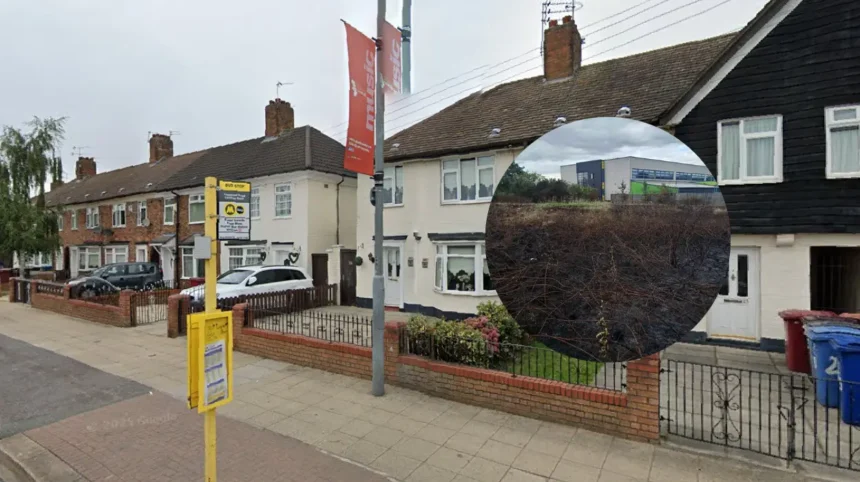
Merseyside Fire and Rescue Service attended a fast-moving grass fire on Lordens Road in Huyton, which spread rapidly towards Hope Primary School and nearby residential properties. According to MFRS, the flames reached the boundary fence of the primary school before firefighters extinguished the blaze, preventing further spread.
Photographs released by MFRS show the proximity of the fire to the school fence line, illustrating how close the incident came to affecting school buildings and neighbouring homes. Fire crews managed to contain the blaze before it reached properties, though extensive areas of grassland were damaged in the incident.
How quickly did the Huyton grass fire spread?
The grass fire on Lordens Road expanded to four times its original size within just 20 minutes, according to MFRS. Kevin Johnson, MFRS head of prevention, said:
“What may start as a small fire can spread incredibly quickly when conditions are dry, and in this case the flames reached the boundary of a primary school and came close to nearby homes.”
Mr Johnson added:
“Thankfully, our firefighters were able to prevent the fire from spreading further, but the outcome could have been very different.”
The rapid expansion of the blaze under dry conditions highlighted the risks posed by outdoor fires during periods of warm, dry weather.
How many grass fires have been recorded across Merseyside?
Between July 20 and August 9, 2026, MFRS attended 418 grass and rubbish fires across Merseyside, with 240 of those incidents recorded as deliberate more than half of all such fires during the period. Over a longer timeframe, from June 1 to August 9, crews responded to 945 grass and rubbish fires, including 643 involving grassland, with 515 incidents classified as deliberate.
The rise in deliberate fire-setting coincides with the school holidays, prompting MFRS to call on parents and carers to remain vigilant. The service warned that avoidable fires can draw emergency crews away from potentially life-threatening incidents, noting that during the same period MFRS dealt with 134 house or flat fires where people may have required rescue.
What safety advice has Merseyside Fire and Rescue Service issued?
MFRS has issued a series of safety recommendations for residents across Wirral and the wider Merseyside area following the Huyton incident and the broader rise in grass fires. The service urged the public to: never deliberately light fires in open spaces; dispose of cigarettes safely and ensure they are fully extinguished; take litter home or use bins provided; use barbecues only in designated areas and never leave them unattended; keep home barbecues away from grass, fences, sheds and buildings; report suspected deliberate fire-setting to Merseyside Police; and call 999 immediately if a fire is spotted.
Barbecues are not permitted on beaches, the service added. Mr Johnson said: “Our firefighters will always respond when someone needs help, but we are asking people to think about the consequences of their actions.” He continued: “Deliberately starting a fire can put other people in danger and place unnecessary pressure on emergency services. Help us help you.”
What warning signs should parents and carers monitor?
With the increase in deliberate fires during the school holidays, MFRS has asked parents and carers to know where their children are and to remain alert to potential warning signs. The service highlighted indicators including clothes smelling of smoke, unexplained burn marks, or missing lighters, aerosols and other potential ignition sources.
The guidance forms part of a broader prevention effort aimed at reducing the number of avoidable fires that place communities and emergency responders at risk. MFRS emphasised that such fires are not harmless, noting they can threaten homes and buildings, destroy wildlife and green spaces, and endanger members of the public and firefighters.
Background of the development
The Huyton grass fire incident follows a pattern of similar events across Merseyside during the summer of 2026. Earlier in August, on August 2 and 3, 2026, MFRS attended two separate fires on a Huyton school playing field within 24 hours, including a 50m x 50m blaze surrounding Hope Street Primary School. Those incidents were part of a wider surge in grass and rubbish fires during the school holiday period, with MFRS recording hundreds of such calls across the region.
The service has repeatedly warned that dry conditions accelerate fire spread and that deliberate fire-setting places undue strain on emergency resources. MFRS prevention teams have been engaging with communities to promote safe practices around outdoor fires, barbecues and cigarette disposal, while urging the public to report suspected arson to Merseyside Police.
Prediction: How this development can affect local communities and schools
The Huyton grass fire incident and the broader rise in deliberate outdoor fires are likely to affect local communities, schools and emergency services in several ways. For residents near green spaces and schools, the risk of property damage and personal injury from rapidly spreading fires increases during dry periods, particularly where deliberate fire-setting occurs. Schools may face heightened security and safety concerns, with potential disruptions if fires encroach on playing fields or boundary fences, as seen at Hope Primary School.
For Merseyside Fire and Rescue Service, the surge in avoidable grass fires diverts crews from other emergencies, including house fires where lives may be at risk. Continued deliberate fire-setting could lead to longer response times for critical incidents and increased operational pressure on firefighters. Local authorities and police may also face greater demands to investigate arson and engage in prevention work with young people during school holidays.
Communities that experience repeated grass fires may see damage to local green spaces and wildlife habitats, reducing the quality of public recreational areas. If prevention efforts succeed and deliberate fire-setting declines, the opposite outcome is possible: reduced risk to homes and schools, improved availability of fire service resources, and safer public spaces for residents.