
Key Points
- Merseyside Police carried out warrants in Liverpool on Tuesday 18th August 2026 in connection with the “Operation Toxic,” arresting a man and a woman.
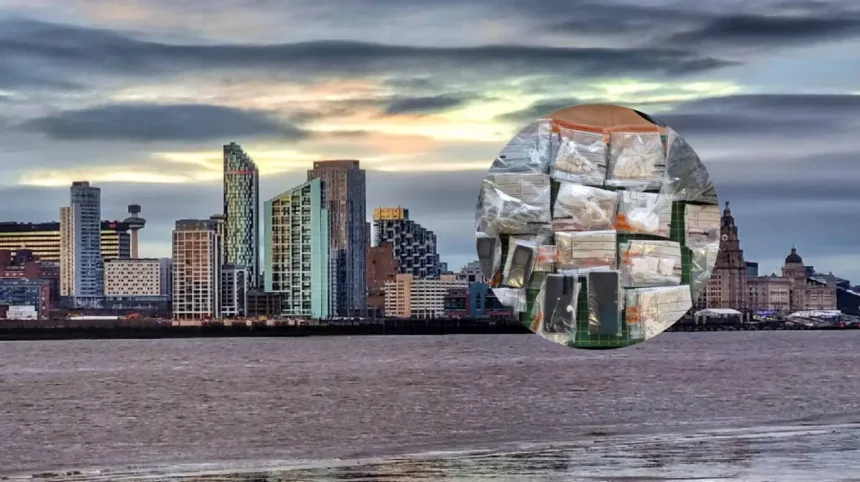
- A large amount of drugs and other property were confiscated during the process.
- The update was made by the Merseyside Police on Wednesday 19th August 2026, at 08:52.
- The two suspects are currently in custody as investigations proceed, according to the statement released.
- This operation is just part of a broader operation aimed at addressing drug supply in the city.
Liverpool Crime (Liverpool standard ) August 19, 2026 – A man and a woman have been arrested following the execution of drug-related warrants in Liverpool on Tuesday 18 August, as part of Operation Toxic, Merseyside Police said in a statement published at 08:52 on Wednesday 19 August. Officers seized a large quantity of drugs and other items during the warrants, the force added, confirming that both suspects remain in custody while further enquiries are carried out.
- Key Points
- What did Merseyside Police say about the arrests and seizures?
- Where and when were the warrants executed?
- What was seized during the Liverpool drug warrants?
- Who has been arrested and what is their status?
- How does Operation Toxic fit into wider anti-drug efforts?
- What have local media and other sources reported?
- Background to the development
- Prediction: How could this development affect Liverpool residents and local communities?
What did Merseyside Police say about the arrests and seizures?
As reported in the official news release on the Merseyside Police website, the force stated: “We have arrested two people and seized a large quantity of drugs and other items following warrants in Liverpool yesterday, Tuesday 18 August.” The statement, issued under the headline “Op. Toxic: Man and woman arrested in Liverpool drug warrants”, did not name the individuals or disclose the exact addresses, in line with standard practice while investigations are ongoing.
The release confirmed that the warrants were executed as part of Operation Toxic, a proactive policing initiative aimed at disrupting the supply of illegal drugs in the city. Merseyside Police said both the man and the woman were arrested on suspicion of offences linked to the supply and possession of controlled substances, though specific charges had not been laid at the time of publication.
Where and when were the warrants executed?
The warrants were carried out in Liverpool on Tuesday 18 August 2026, Merseyside Police said. The force did not specify the neighbourhoods or streets involved in the public update, citing operational reasons and the need to protect the integrity of ongoing enquiries. The timing of the warrants was described simply as “yesterday” relative to the 19 August publication date, indicating they took place during daylight or evening hours on 18 August, consistent with typical warrant execution windows.
What was seized during the Liverpool drug warrants?
Merseyside Police said officers seized “a large quantity of drugs and other items” during the warrants, without providing a detailed breakdown in the initial statement. The phrasing is consistent with early-stage updates where forensic examination, weighing, and classification of substances are still underway. The reference to “other items” typically encompasses paraphernalia associated with drug supply, such as mobile phones, digital devices, packaging materials, and cash, although the force did not itemise these in the release.
Who has been arrested and what is their status?
A man and a woman were arrested in connection with the warrants, Merseyside Police confirmed. The force did not disclose ages, names, or addresses, noting that the individuals remain in police custody while enquiries continue. In cases of this nature, suspects are usually interviewed under caution before decisions are made on charging, bail, or further detention, in accordance with the Police and Criminal Evidence Act 1984.
How does Operation Toxic fit into wider anti-drug efforts?
Operation Toxic is one of several targeted initiatives used by Merseyside Police to tackle drug supply networks across the city region. Similar operations elsewhere in the UK, such as Operation Krypton in Newport and various county-wide proactive campaigns, follow a comparable model of executing warrants, seizing drugs and cash, and arresting suspects linked to supply chains. The approach reflects a national emphasis on disrupting organised crime groups that use urban centres like Liverpool as hubs for distribution.
What have local media and other sources reported?
At the time of writing, the primary public account of the Liverpool arrests comes from the Merseyside Police news release, which was picked up in search results and force feeds on 19 August. Other regional outlets, including the Liverpool Echo, have recently covered separate drug-related cases in the wider Merseyside area, such as the sentencing of a dealer who used a “graft phone” to advertise cocaine, but those reports relate to different investigations and do not overlap with the Operation Toxic warrants announced on 19 August. No additional statements from the Crown Prosecution Service or local councillors were available in relation to this specific operation at the time of publication.
Background to the development
Drug-related warrant operations in Liverpool have been a recurring feature of policing in recent years, with Merseyside Police regularly announcing arrests and seizures linked to class A and class B substances. Operation Toxic sits within a broader strategy that combines intelligence-led raids, stop-and-search activity, and partnership work with local authorities and health services to reduce harm linked to drug supply and use. The force has previously highlighted that a significant proportion of serious violence in the city is connected to the drugs trade, providing a further rationale for sustained enforcement activity.
Prediction: How could this development affect Liverpool residents and local communities?
The arrest of two suspects and the seizure of a large quantity of drugs under Operation Toxic is likely to have a short-term disruptive effect on local supply networks, potentially reducing availability of certain substances in the immediate aftermath of the warrants. For Liverpool residents, this may translate into a perceived increase in police visibility and a temporary dip in overt drug-dealing activity in the affected areas, although historical patterns suggest that supply chains can adapt quickly if enforcement is not sustained. In the medium term, the impact on community safety will depend on whether further arrests, charges, and prosecutions follow, and whether the operation yields intelligence that leads to higher-level targets within distribution networks. For local businesses and households, continued proactive operations of this kind can contribute to a sense of increased security, provided they are accompanied by clear communication from police and support services for those affected by drug-related harm.