Woolton is an affluent suburban village located six miles southeast of central Liverpool that maintains a distinct rural atmosphere. It offers open green spaces, historical architecture, and independent local businesses that provide a serene alternative to the bustling city center.
- What is the history and background of Woolton Village?
- How does Woolton connect to the history of The Beatles?
- What architectural and historical landmarks can you explore in Woolton?
- What green spaces and parks make Woolton a peaceful destination?
- How can visitors experience Woolton’s food, drink, and local culture?
- What are the practical travel details for visiting Woolton from central Liverpool?
- Frequently Asked Questions
Woolton officially joined the city of Liverpool in 1913, yet it preserves its original village square layout and historic red sandstone architecture. The suburb encompasses over 200 acres of public parkland, including Reynolds Park and Woolton Woods. Visitors can explore independent cafes, traditional public houses, and historical landmarks without encountering the heavy tourist density found near Liverpool Waterfront or the Cavern Quarter. The area retains a lower population density and a slower pace of life, making it an ideal retreat for culture seekers, nature lovers, and history enthusiasts.
What is the history and background of Woolton Village?
Woolton originated as an Anglo-Saxon settlement recorded in the Domesday Book of 1086 under the ancient name Uluentone. The village developed through sandstone quarrying and agricultural trade throughout the medieval period before evolving into a prosperous residential area.
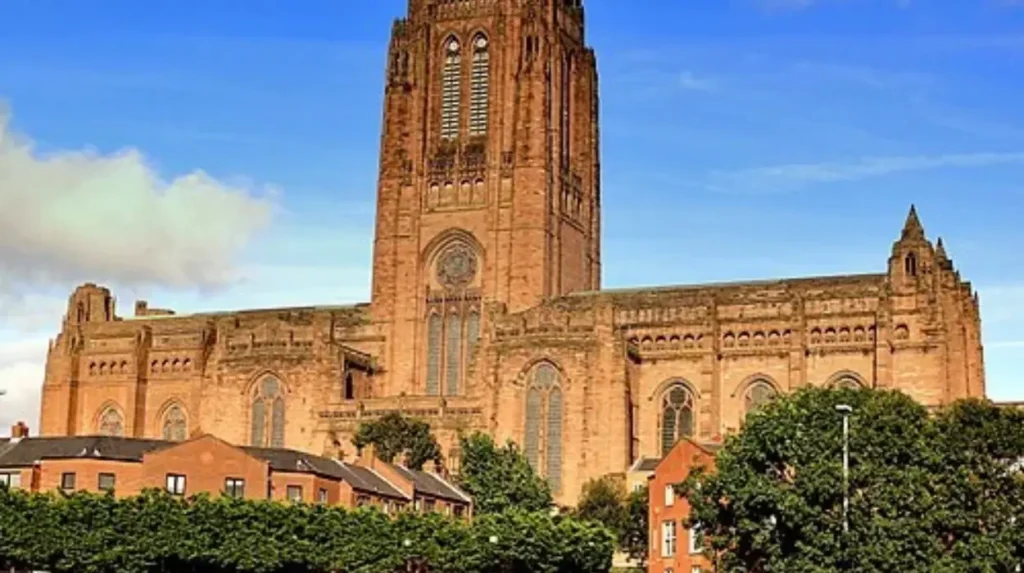
The name Woolton derives from Wulfa’s Tun, signifying an early English farmstead or settlement. In the twelfth century, the Knights Hospitaller received lands in Much Woolton, establishing religious and agricultural administration in the region. Local red sandstone quarrying supplied construction materials for major regional structures, including the Liverpool Anglican Cathedral. Rich merchants built grand suburban estates here during the nineteenth century, establishing the conservation areas seen today. The village retains medieval street layouts alongside Victorian municipal buildings, presenting a continuous architectural record spanning nine centuries of Merseyside heritage.
How does Woolton connect to the history of The Beatles?
Woolton serves as the historical birthplace of The Beatles, hosting the pivotal meeting between John Lennon and Paul McCartney at St Peter’s Church Hall. The suburb contains childhood residences, inspiration sites, and landmark locations central to music history.
On July 6, 1957, John Lennon’s skiffle group, The Quarrymen, performed at the St Peter’s Church summer fete in Woolton Village. Mutual friend Ivan Vaughan introduced Paul McCartney to Lennon inside the church hall following the afternoon performance. John Lennon lived nearby at 251 Menlove Avenue, named Mendips, from 1945 until 1963 under the care of his Aunt Mimi. St Peter’s Churchyard contains the grave of Eleanor Rigby, whose name influenced the title of the famous 1966 single. Strawberry Field, a Salvation Army children’s home that inspired Lennon’s iconic 1967 song, sits directly on the border of Woolton.
What architectural and historical landmarks can you explore in Woolton?
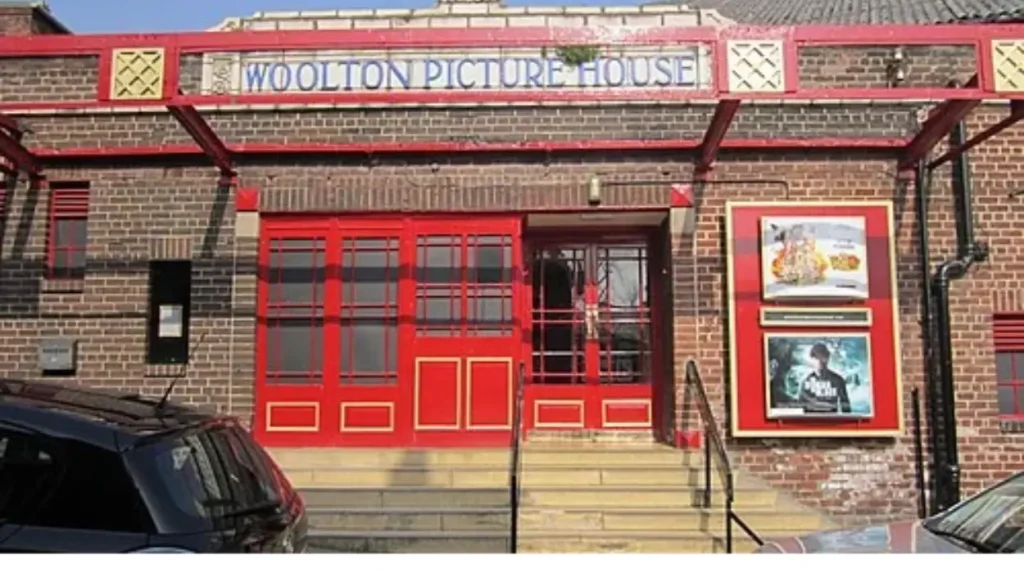
Woolton contains a vast collection of Grade II listed structures, historic religious sites, and preserved nineteenth-century community infrastructure. The village architecture showcases local Much Woolton red sandstone across residential, municipal, and commercial buildings.
St Peter’s Church stands as a primary architectural landmark, built in 1887 in the Victorian Gothic style featuring a imposing stone tower. The Woolton Picture House, established in 1926, represents the oldest surviving independent single-screen cinema in Liverpool. Woolton Baths, constructed in 1893 in the Baroque Revival style, highlights late-Victorian public health infrastructure and municipal civic pride. The Much Woolton Old School, built in 1610, remains the oldest surviving school building in the county of Lancashire. Dairy Cottage, constructed in 1839, stands as an authentic example of rural agricultural architecture integrated into the modern village perimeter.
What green spaces and parks make Woolton a peaceful destination?
Woolton features extensive public parks, botanical gardens, and protected woodland reserves that offer peaceful recreational environments. These public grounds feature diverse flora, historical monuments, and elevated vantage points overlooking the River Mersey estuary.
Reynolds Park spans 14 acres and features a walled garden, formal topiary, rhododendron woods, and a comprehensive collection of rare specimen trees. Woolton Woods and Camphill encompass over 60 acres of ancient woodland, public footpaths, and historical walled gardens once part of the Woolton Hall Estate. Camphill occupies an elevated ridge that served as an Iron Age encampment and later a beacon site during the Spanish Armada crisis. The parks provide protected habitats for indigenous wildlife, including red foxes, bats, and native songbirds. Walking trails across these green spaces offer accessible outdoor recreation away from urban vehicle traffic.
How can visitors experience Woolton’s food, drink, and local culture?
Woolton offers an authentic food and drink culture centered on independent restaurants, traditional pubs, artisan bakeries, and locally owned bistros. The commercial center along Woolton Street and Allerton Road provides regional culinary experiences devoid of corporate chain dominance.
Traditional public houses like The Elephant Pub and Bakehouse and The Ye Cracke of Woolton deliver classic British hospitality inside restored historic buildings. Independent establishments serve seasonal Merseyside produce, specialty coffee, handcrafted pastries, and contemporary European cuisine. The monthly Woolton Farmers Market brings regional food producers, local cheesemakers, and independent artisans directly to the village center. Local culture revolves around community arts, independent historical tours, and seasonal village events that celebrate regional heritage. Visitors can dine indoors or enjoy outdoor courtyard seating within a quiet village atmosphere supported by local business owners.
What are the practical travel details for visiting Woolton from central Liverpool?
Woolton is situated six miles southeast of central Liverpool and remains accessible via public transit, private vehicles, and regional cycling routes. Travel times from the city center range between twenty and forty minutes depending on the selected transport mode.
Arriva bus services operating route numbers 75, 78, and 79 connect Liverpool One Bus Station directly to Woolton Village throughout the day. Northern Rail operates regular passenger services to nearby Hunt’s Cross and Allerton stations, located one mile from the village center. Drivers access the village via the A562 or Menlove Avenue, with public car parking available near Church Road and Allerton Road. The area features paved pedestrian footpaths, clear directional signage, and accessible walking routes linking primary historical sites. Visiting during morning hours or weekdays ensures minimal congestion across historical locations, parks, and local dining establishments.
Related Article: Interested in regional history and community news? Read about how theLiverpool City Region welcomes UK and global tourism leaders.
Frequently Asked Questions
What is the best time of year to visit Woolton Village?
Spring and early autumn offer the best conditions for exploring Woolton’s parks and historic walking trails. Reynolds Park features blooming rhododendrons in May, while September provides comfortable temperatures and smaller crowds across local Beatles landmarks.
How much time do you need to fully explore Woolton?
A comprehensive visit to Woolton requires between three and five hours. This timeframe allows ample time to tour St Peter’s Churchyard, walk through Reynolds Park, explore Beatles heritage sites, and enjoy lunch at an independent village pub.
Is Woolton safe and suitable for solo travelers and families?
Woolton is widely considered one of the safest and most affluent residential suburbs in Liverpool. Its walkable streets, clear signage, family-friendly parks, and welcoming local businesses make it ideal for solo travelers, seniors, and families.
Are Beatles landmarks in Woolton free to visit from the outside?
Yes, exterior viewing of St Peter’s Churchyard, Eleanor Rigby’s grave, and John Lennon’s childhood home at Mendips is entirely free. Guided indoor tours of Mendips require advance ticket booking through the National Trust.
Can you walk to Strawberry Field from Woolton Village center?
Yes, Strawberry Field is located less than a ten-minute walk from the center of Woolton Village. Visitors can easily follow the direct pedestrian route along Beaconsfield Road to view the iconic red gates and visitor exhibition.