Halton is worth visiting for travelers seeking a unique blend of industrial heritage, green spaces, medieval history, and modern engineering. The borough, located along the River Mersey, offers significant historical sites, wildlife reserves, and cultural institutions without heavy tourist crowds.
- What Is the Historical Significance of Halton?
- What Are the Top Historical and Cultural Attractions in Halton?
- What Architectural Landmarks and Bridges Define the Skyline?
- What Nature Reserves and Green Spaces Can Visitors Explore?
- How Does Halton Support Outdoor Activities and Recreation?
- What Are the Transport Links and Logistics for Visitors?
- Is Halton Worth Visiting for a Day Trip or Weekend Stay?
- Frequently Asked Questions
The Borough of Halton was formed in 1974, bringing together the industrial towns of Widnes and Runcorn. Situated just ten miles upstream from Liverpool, the region covers an area of 35 square miles. Halton plays a vital role in the Liverpool City Region, acting as a key transport hub across the Mersey Estuary. Visitors can explore ancient monastic ruins, Victorian engineering marvels, and extensive wetland reserves that have replaced former manufacturing sites. The area provides an accessible cultural experience for day-trippers and regional travelers alike.
What Is the Historical Significance of Halton?
Halton holds deep historical significance stemming from medieval baronies, religious monasteries, and pivotal contributions to the British Industrial Revolution. Its position along the River Mersey made it a strategic location for military defense, transport networks, and chemical manufacturing.
The history of Halton dates back to the Saxon era. In 915 AD, Æthelflæd, Lady of the Mercians, built a fortification at Runcorn Gap to defend against Viking incursions. Following the Norman Conquest of 1066, the Barony of Halton was established, leading to the construction of Halton Castle on a prominent sandstone hill during the 1070s. In 1115, an Augustinian priory was founded, which later became Norton Priory in 1134. During the seventeenth century, Halton Castle endured two sieges during the English Civil War before Parliamentarian forces partially demolished the structure in 1646.
The nineteenth century transformed the local landscape through massive industrial expansion. Widnes and Runcorn became international centers for chemical production, soap manufacturing, and glass making. The opening of the Sankey Canal in 1757 and the Bridgewater Canal in 1761 established the region as a primary trade route connecting inland coalfields to coastal ports. Heavy industry dominated the local economy throughout the twentieth century, leaving a legacy of engineering landmarks and industrial architecture that defines the borough today.
What Are the Top Historical and Cultural Attractions in Halton?
The top attractions in Halton include Norton Priory Museum and Gardens, Halton Castle, Spike Island Park, and The Brindley Theatre. These sites showcase medieval monastic life, civil war history, industrial regeneration, and contemporary performing arts.
Norton Priory stands as one of the most important monastic sites in North West England. The site features the remains of an Augustinian abbey, a purpose-built museum displaying medieval artifacts, and a preserved 3.5-acre walled garden. The museum houses the Saint Christopher Statue, a carved stone sculpture created in 1390 that stands over three meters tall. Nearby, Halton Castle offers ruins on an elevated hilltop with panoramic views across the Cheshire plain and Mersey Estuary. Visitors can view the remaining curtain walls and medieval court house adjacent to the site.
Spike Island Park in Widnes represents a major land restoration project. The site was formerly the birthplace of the British chemical industry and served as the terminus for the Sankey Canal. Today, Spike Island features green parkland, canal towpaths, and views of the river bridges. For cultural entertainment, The Brindley Theatre in Runcorn serves as the borough’s primary performing arts center. Opened in 2004, the venue features a 420-seat auditorium and hosts theatrical productions, live music, and art exhibitions throughout the year.
What Architectural Landmarks and Bridges Define the Skyline?
Halton is defined by the Silver Jubilee Bridge, the Mersey Gateway Bridge, and the historic Runcorn Railway Bridge. These architectural feats span the River Mersey and Manchester Ship Canal, connecting Widnes and Runcorn across the narrow Runcorn Gap.
The Silver Jubilee Bridge is a Grade II listed steel arch bridge that opened in 1961. Originally built to replace an outdated transporter bridge, it features a main span of 330 meters, making it one of the largest steel arch bridges in the United Kingdom. The structure carries road traffic, dedicated pedestrian pathways, and cycling lanes. Adjacent to it stands the Runcorn Railway Bridge, also known as the Ethelfleda Bridge, which opened in 1868 to carry the West Coast Main Line over the Mersey.
The Mersey Gateway Bridge opened in October 2017 to relieve traffic congestion on the Silver Jubilee Bridge. This cable-stayed bridge spans 2.3 kilometers and features three reinforced concrete pylons reaching heights up to 125 meters. The construction project included extensive environmental mitigation work, leading to the creation of a 28.5-hectare nature reserve in the surrounding estuary saltmarshes. Together, these three bridges create an iconic industrial landscape visible from points across the region.
What Nature Reserves and Green Spaces Can Visitors Explore?
Visitors can explore extensive green spaces in Halton, including Runcorn Hill Park, Wigg Island Nature Reserve, and Hale Head Lighthouse. These locations offer protected habitats for native wildlife, woodland walking trails, and scenic coastal vistas along the estuary.
Runcorn Hill Park is a 32-hectare Local Nature Reserve characterized by sandstone cliffs, heathland, and mature woodland. The park occupies a high elevation, providing clear sightlines toward the Welsh mountains and the Mersey valley. Visitors can utilize formal walking paths, orienteering courses, a restored bandstand, and an educational center. Wigg Island Nature Reserve, situated between the River Mersey and the Manchester Ship Canal, covers 23 hectares of reclaimed industrial land. The reserve features bird hides, wetland habitats, and access paths for watching migratory waterfowl.
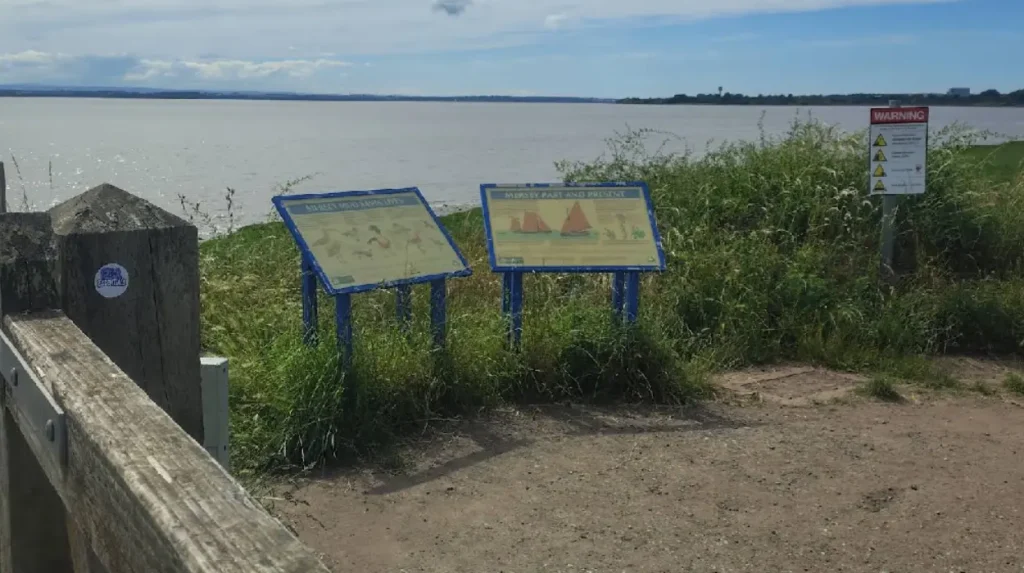
In the western section of the borough lies the picturesque village of Hale. The area features traditional thatched cottages, historic farmland, and the Hale Head Lighthouse. Built in 1838, the 45-foot brick tower stands on the shore of the Mersey Estuary, offering views across the water toward the Cheshire hills. The surrounding mudflats and saltmarshes form part of the Mersey Estuary Special Protection Area, which supports internationally significant populations of wintering wildfowl such as pintails, teal, and plovers.
How Does Halton Support Outdoor Activities and Recreation?
Halton supports outdoor recreation through extensive cycling networks, long-distance walking trails, canal towpaths, and public park facilities. The borough integrates historic infrastructure into modern leisure corridors accessible to walkers, cyclists, and families.
The Trans Pennine Trail passes directly through Halton, utilizing reclaimed railway lines and canal banks. Cyclists and walkers can follow signposted routes linking Spike Island, the Mersey Gateway crossing, and local nature reserves. The Bridgewater Canal towpath offers a flat, paved surface suitable for long-distance walking and recreational cycling. The route runs through Runcorn Old Town and extends eastward toward Preston Brook, passing historic locks, canal basins, and moored narrowboats.
Victoria Park in Widnes provides traditional urban park amenities across 14 hectares. Facilities include formal flower beds, a boating lake, a glasshouse, a butterfly house, and sports courts. Runcorn Town Park covers a larger footprint, featuring open meadows, woodland trails, and a miniature railway operation. These public spaces host seasonal community events, guided nature walks, and health initiatives designed to encourage active outdoor living for residents and visitors.
What Are the Transport Links and Logistics for Visitors?
Halton features robust transport infrastructure, including direct rail connections, major motorways, and international airport proximity. Located within the Liverpool City Region, the borough is straightforward to reach from major northern English cities.
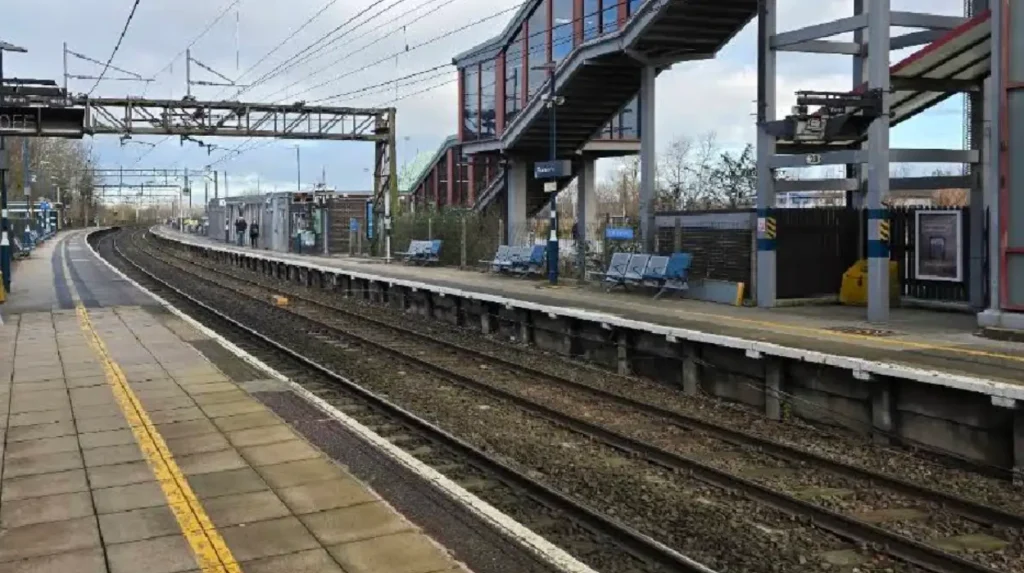
Runcorn Railway Station operates on the West Coast Main Line, providing direct train services to London Euston in under two hours. Regular regional rail services connect Runcorn and Widnes stations to Liverpool Lime Street and Manchester Piccadilly, with average journey times under 30 minutes. Road connections are supported by the M56 motorway to the south and the M62 motorway to the north, linking Halton directly to the national motorway network.
Local bus networks operated by Arriva North West and Stagecoach connect Widnes Old Town, Runcorn Shopping City, and surrounding villages. The Mersey Gateway and Silver Jubilee bridges utilize a free-flow tolling system called Merseyflow for vehicle crossings. Drivers must register online or pay tolls by midnight on the day following their journey to avoid penalty notices. Pedestrians and cyclists can cross the Silver Jubilee Bridge free of charge using dedicated paths. Liverpool John Lennon Airport sits adjacent to the borough boundary in Speke, providing international air links within a 15-minute drive.
Is Halton Worth Visiting for a Day Trip or Weekend Stay?
Halton is worth visiting for a day trip or weekend stay due to its high concentration of historical sites, accessible natural areas, and affordable cultural attractions. The borough provides an authentic look at the industrial heritage and ecological regeneration of North West England.
A standard day itinerary can cover key sites across both sides of the River Mersey. Visitors can spend a morning exploring the medieval ruins and walled garden at Norton Priory before visiting Halton Castle. After lunch in Runcorn Old Town, travelers can cross the Mersey to explore Spike Island and the glasshouses at Victoria Park. Visitors interested in literature can include a short trip to Daresbury village, the birthplace of Lewis Carroll, author of Alice’s Adventures in Wonderland.
The borough offers various accommodation options, including branded hotel chains near the M56 corridor, boutique guest houses, and traditional public houses. Local food options range from traditional pub meals in historic settings like Hale village to modern dining venues in Widnes town center. With lower accommodation costs compared to central Liverpool or Chester, Halton serves as a practical, central base for exploring the wider region.
Frequently Asked Questions
What is the best time of year to visit Halton?
The best time to visit Halton is between May and September when weather conditions are suitable for outdoor walks and park visits. Summer months allow full access to the walled gardens at Norton Priory and outdoor events at Spike Island. Winter months are ideal for birdwatchers visiting Wigg Island and the Mersey Estuary to see migratory wildfowl.
How do travelers pay the toll for the Mersey Gateway Bridge?
Travelers pay the bridge toll online through the official Merseyflow website, by phone, or at designated payzone retail outlets. Drivers must pay the charge by 11:59 PM on the day following their journey to avoid receiving a penalty charge notice. Local residents and eligible blue badge holders can register for discount schemes.
Is Norton Priory suitable for visitors with mobility needs?
Norton Priory features accessible facilities, including step-free access to the main museum building, paved pathways throughout the walled garden, and accessible restrooms. Wheelchairs are available for loan on site, and dedicated accessible parking spaces are located near the main entrance visitor center.
What connection does Halton have to Lewis Carroll?
Lewis Carroll, born Charles Lutwidge Dodgson, was born in the village of Daresbury within the Borough of Halton in 1832. Visitors can explore All Saints’ Church in Daresbury, which features a Lewis Carroll stained-glass window depicting characters from Alice’s Adventures in Wonderland.
Are there free attractions to visit in Halton?
Halton offers several free attractions, including Spike Island Park, Runcorn Hill Park, Wigg Island Nature Reserve, and Victoria Park. Walking along the Bridgewater Canal towpath and viewing the historic bridge structures also costs nothing, making the area budget-friendly for day visitors.