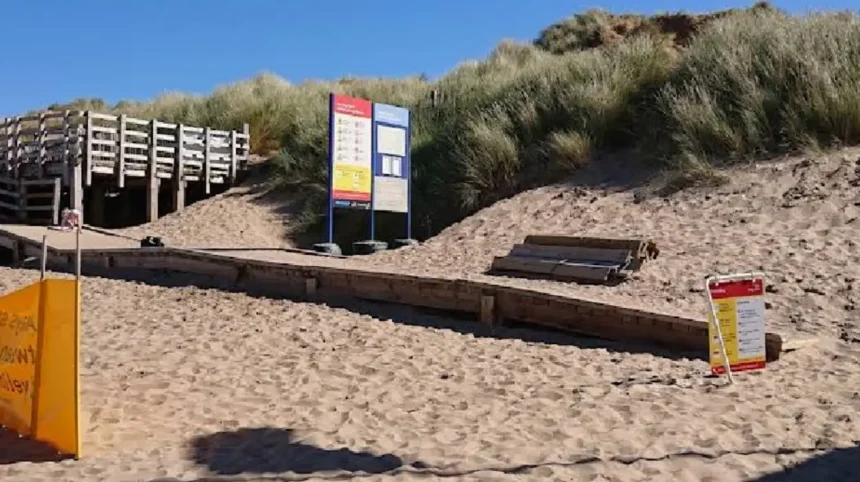
Visitors can park directly at the main National Trust car parks located at Victoria Road and Lifeboat Road, or use off-site options including Freshfield and Formby railway station car parks, as well as designated street parking areas nearby.
- What Are the Peak Hours and Queue Patterns at Formby Beach?
- How Much Does Parking Cost and What Are the Payment Methods?
- What Are the Parking Rules, Capacity Limits, and Vehicle Restrictions?
- What Alternative Transport Methods Help Avoid Formby Parking Queues?
- Frequently Asked Questions
- How early do I need to arrive at Formby Beach to get a parking spot on a sunny weekend?
- Can I park on the residential streets near Formby Beach for free?
- Is overnight parking or campervan camping allowed in the Formby Beach car parks?
- What happens if the Formby Beach car parks are completely full when I arrive?
- Are National Trust members required to pay for parking at Formby Beach?
The main parking facilities serving Formby Beach fall under the management of the National Trust. The Victoria Road car park sits adjacent to the rare woodland habitat and provides direct access to the red squirrel reserve before leading through the sand dunes to the shore. The Lifeboat Road car park offers expansive parking spaces closer to the southern expanse of the beach, positioned near the direct sandy tracks that cross the primary dune ridge. Both main sites feature automated barrier systems, pay and display machines, and digital payment methods managed through mobile applications. Capacity across these primary sites totals approximately one thousand vehicles under normal operational conditions.
When official beach car parks reach full capacity during high summer periods, alternative parking structures become essential for visitors arriving by private vehicle. Freshfield railway station and Formby railway station provide dedicated commuter parking lots located within a fifteen to twenty minute walking distance from the coastal entry points. Nearby residential areas maintain specific local parking restrictions, including seasonal permit zones enforced by Sefton Council to maintain road access for emergency vehicles. Visitors using railway parking contribute to reduced congestion on narrow coastal access roads while accessing the same public footpaths that lead to the coast.
What Are the Peak Hours and Queue Patterns at Formby Beach?
Peak congestion occurs between eleven in the morning and three in the afternoon on warm weekends, bank holidays, and summer school vacation days, often causing full capacity closures on main access roads by midday.
Queue formation follows predictable seasonal and meteorological patterns throughout the calendar year. Vehicle arrival rates begin to surge around ten in the morning on summer days when temperatures exceed twenty degrees Celsius. The limited infrastructure of Victoria Road and Lifeboat Road creates natural bottleneck points where inbound traffic meets outbound vehicles. During peak windows, queue times on access roads can extend past sixty minutes, leading local authorities to implement temporary road closures at the junctions with the main A565 dual carriageway to prevent total gridlock across Formby village.
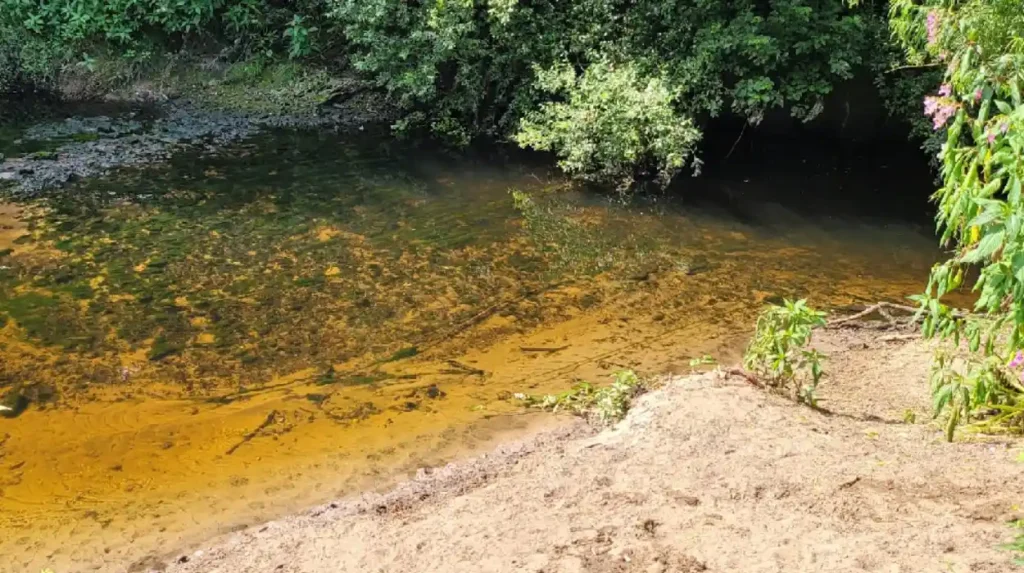
Traffic dissipation follows a structured timeline based on tidal variations and afternoon temperature drops. Outbound traffic peaks between four and six in the evening as day visitors depart simultaneously. The National Trust monitors space availability continuously and updates live digital signage along regional approach routes to warn motorists when sites reach total capacity. Arriving before nine thirty in the morning ensures immediate access to primary parking bays, while arriving after four in the evening provides lower crowd density and shorter queue delays during long summer daylight hours.
How Much Does Parking Cost and What Are the Payment Methods?
National Trust members park free by scanning a valid membership card, while non-members pay a flat daily rate of nine pounds per vehicle payable through cash, contactless card, or mobile apps.
Parking fee structures at Formby Beach maintain a simple flat daily rate system rather than hourly incremental charging. The standard daily parking fee applies to all standard passenger cars and non-commercial vehicles entering the Victoria Road or Lifeboat Road facilities. The revenue generated through these parking operations directly funds coastal conservation, habitat restoration for the endangered natterjack toad, and the maintenance of boardwalks across the mobile dune system. Scanners at entry barriers process National Trust membership cards to issue valid parking validation tickets automatically without additional fees.
Payment processing infrastructure supports multiple transaction methods to expedite vehicle entry and departure. Physical pay points accept contactless credit cards, debit cards, and exact cash payments. Mobile application payment platforms allow visitors to clear parking fees digitally, provided cellular connection is established prior to entering lower signal areas near the dunes. Drivers must display physical pay tickets or digital receipts clearly on vehicle dashboards where automated registration enforcement is absent. Failure to secure valid payment authorization results in civil parking penalty notices issued by site management contractors.
What Are the Parking Rules, Capacity Limits, and Vehicle Restrictions?
Facilities enforce strict capacity limits, height restriction barriers of two point one meters, prohibition of overnight camping, and mandatory parking within designated bays to protect ecosystems.
Capacity thresholds exist to prevent environmental degradation of the surrounding Site of Special Scientific Interest. The Victoria Road lot accommodates roughly three hundred and fifty vehicles, while the Lifeboat Road lot holds around six hundred vehicles when fully operational. Once these defined thresholds are reached, management teams close entry gates completely until a significant quantity of vehicles departs. Parking on grass verges, dune bases, or non-designated sandy tracks is strictly prohibited under local council bylaws and national conservation protection laws.
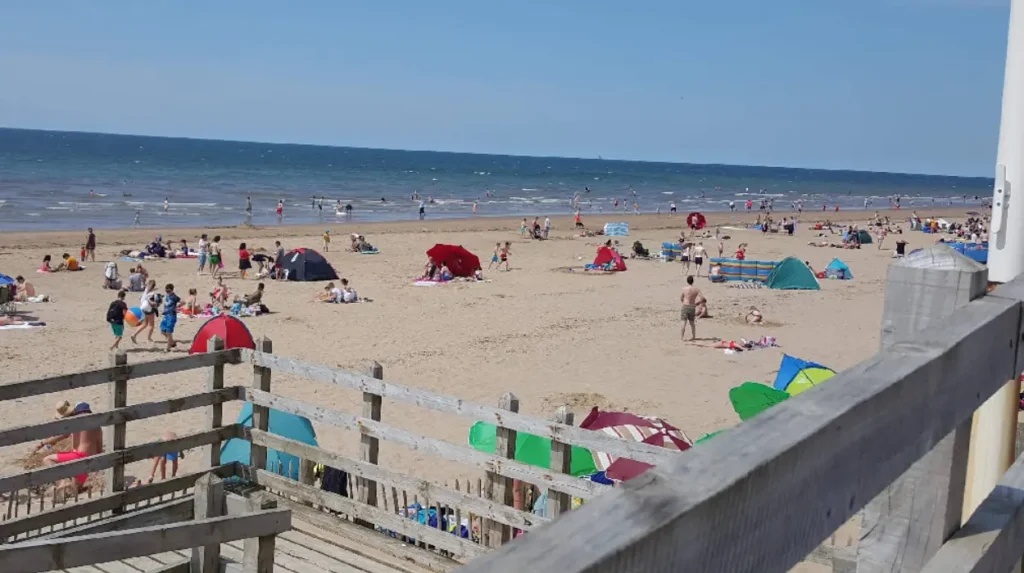
Physical vehicle restrictions prevent large commercial units and high clearance vehicles from accessing standard bays. Overhead barrier gantries set at two point one meters prevent motorhomes, campervans, and heavy goods vehicles from entering the primary coastal parking lots. Overnight parking, vehicle dwelling, and setting up camp are banned across all National Trust land to mitigate fire risks and human disturbance to nocturnal wildlife. Designated accessible bays exist near path entry points for drivers displaying valid Blue Badge permits, though standard payment rates still apply unless verified by specific local access agreements.
What Alternative Transport Methods Help Avoid Formby Parking Queues?
Merseyrail train services running to Formby and Freshfield stations provide direct access to the beach within a twenty-minute walking distance, avoiding all vehicular traffic delays completely.
Public rail infrastructure offers the most reliable alternative to driving during high-demand summer periods. The Northern Line of the Merseyrail network operates high-frequency train services linking central Liverpool and Southport directly to Freshfield station and Formby station. Trains run at fifteen-minute intervals throughout peak daytime hours on weekdays and weekends. Freshfield station sits less than one mile from the Victoria Road coastal path, allowing passengers to reach the dune trail via a paved, flat pedestrian pathway without navigating vehicular queue points.
Active travel options, including cycling and long-distance walking paths, link the coast with wider regional transport networks. The Trans Pennine Trail and National Cycle Network Route 62 pass directly through the Formby pine woods and coastal reserve, providing dedicated vehicle-free paths. Bike racks sit near the entrance points of both main car parks to secure bicycles safely. Utilizing public transportation or cycle routes eliminates parking fee costs entirely while completely bypassing the traffic congestion that regularly impacts the A565 access corridor during warm weather periods.
Frequently Asked Questions
How early do I need to arrive at Formby Beach to get a parking spot on a sunny weekend?
You should arrive before nine thirty in the morning to guarantee a parking space at Victoria Road or Lifeboat Road car parks. On warm summer weekends, access roads and car parks often hit maximum capacity by eleven in the morning, leading to full site closures.
Can I park on the residential streets near Formby Beach for free?
Parking on residential streets near the beach is heavily restricted by Sefton Council through seasonal permit schemes and yellow line enforcement. Parking illegally on these roads risks receiving a penalty charge notice and can obstruct emergency access to the coastline.
Is overnight parking or campervan camping allowed in the Formby Beach car parks?
No, overnight parking, campervan stays, and overnight camping are strictly forbidden across all Formby Beach car parks and National Trust property. Height restriction barriers of two point one meters are also installed at entrances to prevent large motorhomes from entering.
What happens if the Formby Beach car parks are completely full when I arrive?
When official car parks reach full capacity, police and marshals close the main access roads and redirect inbound traffic away from Formby. In these situations, you should divert to nearby rail stations like Formby or Freshfield or visit alternative beaches along the Sefton coast.
Are National Trust members required to pay for parking at Formby Beach?
National Trust members park for free at both Victoria Road and Lifeboat Road car parks by scanning their valid membership card at the barrier machines. Non-members must pay the flat standard daily rate of nine pounds upon arrival.