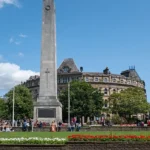

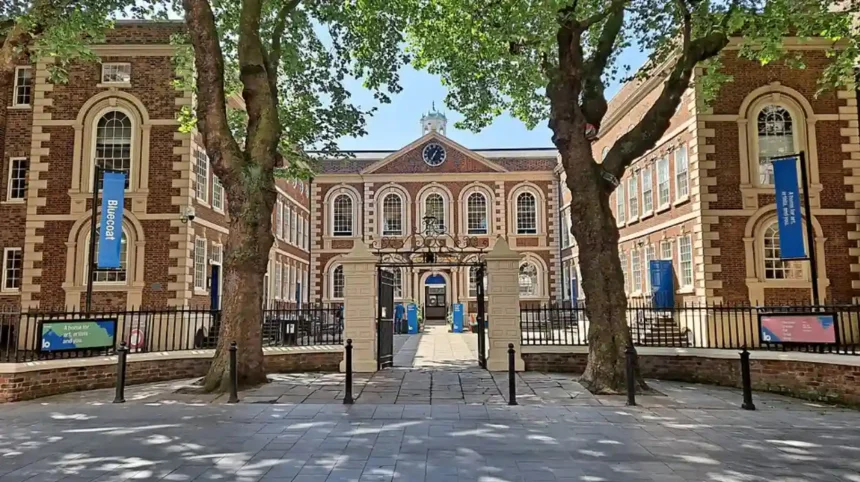
Allerton offers a suburban heritage experience focused on expansive parks, historic estates, and Beatles history, whereas Liverpool City Centre provides a high-density urban environment defined by maritime landmarks, large cultural institutions, commercial retail sectors, and active nightlife districts.
- How do the historical origins of Allerton compare to Liverpool City Centre?
- What are the main attractions to visit in Allerton?
- What are the key points of interest in Liverpool City Centre?
- How does the dining and nightlife scene compare between both areas?
- What are the public transport connections to and within each location?
- Frequently Asked Questions
Allerton sits approximately 3 miles southeast of central Liverpool within the L18 and L19 postcode districts. The township appears in the 1086 Domesday Book under the name Alretune, which translates from Old English as the alder enclosure. Liverpool City Centre occupies the central core along the eastern bank of the River Mersey. It traces its official municipal origins to a charter granted by King John in the year 1207.
The two locations serve distinct geographic and functional roles within Merseyside. Liverpool City Centre covers approximately 5 electoral wards with a resident population exceeding 36,000 people and hosts tens of millions of annual visits. Allerton functions primarily as a leafy residential district housing roughly 14,800 residents. Visitors seeking grand architecture, national museums, and commercial hubs navigate the city centre. Visitors looking for tranquil green spaces, suburban dining corridors, and early pop culture history navigate Allerton.
How do the historical origins of Allerton compare to Liverpool City Centre?
Allerton developed as an agricultural manor and elite residential retreat over centuries, whereas Liverpool City Centre expanded as an international maritime trading port and commercial center following its thirteenth-century royal charter.
Human activity in Allerton dates back to the Neolithic era between 4500 BC and 2500 BC, evidenced by the Calderstones megalithic burial monuments. The manor passed through prominent landowning families like the Lathoms in the fifteenth century, who constructed the original Allerton Hall. During the eighteenth and nineteenth centuries, wealthy merchants built grand estates away from the industrial smoke of urban areas. The parish maintained an agricultural character until its formal absorption into the county borough of Liverpool on November 9, 1913.
Liverpool City Centre grew rapidly following the construction of the world’s first commercial wet dock in 1715. The port became a crucial node in global transatlantic trade routes throughout the eighteenth and nineteenth centuries. The area experienced massive infrastructure developments, including the opening of the Royal Albert Dock in 1846, constructed using brick, stone, and cast iron. The city centre evolved into an administrative and cultural hub, earning European Capital of Culture status in 2008.
What are the main attractions to visit in Allerton?
Allerton contains significant green spaces, botanical collections, prehistoric monuments, and locations tied to the early lives and music of the Beatles.
Calderstones Park forms the primary green space in the district, covering 126 acres of woodland, lake, and Japanese gardens. The park houses the Calderstones, six sandstone blocks bearing prehistoric cup and ring markings protected inside a dedicated exhibition center. The grounds also contain the Allerton Oak, an ancient tree estimated to be around 1,000 years old. Other public parks in the immediate boundary include Allerton Tower Park and Clarke Gardens, which feature preserved estate woodlands and historical mansion remains.
Allerton Road serves as a major commercial strip featuring independent shops, cafes, and historic landmarks. The junction connecting Allerton Road, Penny Lane, and Smithdown Road represents the geographical setting inspired by the 1967 Beatles song Penny Lane. Visitors explore nearby sites such as Mendips on Menlove Avenue, the childhood home where John Lennon lived from 1945 to 1963, managed by the National Trust.
What are the key points of interest in Liverpool City Centre?
Liverpool City Centre features UNESCO-recognized waterfront architecture, major national galleries, commercial shopping centers, and iconic music venues.
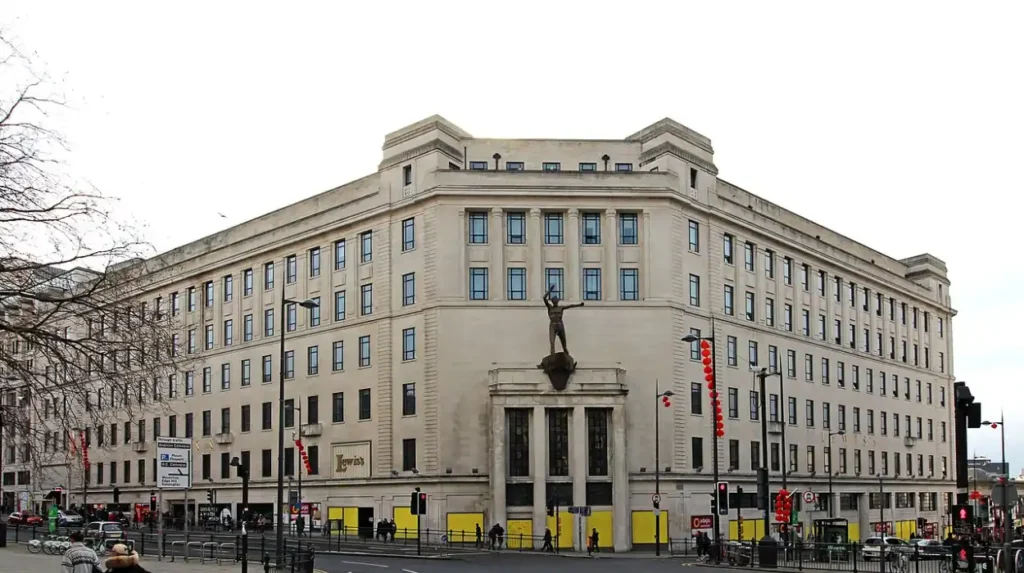
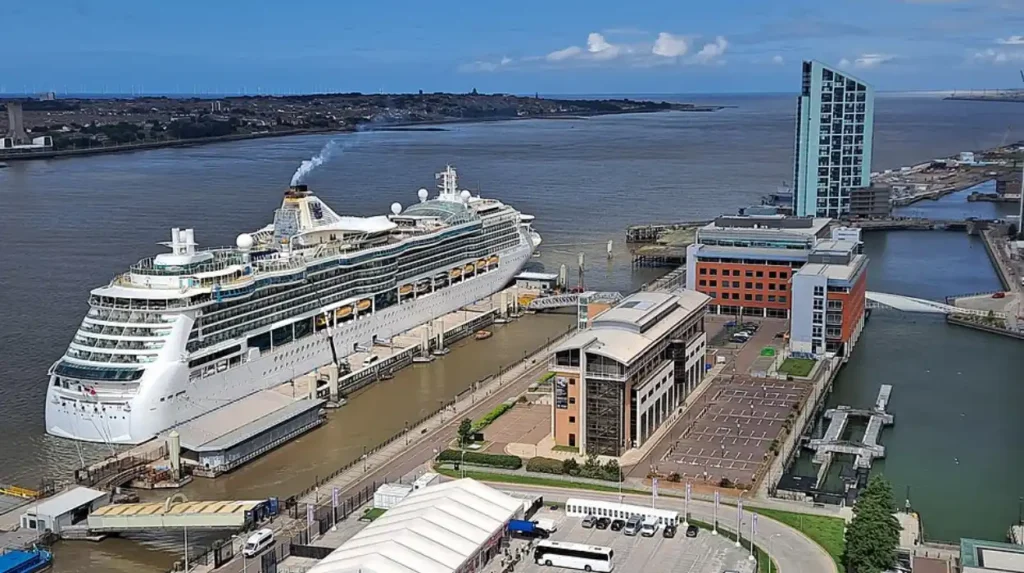
The Royal Albert Dock anchors the waterfront sector, hosting the Tate Liverpool gallery, the Merseyside Maritime Museum, and the International Slavery Museum. Nearby at Pier Head stand the Three Graces: the Royal Liver Building, the Cunard Building, and the Port of Liverpool Building. Commercial retail centers around Liverpool ONE, an open-air development spanning 42 acres that integrates shopping, dining, and public park spaces.
Cultural highlights include the Georgian Quarter along Hope Street, framed by two major cathedrals. The Anglican Liverpool Cathedral stands as the largest cathedral in the United Kingdom, while the Metropolitan Cathedral of Christ the King showcases modern architectural design. Mathew Street forms the center of the Cavern Quarter, housing the rebuilt Cavern Club where the Beatles performed 292 times between 1961 and 1963.
How does the dining and nightlife scene compare between both areas?
Liverpool City Centre presents high-density nightlife venues, large-scale entertainment complexes, and late-night clubs, while Allerton focuses on upscale neighborhood bistros, traditional public houses, and independent cafes.
Allerton Road hosts a concentrated dining corridor populated by independent operators. Establishments focus primarily on gastropub menus, artisanal bakery goods, and family-friendly dining. The night economy in Allerton closes earlier, catering mostly to local residents and small gatherings in relaxed lounge settings.
Liverpool City Centre operates a varied food and beverage industry that runs late into the night. Key dining and drinking districts include the Baltic Triangle, known for converted warehouse street food markets, and the Ropewalks area along Seel Street, known for cocktail bars. Concert Square provides open-air drinking plazas and multi-floor nightclubs. The city centre offers options ranging from Michelin-recommended fine dining in the Georgian Quarter to international eateries in Chinatown.
What are the public transport connections to and within each location?
Liverpool City Centre operates as the primary transportation node for the region, whereas Allerton is accessible via suburban rail links and local bus routes.
Liverpool Lime Street railway station connects the city centre directly to major UK destinations including London, Manchester, and Birmingham. The underground Merseyrail network serves the city core via Central, Moorfields, and James Street stations. Bus terminals at Queen Square and Liverpool ONE control regional routes.
Allerton connects to central Liverpool through suburban bus corridors running along Allerton Road and Smithdown Road, including the frequent 86 route series. Liverpool South Parkway rail station lies on the edge of Allerton, offering regular Merseyrail services to central stations in under 15 minutes, as well as direct connections to Liverpool John Lennon Airport.
Which destination is better suited for different visitor profiles?
First-time tourists seeking major historic landmarks choose Liverpool City Centre, whereas travelers desiring green spaces, Beatles suburban history, and quiet residential exploration choose Allerton.
Families with young children benefit from the open green lawns, playgrounds, and gentle walking paths found at Calderstones Park in Allerton. Pop culture enthusiasts visiting Liverpool specifically for Beatles history often split their itineraries between both sites, visiting Mathew Street in the center and Penny Lane or Mendips in Allerton.
Shoppers, architectural enthusiasts, and short-stay weekend visitors prefer the city centre due to the close proximity of museum clusters, hotels, and retail centers. The city centre allows visitors to walk between major attractions within 10 to 20 minutes. Allerton requires vehicle transport or public transit travel from central hotel districts.
Frequently Asked Questions
How far is Allerton from Liverpool City Centre?
Allerton is located approximately 3 miles southeast of Liverpool City Centre. The journey takes around 10 to 15 minutes by suburban train from Liverpool South Parkway or 20 to 30 minutes via local bus routes running along Allerton Road.
Is Allerton a good area for Beatles fans to visit?
Allerton contains iconic Beatles landmarks including Penny Lane, the Allerton Road commercial area, and nearby childhood homes like John Lennon’s house, Mendips. It provides a quiet, authentic look into the suburban locations that inspired early Beatles music.
Can you visit both Allerton and Liverpool City Centre in one day?
Visiting both areas in a single day is easily manageable using local public transport. Travelers can spend the morning exploring museums and docks in the city centre, then take a short train or bus ride to Allerton for afternoon parks and suburban dining.
Which area has better park spaces, Allerton or Liverpool City Centre?
Allerton offers far larger green spaces, dominated by the 126-acre Calderstones Park, Allerton Tower Park, and Clarke Gardens. The city centre features smaller urban parks and waterfront plazas like Chavasse Park inside Liverpool ONE.
What is the best way to get to Allerton from Lime Street Station?
The most direct route is taking a Merseyrail train from Lime Street or Central Station to Liverpool South Parkway, followed by a short bus ride or walk. Alternatively, the 86 bus series runs directly from central Liverpool to Allerton Road.