Choosing between Woolton and Liverpool City Centre for a trip depends entirely on whether visitors prefer a quiet, historic village atmosphere or an energetic, central urban environment filled with major attractions. Woolton is a leafy suburb situated in the south of Liverpool, located approximately six miles from the main commercial core, and is celebrated globally for its deep connections to the early days of The Beatles. Liverpool City Centre serves as the beating heart of Merseyside, housing the commercial district, the waterfront, major museums, shopping complexes, and an extensive concentration of hotels and nightlife venues. Understanding these geographical and cultural variations allows travellers to align their accommodation and itinerary choices with their specific holiday priorities.
- How Do Accommodation Options And Costs Compare Between Woolton And Liverpool City Centre
- What Historic And Cultural Attractions Define Woolton Versus Liverpool City Centre
- How Accessible Are Transportation Links From Woolton Compared To The City Centre
- What Dining And Nightlife Experiences Can Visitors Expect In Woolton And Liverpool City Centre
- Frequently Asked Questions
- What are the best months to visit Woolton and Liverpool City Centre for good weather?
- How do I travel from Liverpool City Centre to Woolton using public transport?
- Is it necessary to rent a car when staying in Liverpool City Centre?
- Can I visit all major Beatles attractions if I stay in Woolton?
- Which area is more suitable for families travelling with young children?
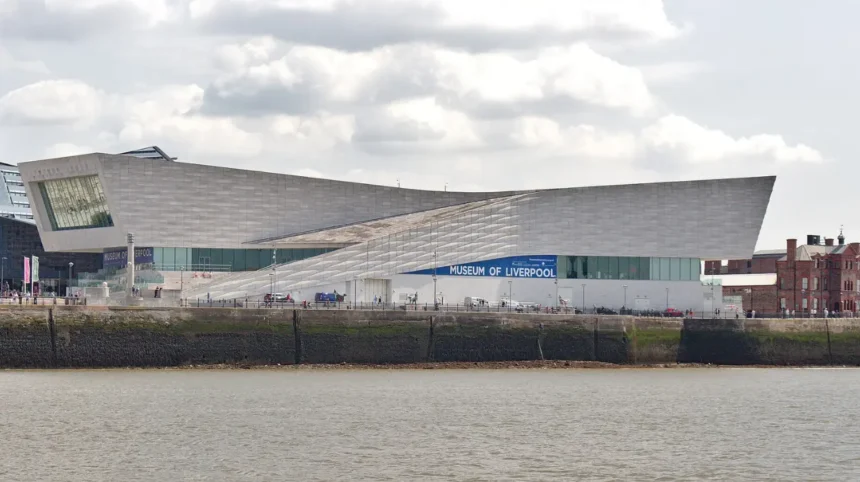
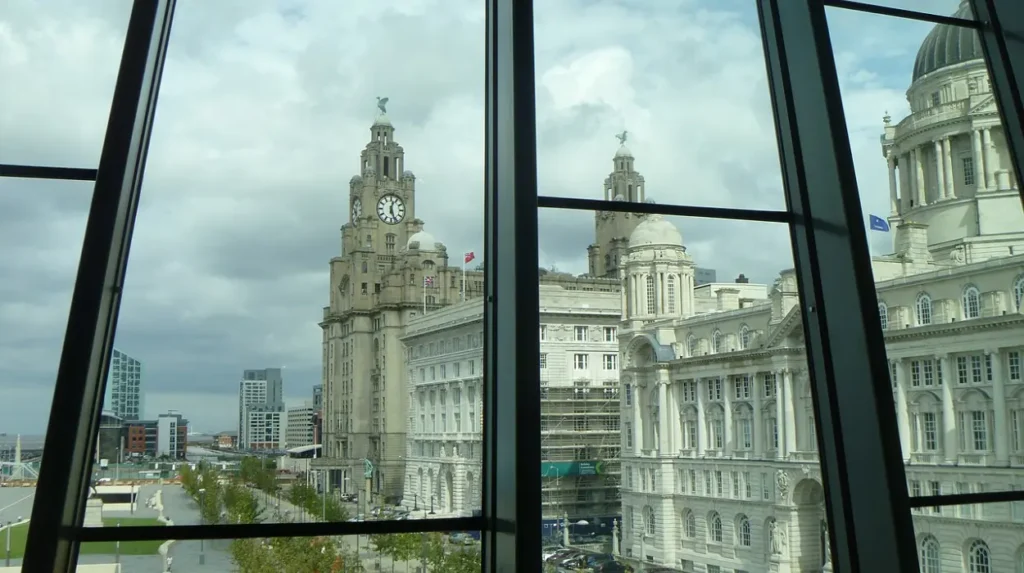
Woolton functions as an affluent residential area retaining a distinct village feel, featuring historic sandstone buildings, independent shops, and green spaces like Woolton Woods. Conversely, Liverpool City Centre represents a bustling metropolitan hub characterised by iconic architecture, such as the Royal Liver Building at the Pier Head, and world-class cultural institutions like the Museum of Liverpool. Visitors basing themselves in Woolton experience a slower pace of life, traditional British pubs, and proximity to specific heritage sites where John Lennon and Paul McCartney first crossed paths. Meanwhile, staying in the city centre places travellers within immediate walking distance of the Royal Albert Dock, Liverpool ONE shopping district, and dozens of transport links connecting to the wider region.
The urban infrastructure of Liverpool City Centre is designed for high foot traffic and maximum convenience, offering dense networks of buses, Merseyrail train stations, and pedestrianized zones. In contrast, Woolton relies on suburban bus routes and nearby railway stations like Liverpool South Parkway, requiring a commute of twenty to thirty minutes to reach downtown landmarks. Accommodation styles also differ significantly across both locations, with the city centre providing large chain hotels, aparthotels, and budget lodgings, while Woolton offers boutique guesthouses, bed and breakfasts, and traditional residential rentals. Evaluating these fundamental structural differences ensures that first-time visitors and returning tourists alike can select the environment that best matches their daily travel style.
How Do Accommodation Options And Costs Compare Between Woolton And Liverpool City Centre
Accommodation availability and pricing vary substantially between Woolton and Liverpool City Centre, directly influencing travel budgets and logistical planning for overnight visitors. Liverpool City Centre features thousands of hotel rooms ranging from international luxury brands like the Hilton and Radisson Blu to budget-friendly chains such as Premier Inn and Ibis. Average nightly rates in the city centre fluctuate based on seasonal demand, major football fixtures at Anfield or Goodison Park, and large cultural events, typically ranging from seventy to one hundred and fifty pounds per night. This high concentration of lodging creates competitive pricing and gives travellers immense flexibility regarding room types and board options.
Woolton offers a more limited, intimate selection of accommodation choices, dominated by upscale guest houses, independent bed and breakfasts, and private holiday apartments. Because the suburb lacks large commercial hotels, options tend to book out quickly during peak tourist seasons or university graduation periods. Nightly rates in Woolton often reflect its affluent suburban status, where visitors pay a premium for quiet surroundings, historic character, and free residential parking. Travellers driving vehicles frequently find Woolton more accommodating due to the scarcity and high cost of overnight parking structures within the bustling central business district.
Evaluating the financial and practical aspects of lodging requires examining auxiliary expenses such as local transport and dining access. City centre hotels eliminate daily transit costs for travellers focusing on central museums, restaurants, and nightlife, as major venues remain within a ten to fifteen minute walk. Staying in Woolton introduces daily bus or taxi fares for trips into town, though visitors save money on parking if they bring a car. Ultimately, budget-conscious backpackers and urban explorers generally find better value in the city centre, whereas couples and families seeking peace and historic charm prefer Woolton guesthouses.
What Historic And Cultural Attractions Define Woolton Versus Liverpool City Centre
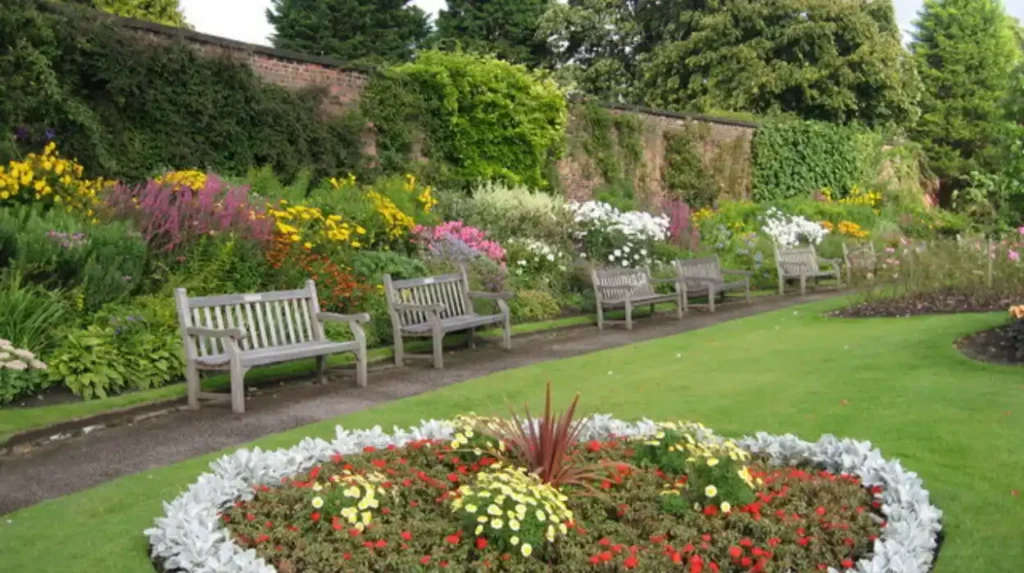
The cultural footprint of Woolton is inextricably linked to music history, architectural heritage, and literary connections that shaped twentieth-century British popular culture. Woolton Village houses St Peter Church hall, the famous site where sixteen-year-old John Lennon met fifteen-year-old Paul McCartney on July six, nineteen fifty-seven, during a village fete. Visitors flock to this south Liverpool suburb to view Strawberry Field, the Salvation Army children’s home immortalised in Beatles lore, and Penny Lane, a prominent suburban street celebrated worldwide. Additional local landmarks include Woolton Picture House, which stands as one of the oldest continuously operating single-screen cinemas in the United Kingdom, and the historic Reynolds Park.
Liverpool City Centre commands a vastly broader array of cultural attractions, spanning maritime history, international art galleries, and modern entertainment venues across compact districts. The Royal Albert Dock serves as home to the Tate Liverpool art gallery and The Beatles Story museum, chronicling the meteoric rise of the legendary rock band. A short walk away stands the Pier Head, flanked by the iconic Three Graces, which include the Royal Liver Building, the Cunard Building, and the Port of Liverpool Building. Furthermore, the city centre anchors two magnificent cathedrals, the Gothic-revival Liverpool Cathedral and the modernist Metropolitan Cathedral, connected by the historic Hope Street.
Comparing the sightseeing experiences reveals a stark contrast between niche heritage exploration and expansive metropolitan tourism within a relatively small geographic footprint. Woolton offers a deep, localized dive into suburban Beatles history and Victorian architecture, making it a pilgrimage site for dedicated music enthusiasts. Liverpool City Centre delivers an all-encompassing urban itinerary where visitors can transition from maritime exhibitions to premier shopping and live music venues within minutes. Both locations contribute vital pieces to the regional identity, allowing tourists to combine central urban exploration with a peaceful afternoon trip to south Liverpool.
How Accessible Are Transportation Links From Woolton Compared To The City Centre
Navigating to and around Liverpool from either Woolton or the city centre involves distinct transport networks, varying journey times, and different levels of convenience. Liverpool City Centre functions as the primary transportation nexus for the entire Liverpool City Region, anchored by Liverpool Lime Street railway station. Lime Street provides direct, high-speed Avanti West Coast and TransPennine Express rail services to London Euston, Manchester, Birmingham, and Newcastle. Additionally, local Merseyrail underground lines and extensive bus terminals at Liverpool ONE and Queen Square grant seamless mobility without requiring a personal vehicle.
Woolton relies primarily on regional bus routes operated by companies like Arriva UK, alongside proximity to major transport interchanges such as Liverpool South Parkway. Bus journeys from Woolton Street to the city centre take approximately forty minutes, while combined train and bus routes via Hunts Cross shorten transit times to around thirty minutes. For motorists, Woolton offers straightforward access to regional arterial routes like the East Lancashire Road and the wider motorway network, avoiding the congested inner-ring roads of the downtown area. Parking in Woolton is generally free on residential streets, whereas central car parks charge daily fees ranging from ten to twenty pounds.
Choosing between the two locations based on transit efficiency depends heavily on whether a visitor plans to utilize public rail networks or rent a car. Tourists arriving via air at Liverpool John Lennon Airport find Woolton geographically closer, reducing taxi or bus transfer times significantly compared to a full cross-city journey. Conversely, travellers arriving by train at Lime Street step immediately into the urban core, rendering the city centre far more convenient for car-free itineraries. Assessing these logistical factors ensures smooth daily travel schedules throughout any extended holiday or weekend break.
What Dining And Nightlife Experiences Can Visitors Expect In Woolton And Liverpool City Centre
Dining and nightlife options in Woolton and Liverpool City Centre reflect their contrasting scales, offering everything from intimate neighbourhood bistros to bustling cosmopolitan entertainment districts. Woolton village centre features a curated collection of independent restaurants, cosy cafés, and traditional British pubs clustered around high street storefronts. Notable local establishments include upscale dining venues, artisan bakeries, and historic pubs like The White Horse, providing a relaxed, community-centric evening atmosphere. Nightlife in Woolton winds down relatively early, focusing on conversation, cask ales, and seated dining rather than late-night clubbing or high-energy concerts.
Liverpool City Centre boasts a world-class culinary and nightlife scene, encompassing Michelin-recommended restaurants, vibrant street food markets at Duke Street and Baltic Market, and historic drinking dens. The legendary Cavern Quarter on Mathew Street draws live music fans nightly, celebrating the birthplace of Merseybeat culture with continuous acoustic performances and tribute acts. Bold Street showcases an eclectic mix of independent global eateries, ranging from Middle Eastern grills to vegan cafés, catering to diverse dietary preferences and late-night crowds. Nightlife districts extend across Ropewalks and Concert Square, ensuring endless options for visitors seeking bars, clubs, and live entertainment.
Dining preferences ultimately dictate which location provides a superior experience for food and evening leisure during a Merseyside trip. Visitors seeking romance, quiet charm, and artisanal gastro-pubs find Woolton’s village dining scene exceptionally satisfying and unpretentious. Travellers craving culinary diversity, trendy cocktail bars, and legendary live music heritage will thrive in the fast-paced environment of Liverpool City Centre. Both areas maintain high standards of hospitality, ensuring that visitors enjoy exceptional food regardless of whether they stay in the leafy suburbs or the downtown core.
Frequently Asked Questions
What are the best months to visit Woolton and Liverpool City Centre for good weather?
The ideal months to visit both Woolton and Liverpool City Centre are between May and September, when daytime temperatures are mildest and daylight hours are longest. During this summer window, outdoor attractions like Woolton Woods, Strawberry Field gardens, and the Liverpool waterfront are fully accessible and vibrant. Rainfall can occur throughout the year in northwest England, so packing a lightweight waterproof jacket remains essential regardless of the season.
How do I travel from Liverpool City Centre to Woolton using public transport?
Travellers can reach Woolton from the city centre by boarding the Arriva number seventy-five bus directly from the Liverpool ONE bus station. The direct bus journey takes approximately forty-two minutes and operates at regular intervals throughout the day. Alternatively, taking a Merseyrail train from central stations to Hunts Cross and connecting via a short local bus ride reduces total transit time to around thirty minutes.
Is it necessary to rent a car when staying in Liverpool City Centre?
Renting a car is unnecessary and often impractical when staying directly within Liverpool City Centre due to pedestrianized zones and expensive parking fees. The compact nature of the downtown core allows visitors to walk between the Royal Albert Dock, museums, shopping districts, and restaurants easily. Public transport networks, including Merseyrail trains and inexpensive local buses, provide comprehensive coverage for journeys outside the immediate centre.
Can I visit all major Beatles attractions if I stay in Woolton?
Staying in Woolton places visitors directly next to specific legendary Beatles sites such as St Peter Church hall, Strawberry Field, and Penny Lane. However, other major landmarks like the Cavern Club, The Beatles Story museum, and the childhood homes of John Lennon and Paul McCartney require travel into the city centre or suburban south Liverpool. Combining a stay in Woolton with a dedicated taxi tour or central day trip ensures complete coverage of all primary Fab Four locations.
Which area is more suitable for families travelling with young children?
Woolton is generally considered more suitable for families seeking a quiet, peaceful environment with low traffic, abundant green spaces, and relaxed residential surroundings. Liverpool City Centre also welcomes families with interactive museums like World Museum and the Museum of Liverpool, but it introduces bustling crowds, higher street noise levels, and complex urban navigation.