

Key Points
- Members of a Vietnamese people-smuggling syndicate responsible for helping illegal entrants into the UK have been jailed at Liverpool Crown Court.
- FIVE men were jailed for a total of 39 years and seven months.
- Vinh Van Nguyen has been jailed for 12 years and six months following his conviction by a jury.
- Quang Van Nguyen received nine years and nine months.
- Van Huy Nguyen has been jailed for seven years and two months.
- Lia-Chien Trong was jailed for six years, and Sy Trai Ho received a jail term of four years.
- The syndicate was linked to the transfer of more than £1.65m to accounts in Vietnam through 740 transactions.
- The transactions occurred between July 2024 and October 2025 via Western Union, Ria Money Transfer and MoneyGram.
- A nail bar in the Wrexham area was identified as collecting cash related to the investigation.
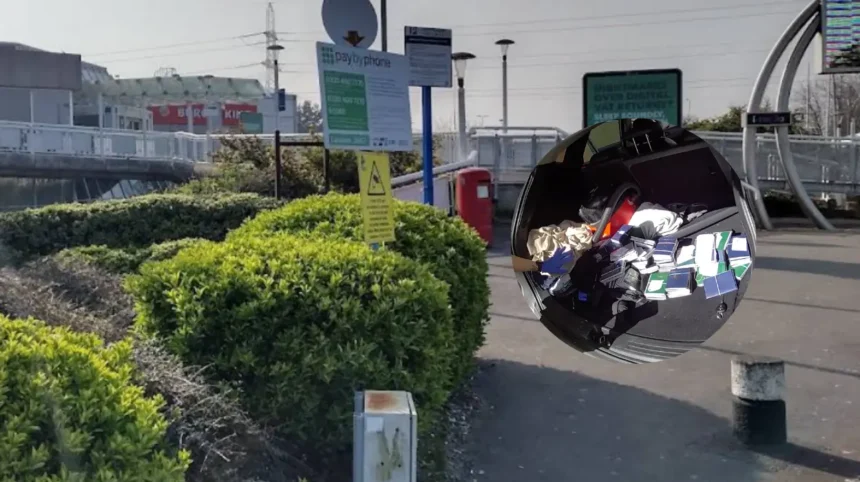
- Officers recovered Vietnamese passports, cash, money transfer receipts and a blood-stained Argentina football shirt with Trong’s DNA in it.
- According to investigators, migrants were put into work places under “debt bondage” as a way of paying back the costs of bringing them into the UK.
- Messages found on phones included the use of the terms “chickens,” as well
Liverpool Crime (Liverpool standard) September 15, 2026 – The National Crime Agency (NCA) has announced that five members of a Vietnamese people-smuggling group have been jailed after an investigation uncovered migrant routes, cash collections, passport movements and more than £1.65 million in transfers to Vietnam.
- Key Points
- What evidence linked the defendants to migrant smuggling?
- What did investigators find on Vinh’s phone?
- How much money did the network transfer?
- When were the men arrested and convicted?
- What did the National Crime Agency say?
- What is the background to the development?
- How could the sentences affect communities and future investigations?
The sentences were handed down at Liverpool Crown Court on Tuesday, September 15. Vinh Van Nguyen received 12 years and six months in prison, Quang Van Nguyen was sentenced to nine years and nine months, Van Huy Nguyen received seven years and two months, Lia-Chien Trong was jailed for six years and Sy Trai Ho was sentenced to four years.
According to the NCA, the men were involved in a conspiracy to facilitate the illegal entry of Vietnamese migrants into the UK. Investigators also linked the group to the transfer of criminal property and financial activity associated with the operation.
The NCA said the combined prison terms amounted to 39 years and seven months. The agency described the case as evidence of how organised immigration crime groups can combine people-smuggling arrangements with money transfers, document handling and the exploitation of migrants after their arrival.
The investigation began to develop around a white Vauxhall Astra used by Vinh, Ho and Trong before their arrests. Officers observed the vehicle travelling from Coventry to a nail bar in the Wrexham area, where cash was collected.
The vehicle later stopped at an Asda store in Wigan. The NCA said Trong and Ho attempted to transfer money through Western Union. When the men were arrested, officers found approximately £4,000 in cash. Vinh was found with more than £13,400 and eight Vietnamese passports inside the vehicle.
Some of the passports were accompanied by Post Office cash-deposit receipts. Officers also found cash inside a blue bag which, according to the NCA, Trong and Vinh had collected from the Wrexham nail bar.
What evidence linked the defendants to migrant smuggling?
The NCA said receipts recovered from the vehicle led investigators to numerous transfers made at Post Offices in Coventry, Luton, Wigan, Liverpool, Leeds, Leamington Spa and Rugby.
Further investigation linked most of those transactions to members of the group, including Vinh, Ho, Huy, Trong and Quang. The transfers covered a 15-month period from July 2024 to October 2025.
The agency said forensic examination of a bag found inside the vehicle provided further evidence against Trong. The bag contained several passports wrapped in a bloodstained Argentina football shirt. Forensic analysis found Trong’s DNA on the shirt.
Quang’s phone was also examined by investigators. The NCA said it contained messages concerning people-smuggling offences. In one exchange with an individual identified as “Bao”, Quang received an image of a Romanian-registered lorry and a ferry booking for another vehicle.
The NCA said both vehicles entered the UK on July 18, 2025, before travelling in convoy to Thurrock Services on the M25. Messages between Quang and Bao allegedly included discussion about the men being underpaid for their involvement.
Other exchanges between Quang and a person identified as “Alex” referred to the movement of “chickens”. Investigators said the word was used as slang for migrants. The messages also discussed the prices charged for arranging their movement.
Facebook messages between Quang and Trong contained screenshots of nail-salon addresses, together with the names and dates of birth of Vietnamese nationals. The NCA said some of those details related to passports seized on September 11.
According to the agency, the evidence indicated that migrants were placed in workplaces under “debt bondage” arrangements. Under those arrangements, migrants were allegedly required to work to repay money linked to their illegal entry into the UK.
What did investigators find on Vinh’s phone?
The NCA said Vinh’s phone contained conversations believed to concern the movement of migrants through Hungary. The material allegedly included references to routes, flights, passports, addresses close to migrant safehouses in France and lifejackets.
Communication through the Zalo messaging application between Vinh and Huy was also examined. Investigators said Huy used the handle “Gucci” and that the conversations involved the movement of people and travel routes.
The NCA said one exchange advertised a route from Vietnam to the UK at a cost of $20,000 per person.
A Facebook Messenger conversation between Vinh and another individual, covering the period from October 2024 to July 2025, also referred to bringing “chickens” to the UK.
In one message quoted by the NCA, Vinh wrote: “I DON’T HAVE A JOB YET BUT SOON I HAVE CHICKENS THAT I WANT TO BRING TO THE UK BY TRUCK […] IT’S WINTER NOW AND IT’S DANGEROUS TO GO BOATING SO I DON’T ACCEPT CHICKENS ANYMORE…”
The agency said Vinh’s phone contained repeated searches on Windy.com, a website that provides weather information and visualised data on wind and waves. Investigators found that the website had been accessed 99 times over 61 days.
The searches were presented as part of the wider evidence concerning possible planning for Channel crossings and other routes. The NCA said the material demonstrated the range of information being monitored by the group.
How much money did the network transfer?
Production orders were served on Western Union, Ria Money Transfer and MoneyGram following the arrests.
The NCA said records from the companies showed that the defendants had transferred more than £1.65 million across 740 transactions to accounts in Vietnam between July 2024 and October 2025.
The transactions were identified through Post Office locations and other money-transfer services. Investigators said the financial evidence helped connect the cash found in the vehicle and at the nail bar with the wider operation.
Trong’s phone allegedly contained notes detailing monetary amounts, Post Office locations and banking information. In one chat, the NCA said, Trong wrote: “OVER HERE WE SEND PAPERS TO VIETNAM, CALLED MONEY LAUNDERING.”
The wording was included in the evidence presented during the proceedings. The NCA linked the messages and financial records to the broader allegation that the group was transferring proceeds connected to organised immigration crime.
The agency did not state that every transaction was necessarily linked to an individual migrant journey. However, it said the scale and pattern of the payments were consistent with the operation being investigated.
When were the men arrested and convicted?
NCA officers arrested Vinh, Ho and Trong in Coventry on October 1, 2025. The agency said the three men were arrested again in February 2026, when Huy was arrested for the first time.
The arrests followed the surveillance of the white Vauxhall Astra and the alleged cash collection at the Wrexham-area nail bar. The vehicle movements, cash, passports and money-transfer receipts formed part of the evidence gathered by investigators.
Vinh was convicted by a jury at Liverpool Crown Court on August 25, 2026, following a two-week trial.
Quang and Trong had pleaded guilty at earlier hearings. Ho and Huy changed their pleas to guilty shortly after the trial began.
All five men were sentenced at Liverpool Crown Court on September 15, 2026.
The sentences were:
| Defendant | Sentence |
|---|---|
| Vinh Van Nguyen | 12 years and six months |
| Quang Van Nguyen | Nine years and nine months |
| Van Huy Nguyen | Seven years and two months |
| Lia-Chien Trong | Six years |
| Sy Trai Ho | Four years |
The NCA’s announcement did not identify any additional convictions or sentences involving people outside the five defendants named in the case.
What did the National Crime Agency say?
NCA branch commander Sara-Jayne Moore said the group had transported migrants for profit and referred to the language allegedly used by the defendants when discussing people.
“This group had no qualms about transporting migrants for profit, as shown by the heartless language used to describe their human cargo,”
Moore said.
She added that the number of passports seized by the NCA and its policing partners demonstrated the scale of the operation overseen by Quang and Vinh.
“Migrants faced further misery on their arrival to the UK, with many working in the grey economy under ‘debt bondage’ arrangements,”
Moore said.
Moore also said the NCA would continue working with overseas partners, including authorities in France and Belgium, to pursue organised immigration crime groups and bring those responsible before the courts.
The NCA said tackling organised immigration crime remains a top priority. The agency stated that it is committing more resources to targeting criminal networks involved in people smuggling and that this has contributed to increases in seizures, arrests and disruptions.
The agency currently has more than 100 investigations under way into individuals or networks suspected of involvement in people smuggling.
The Wrexham Leader also reported that the Wrexham-area nail bar was linked to the alleged cash-collection activity, while the Wigan Today report highlighted the attempted Western Union transfer at an Asda store in Wigan. Both reports reflected details released in connection with the NCA investigation.nationalcrimeagency+2
What is the background to the development?
The case forms part of the NCA’s wider work against organised immigration crime. Rather than focusing only on the movement of people across borders, investigators examined the alleged financial structure supporting the operation, including cash collections, money-transfer services, passports, online communications and workplace arrangements.
The evidence described by the NCA covered several locations across England and parts of Europe. Coventry was connected to the arrests and vehicle surveillance. Wrexham was linked to the alleged collection of cash at a nail bar. Wigan, along with other towns and cities, appeared in the records of Post Office transactions.
The investigation also examined alleged routes through Hungary and France, possible lorry journeys, ferry bookings and references to Channel conditions. The NCA said its cooperation with international partners was important because people-smuggling networks often operate across several countries.
The agency’s statement did not claim that every Vietnamese national whose details appeared in the messages was knowingly involved in criminal activity. The information concerned evidence seized and examined during the investigation into the five convicted men.
How could the sentences affect communities and future investigations?
For communities in Coventry, Wrexham, Wigan and the other locations named in the case, the development is likely to increase attention on the use of legitimate businesses, money-transfer services and public facilities by organised crime groups. The case shows how investigators may connect apparently separate activities, such as cash deposits, vehicle journeys, passport possession and online messages.
For Vietnamese migrants and other people vulnerable to exploitation, the NCA’s account highlights the risks associated with paying criminal networks to arrange illegal entry. The agency said some migrants were subsequently placed in workplaces under debt-bondage arrangements, meaning the consequences allegedly continued after they reached the UK.
For law-enforcement agencies, the convictions may support continued use of financial records, mobile-phone analysis, forensic evidence and international cooperation in people-smuggling investigations. The 740 transfers and more than £1.65 million identified in this case also demonstrate why money-transfer businesses can be significant sources of evidence.