

Key Points
- FC St Helens have been knocked out of the FA Cup Extra Preliminary Round following a 1-2 replay loss against North Ferriby on Tuesday, 11 August 2026.
- Luke Byron netted his debut goal for FC St Helens to hand the home team an early advantage in the replay.
- FC St Helens ended up with 10 men on the field following a red card that made matters worse for them.
- North Ferriby recovered from behind to win 2-1, scoring both their goals before halftime in the replay after ending up level at 2-2 in the first game played on 8 August.
- This marks the end of the FA Cup 2026-27 season for FC St Helens at the first stage while North Ferriby moves to the next qualification round.
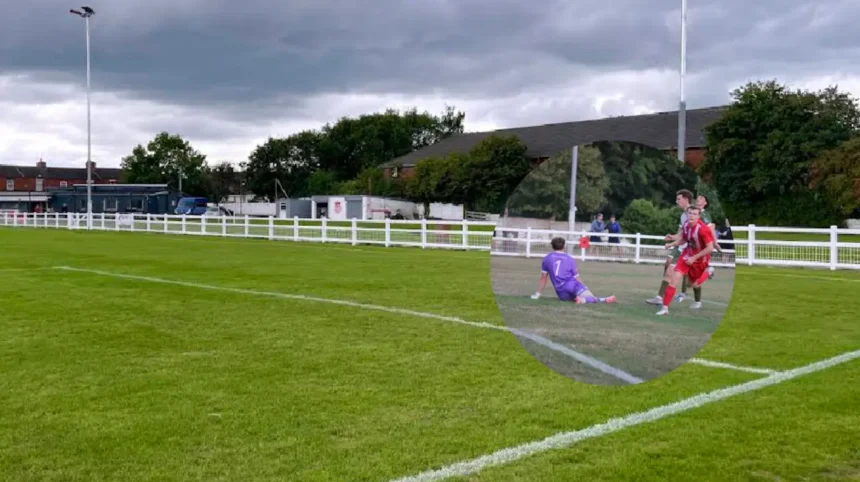
St Helens (Liverpool standard) August 13, 2026 – FC uk/local/st-helens/">St Helens’ FA Cup journey ended in disappointment as they fell 1-2 to North Ferriby in an Extra Preliminary Round replay at the K Welding Stadium, despite taking an early lead through Luke Byron’s first goal for the club. The visitors from East Yorkshire recovered from going behind to secure progression, capitalising on a numerical advantage after FC St Helens were reduced to 10 men during the contest.
- Key Points
- How did the FA Cup replay between FC St Helens and North Ferriby unfold?
- Why did FC St Helens lose to North Ferriby in the FA Cup replay?
- What was the context leading up to the FA Cup replay?
- What does the FA Cup exit mean for FC St Helens and North Ferriby?
- Background of the FA Cup development
- Prediction: How this development can affect FC St Helens supporters and the local community
The outcome marks a swift exit for the Merseyside side from England’s premier knockout competition, while North Ferriby advance to face the winner of Frickley Athletic versus Campion in the next stage of the qualifying pathway.
How did the FA Cup replay between FC St Helens and North Ferriby unfold?
FC St Helens started brightly in the replay and were rewarded in the first half when Luke Byron found the net to open the scoring, marking his first goal since joining the club. According to match data, the goal came around the 35th minute, giving the home supporters cause for optimism as they looked to overturn the 2-2 stalemate from the initial encounter in North Ferriby on 8 August.
North Ferriby responded before the interval, levelling through a goal recorded at 42 minutes in match timelines, ensuring the teams went into the break on level terms. The second half saw the visitors gain the upper hand, with an 88th-minute strike putting North Ferriby ahead for the first time in the replay and ultimately proving decisive. FC St Helens were unable to find an equaliser in the closing stages, with their task made harder after a player was sent off, leaving them to see out the match with 10 men.
Why did FC St Helens lose to North Ferriby in the FA Cup replay?
The combination of conceding late in the match and playing a portion of the contest with a numerical disadvantage proved too much for FC St Helens to overcome. While Luke Byron’s opener gave them a platform, North Ferriby’s ability to respond before half-time and then score a late winner demonstrated their resilience and clinical finishing when opportunities arose.
The red card incident shifted momentum firmly in North Ferriby’s favour, restricting FC St Helens’ ability to press for a winner and forcing them into a more defensive posture. Match summaries indicate the visitors managed the game effectively after taking the lead, seeing out the remaining minutes to secure a 2-1 victory and progression.
What was the context leading up to the FA Cup replay?
The replay was necessitated by a 2-2 draw in the original Extra Preliminary Round tie at North Ferriby’s Versa Sportswear Stadium on 8 August 2026. In that match, FC St Helens took an early lead through a Tom Scarborough curling strike, only for North Ferriby to respond quickly via Lewis Dennison. The home side then went ahead in the second half through Lucas Robinson before FC St Helens earned a contentious free kick deep into stoppage time, from which they scored a late equaliser to force the replay.
North Ferriby’s match report noted they were denied a penalty at the death in the initial tie, adding to the drama of a closely contested encounter that required a midweek decider. Both teams approached the replay knowing the winner would advance to face either Frickley Athletic or Campion in the next qualifying round, as outlined in the revised FA Cup draw following the Extra Preliminary stage.
What does the FA Cup exit mean for FC St Helens and North Ferriby?
For FC St Helens, the defeat ends their 2026-27 FA Cup campaign at the earliest stage, denying them the opportunity to progress through the qualifying rounds and potentially reach the competition’s proper rounds. The result adds to a challenging start to their season, with earlier league fixtures including defeats to FC Isle of Man and a 5-2 loss at home to Burscough, as noted in pre-match previews.
North Ferriby, by contrast, continue their FA Cup journey and will look to build on their away victory in Merseyside. Their progression keeps alive the prospect of further cup revenue and the prestige associated with advancing in the world’s oldest domestic knockout competition.
Background of the FA Cup development
The Emirates FA Cup Extra Preliminary Round represents the entry point for many non-league clubs into the competition, with replays used to decide ties that end in draws after 90 minutes. FC St Helens and North Ferriby’s two-match saga typifies the competitive nature of this stage, where limited resources and tight schedules often define outcomes. The 2026-27 season’s revised draw, published after the initial weekend of Extra Preliminary fixtures, confirmed the winner of this tie would meet either Frickley Athletic or Campion next, highlighting the layered qualifying structure that precedes the main draw.
Prediction: How this development can affect FC St Helens supporters and the local community
FC St Helens’ early FA Cup exit is likely to dampen morale among supporters who had hoped for a deep cup run to complement league efforts. For local fans, the cup often provides memorable nights and potential upsets; an early defeat removes that prospect and may reduce midweek attendances in future seasons if results do not improve. Conversely, North Ferriby’s progression could galvanise their own supporter base, with away victories in the FA Cup traditionally boosting club profile and community engagement. For FC St Helens, attention now turns to league fixtures, where improved performances will be essential to restore confidence among the faithful.