
Key Points
- Joshua Bonehill-Paine, a former neo-Nazi jailed for racially aggravated harassment of Baroness Luciana Berger, has been selected as the Conservative candidate for Crewkerne South in Somerset’s May 2027 local elections.
- Berger, who is Jewish, condemned the decision, recalling the “two days of hell” giving evidence while six months pregnant and stating Bonehill-Paine should not hold public office.
- Conservative leader Kemi Badenoch defended the selection, saying Bonehill-Paine has shown contrition, been rehabilitated and is now Home Office-certified to train police on antisemitism and countering extremism.
- Bonehill-Paine’s criminal history includes convictions for inciting racial hatred with an Auschwitz-themed flyer, harassing Berger with antisemitic blogs, assaulting a police officer and stealing a police uniform.
- Jewish groups and Labour figures have criticised the move, while Badenoch argued the party “believes in second chances” for people who have learned from past crimes
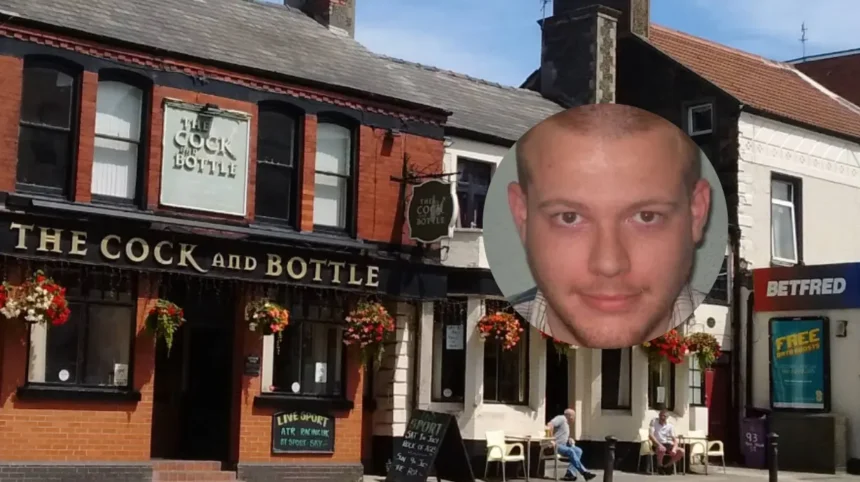
Wavetree Crime (Liverpool standard) August 05, 2026 – The selection of Joshua Bonehill-Paine as the Conservative candidate for the Crewkerne South division of Somerset Council has sparked national controversy after his past conviction for racially aggravated harassment of a Jewish former MP came to light. Bonehill-Paine, who was jailed in 2016 for a campaign of antisemitic abuse against Baroness Luciana Berger, will stand in the local elections scheduled for May 2027.
- Key Points
- What did Luciana Berger say about Bonehill-Paine’s candidacy?
- How did Kemi Badenoch defend selecting Bonehill-Paine?
- What offences was Bonehill-Paine convicted of?
- What has Bonehill-Paine said about his past?
- What reaction has there been from Jewish groups and politicians?
- Background: how did this development unfold?
- Prediction: how could this affect voters, Jewish communities and the Conservative Party?
What did Luciana Berger say about Bonehill-Paine’s candidacy?
As reported by Will Meakin-Durrant of The Independent, Baroness Berger said she was “a bit sick” reading commentators debate his selection and some suggesting “these are precisely the people we need in public office”. She wrote on X:
“For the avoidance of doubt I don’t believe this man should have any role in public life – because of both his racism and his view of women. Kemi Badenoch you’ve got this very, very wrong.”
Berger recalled giving evidence in Bonehill-Paine’s trial at the Old Bailey while six months pregnant, describing it as “two days of hell”. She added: “This case still haunts me.” Her comments came after Bonehill-Paine’s selection was confirmed for the Crewkerne South seat on Somerset Council.
How did Kemi Badenoch defend selecting Bonehill-Paine?
Conservative leader Kemi Badenoch has strongly defended the decision, telling reporters:
“I want to be very clear – and I think people can look at me and know that I’m not a person who would be recruiting neo-Nazis.”
She said Bonehill-Paine had been
“certified by the Home Office to train police officers on antisemitism and on countering extremism”.
Badenoch added:
“This is not just someone that we’ve picked up who is a convicted criminal – this is somebody who is actively working to help communities, especially Jewish communities.” She argued: “I want to see second chances for good people, for people who’ve learned their lessons, for people who are showing that they know what they did was wrong.”
According to Reuters, Badenoch partly defended the selection by referencing Labour’s choice of a former Nazi as a local election candidate in 2012, though she described Bonehill-Paine’s past actions as “appalling”. She said he had disavowed his previous views and would be focused on local issues such as “parking, sorting out bins”.
What offences was Bonehill-Paine convicted of?
Bonehill-Paine has a lengthy criminal record. In 2015 he was sentenced to more than three years in prison for inciting racial hatred after producing a flyer featuring an image of Auschwitz and promising “an absolute gas” at a rally in Golders Green, north London.
In 2016 he received a further two-year sentence for racially aggravated harassment of Berger. As noted in sentencing remarks by Mr Justice Spencer, Bonehill-Paine engaged in a “cruel campaign of vile racist abuse on the Internet” against Berger between October 2014 and January 2015. He wrote blog posts describing her as “an evil money-grabber” with a “deep-rooted hatred of men” and claimed the number of Jewish Labour MPs was a “problem”.
His other convictions include assaulting a police officer, stealing a police uniform, and malicious communications for branding social media users paedophiles. He left prison in 2018 after serving consecutive sentences.
What has Bonehill-Paine said about his past?
In a statement seen by the Press Association, Bonehill-Paine said: “Eight years ago, I made the decision to confront and combat antisemitism. I felt enormous grief and shame over the way I had treated Jewish people in this country.” He described his past actions as “utterly indefensible” and said he has since dedicated himself to challenging hatred faced by British Jews.
What reaction has there been from Jewish groups and politicians?
Jewish organisations have condemned the selection. A spokesman for Jewish Labour said:
“It is truly appalling that the Conservative Party has picked Joshua Bonehill-Paine as a council candidate. This is a former neo-Nazi who was sent to prison for targeting a Jewish MP.”
The Jewish Chronicle reported growing backlash to the decision, with calls for Bonehill-Paine to be removed from the council race.
BBC Radio 4’s Today programme highlighted the controversy, noting Badenoch’s defence of the selection alongside criticism from Berger and Jewish groups. The Telegraph reported that Badenoch’s stance has drawn sharp criticism as she insists the party “believes in second chances”.
Background: how did this development unfold?
The selection emerged as part of the Conservative Party’s candidate announcements for Somerset Council’s May 2027 local elections. Bonehill-Paine, who now runs the Crewkerne Gazette, was chosen to contest the Crewkerne South division. His past quickly became a focal point after media outlets highlighted his convictions for antisemitic offences and harassment of Berger.
Berger’s public response on X amplified the story, prompting national coverage and questions for Badenoch during press engagements and broadcast interviews. Badenoch’s defence centred on rehabilitation, Bonehill-Paine’s current work on antisemitism training, and the principle of second chances, while critics emphasised the severity of his past hate crimes and the message his candidacy sends.
Prediction: how could this affect voters, Jewish communities and the Conservative Party?
This development is likely to influence voter perceptions in Somerset and beyond, particularly among Jewish communities and those concerned with hate crime and extremism. For some voters, Badenoch’s emphasis on rehabilitation and Bonehill-Paine’s current role training police on antisemitism may be seen as a credible path to reintegration. For others, the gravity of his past offences and the distress caused to Berger could undermine trust in the Conservative Party’s judgment and commitment to tackling racism.
Locally, the Crewkerne South contest may see heightened scrutiny of Bonehill-Paine’s record and fitness for office, potentially affecting turnout and vote share. Nationally, the episode could shape debates about candidate vetting, the boundaries of second-chance politics, and the Conservative Party’s relationship with Jewish voters ahead of future elections.