

Key Points
- Liverpool FC’s bid to make the Anfield Road closure permanent has been rejected by Liverpool City Council’s planning committee.
- The road behind the expanded Anfield Road stand has remained closed to vehicles since construction work began, although pedestrian and cycle access has been allowed.
- Club representatives argued that security, safety and hostile vehicle risk justified keeping the route closed.
- Local councillors and residents said the club had broken promises and damaged trust in the community.
- Committee members cited traffic flow, residential amenity and environmental nuisance in their minded-to-refuse position.
- The club’s wider consultation also covered summer concert timing and a one-off major event proposal.
- The issue is linked to broader concerns around congestion, parking, noise and matchday disruption in Anfield.
Liverpool Live Traffic & Travel (Liverpool standard) July 28, 2026 – Liverpool FC’s relationship with residents around Anfield has come under fresh strain after councillors moved to reject the club’s bid to permanently close a section of Anfield Road behind the expanded stand. The dispute centres on whether the route should remain open to vehicles after years of construction-related closure, with the club saying the pedestrianised layout improves safety and residents saying promises were broken.
- Key Points
- What is the road closure issue?
- What did Liverpool FC argue?
- Why did councillors and residents object?
- What did the planning committee decide?
- How does the concert issue fit in?
- What does this mean for the local area?
- Background of the development
- Prediction: how could this affect residents and supporters?
What is the road closure issue?
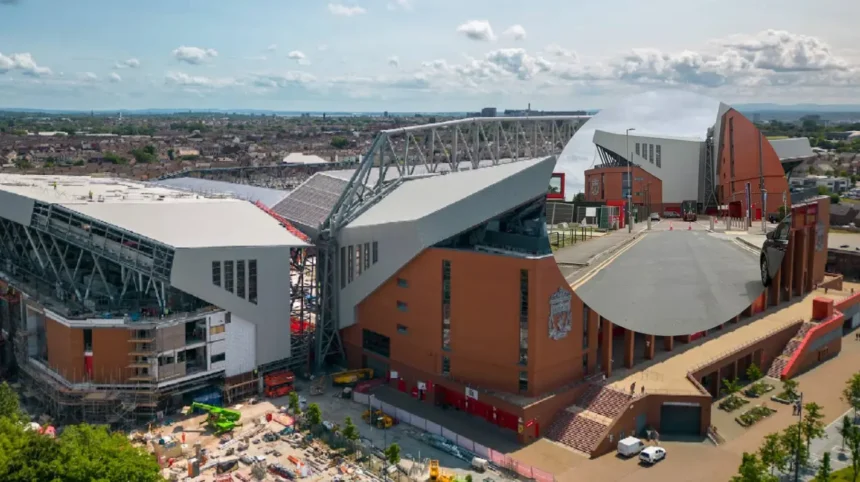
The route between Alroy Road and Skerries Road has been closed to vehicles for about five years while Liverpool FC expanded the Anfield Road stand. The work was completed in 2024, but the road was not reopened to cars, even though pedestrians and cyclists were allowed through.
As reported by Neil Tague of Place North West, the road now forms a plaza-style shared space around the stadium, and the club wants that arrangement made permanent. The council’s planning officers had recommended approval, but committee members later decided they were minded to refuse the proposal.
What did Liverpool FC argue?
According to Sam Ryan, speaking for the club as reported by the Liverpool Echo and Place North West, the road should remain closed because of safety and security concerns, including the risk of hostile vehicle attacks. She said Anfield was a tier-one location with a high volume of visitors and that the current layout functions as a safer pedestrian route.
The club also pointed to Martyn’s Law and referenced past incidents to support its case for keeping the route closed. In addition, it said the pedestrianised area fits better with the wider regenerated surroundings around the stadium.
Why did councillors and residents object?
Local councillors said the plan amounted to a breach of trust. Cllr Joe Hanson, Cllr Billy Lake and Cllr Ellie Byrne all criticised the proposal at committee, while Ian Byrne MP said he felt a sense of sadness and betrayal and warned the move would damage relations with the community.
Residents also said the club had previously indicated the road would reopen after construction. Sue Humphreys, who lives on Alroy Road, said people who do not live in the area do not understand the effect of stadium activity on family life, while other residents said traffic, parking and access problems had worsened.
What did the planning committee decide?
Liverpool City Council’s planning committee gave a minded-to-refuse verdict on the proposal, despite the officer recommendation to approve. The grounds cited included traffic flow, residential amenity and environmental nuisance.
The committee process included a site visit and a long debate over whether safety arguments were strong enough to justify permanent closure. Councillors also questioned whether alternative solutions had been properly explored.
How does the concert issue fit in?
The application was linked to a wider request about summer events at Anfield. The club wanted to shift the existing 31-day respite period so it could host concerts earlier in the summer, while still keeping the same total break from live events.
Residents and councillors said that, taken together with the road closure proposal, the changes suggested a larger shift in how the stadium area operates. Supporters of the concert plan argued the events bring money into the local economy and help nearby businesses.
What does this mean for the local area?
The row has become part of a wider debate about how Anfield balances major events with day-to-day neighbourhood life. Residents have described congestion, parking pressure, noise, litter and disruption on matchdays and concert days, while the council says it works with Liverpool FC, Merseyside Police and other partners to manage those issues.
The planning committee’s refusal to back the permanent closure does not end the matter, but it does show that councillors are not willing to accept the club’s arguments without further challenge.
Background of the development
The dispute began during the redevelopment of the Anfield Road stand, when the road behind the stadium was closed for construction. At the time, residents say they were told the road would reopen once the work was finished, but the club later argued that the redesigned layout and security concerns justified keeping it closed.
The issue has also reflected long-running tensions between Liverpool FC’s growth as a major event venue and the daily experience of people living nearby. Local opposition has focused on trust, access and the impact of stadium-related traffic on residential streets.
Prediction: how could this affect residents and supporters?
For Anfield residents, the immediate effect is continued uncertainty over access, parking and traffic if the club submits a revised proposal. If the council maintains its resistance, the club may need to rethink the layout or offer stronger evidence on safety and community impact.
For supporters and event-goers, the decision may slow any further changes around the stadium’s road network and concert planning. For local businesses, the wider debate could shape how Liverpool manages the balance between matchday commerce, event income and residential quality of life.