
Key Points
- Preston-based developer Breck Homes has secured planning approval for 84 affordable homes on the former Huyton Cricket Club site on Huyton Lane, Merseyside.
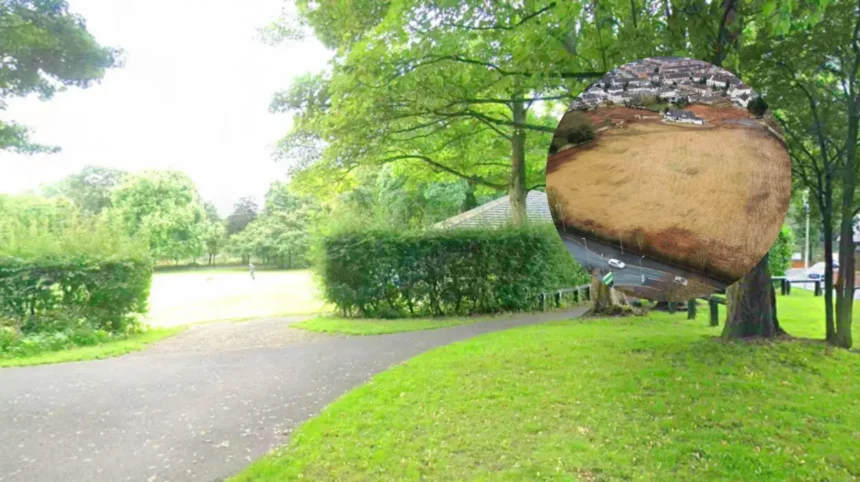
- The 6.5‑acre site has been largely unused since the cricket club folded in 2009 and was purchased by Breck in late 2024.mediahelpingmedia+1
- The mix includes two- to four-bedroom houses and one- to two-bedroom apartments for shared ownership, affordable rent and rent-to-buy.
- Knowsley Council’s planning committee resolved to grant approval, subject to Section 106 agreements being signed.
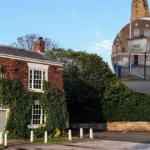
- Plans include sensitive restoration of the Grade II‑listed pavilion, originally built in 1875, plus new public spaces including a pond.
- Phil Dolan, managing director North West at Breck Homes, said the scheme responds to a “real and growing need for affordable housing in Knowsley”.
- Breck is in advanced discussions with a regional affordable housing provider to acquire the development on completion.
- The project aims to transform a long‑vacant site into a new community while respecting local history and people’s wishes.mediahelpingmedia
Huyton (Liverpool standard) July 11, 2026 – Preston-based property developer Breck Homes has secured planning approval for the construction of 84 affordable homes at a former cricket club in Merseyside, marking a significant step in the redevelopment of a site that has lain largely unused for more than a decade.
- Key Points
- What does the new Huyton homes scheme include on the former Huyton Cricket Club site?
- How have local planners and stakeholders responded to the Breck Homes proposal?
- Why is the former Huyton Cricket Club site critical for affordable housing in Knowsley?
- What heritage and community elements are being preserved in the Huyton development?
- How will the completion and management of the Huyton homes affect delivery?
- Background to the development of the former Huyton Cricket Club site
- Prediction: How this development can affect residents and the wider Huyton community
The development, on the 6.5‑acre site of the former uk/local/huyton/">Huyton Cricket Club on Huyton Lane, will deliver a mix of two- to four-bedroom houses and one- to two-bedroom apartments intended for shared ownership, affordable rent and rent-to-buy schemes. Knowsley Council’s planning committee resolved to grant approval, subject to the signing of Section 106 agreements, which will formalise obligations such as infrastructure contributions and affordable housing commitments.
As reported by the local planning record, the cricket club folded in 2009 and the site was purchased by Breck in late 2024, setting in motion a multi-stakeholder process to bring the land back into active use.
What does the new Huyton homes scheme include on the former Huyton Cricket Club site?
The proposed development covers a 6.5‑acre plot that has been underused since the club’s closure, with Breck planning to reconfigure the land into a residential community while retaining elements of its historic character.
The housing mix will include:
- Two- to four-bedroom houses aimed at families and those seeking more space.
- One- to two-bedroom apartments suitable for singles, couples and smaller households.
These units will be offered through shared ownership, affordable rent and rent-to-buy models, broadening the range of options for local residents who may struggle to access market-rate housing.
In addition to housing, the plans involve the sensitive restoration of the Grade II‑listed cricket pavilion, originally built in 1875, ensuring that a key piece of local heritage is preserved within the new community. The scheme also includes new areas of public space, including a pond, to provide recreational and environmental benefits for residents and neighbours.
How have local planners and stakeholders responded to the Breck Homes proposal?
Knowsley Council’s planning committee has resolved to approve the scheme, indicating that the proposals meet local planning requirements and respond to identified housing needs in the borough. The conditional nature of the approval – pending Section 106 agreements – reflects standard practice in English planning, where such agreements lock indeveloper commitments and protect public interests.
Phil Dolan, managing director – North West at Breck Homes, said: “Since purchasing the former Huyton Cricket Club in 2024, we have worked with a variety of stakeholders to ensure that our proposed development of high quality homes and public space is sensitive to the wishes of local people as well as the history of the site – to maximise the benefits for the people of Huyton”.
He added: “There’s a real and growing need for affordable housing in Knowsley and we’re pleased that Knowsley Council has recognised how our new community can contribute to transforming the former cricket club site and the wider area, giving local people and families a home they can be proud of”.
As reported in the council planning record, Breck is currently in advanced discussions with a regional affordable housing provider to acquire the development on completion, suggesting that the homes will likely be managed and let by an organisation with a dedicated focus on affordable housing rather than purely commercial landlords.
Why is the former Huyton Cricket Club site critical for affordable housing in Knowsley?
The Huyton Cricket Club site has been largely unused since 2009, representing a long period of disuse on a 6.5‑acre plot that is now being redirected towards housing in an area where affordable accommodation is increasingly scarce.mediahelpingmedia+1
Knowsley, like many parts of the North West, has seen rising demand for affordable housing in the face of higher living costs and constrained supply. The introduction of 84 homes through shared ownership, affordable rent and rent-to-buy models is designed to address this gap by offering routes into housing for people who are not able to purchase on the open market but who may not qualify for, or need, social rent.
By converting a long-vacant former community facility into a residential neighbourhood, the project also helps to make productive use of land that has not contributed to local economic or social activity for more than 15 years.
What heritage and community elements are being preserved in the Huyton development?
A central feature of the scheme is the restoration of the Grade II‑listed cricket pavilion, originally constructed in 1875, which will be retained and repaired as part of the new development.
The inclusion of a listed building within a residential scheme requires careful design to ensure that the pavilion’s historic character is respected while integrating it into a modern community setting. This approach reflects broader planning guidance in England that seeks to protect and enhance heritage assets while enabling sustainable development.
Beyond the pavilion, the plans include new public spaces, including a pond, which will provide green infrastructure and recreational opportunities for residents. These elements are intended to support community cohesion and improve the quality of life in the new neighbourhood, complementing the housing with environmental and social benefits.
How will the completion and management of the Huyton homes affect delivery?
Breck Homes has indicated that it is in advanced discussions with a regional affordable housing provider to acquire the development on completion, meaning that once construction finishes, the homes will likely be transferred to an organisation with a specialist focus on affordable housing.
This arrangement suggests that the units will be managed, leased or sold under affordable housing models rather than being retained for private sale or speculative investment, aligning with the council’s objectives for the site. The involvement of an affordable housing provider may also help to secure long-term stewardship of the public spaces and listed pavilion, ensuring that community benefits are maintained over time.
Background to the development of the former Huyton Cricket Club site
The former Huyton Cricket Club, located on Huyton Lane, ceased operations in 2009 after the club folded, leaving the 6.5‑acre site largely unused for more than a decade. The site includes a Grade II‑listed cricket pavilion built in 1875, which has remained a notable heritage feature despite the loss of regular cricket activity.
In late 2024, Preston-based developer Breck Homes purchased the site, beginning a process of engagement with local stakeholders, including Knowsley Council, to explore options for redevelopment. Over the following years, Breck developed proposals that balanced the need for new affordable housing with the preservation of the pavilion and the creation of public space, leading to the planning application that has now been approved in principle.
The decision by Knowsley Council’s planning committee to resolve to grant approval, subject to Section 106 agreements, reflects a consensus that the scheme meets local planning policies and addresses an identified need for affordable housing in the borough.
Prediction: How this development can affect residents and the wider Huyton community
The delivery of 84 affordable homes on the former cricket club site is likely to have a direct impact on local residents, particularly those seeking housing through shared ownership, affordable rent or rent-to-buy routes. Families and individuals currently unable to access market housing in Huyton and Knowsley may find new options that align with their financial circumstances, potentially reducing pressure on overcrowded households and supporting longer-term stability.
For the wider community, the reactivation of a long-vacant site is expected to improve the visual quality of Huyton Lane, reduce the risk of neglect or misuse of the land and contribute to local economic activity through construction and subsequent management of the homes. The restoration of the listed pavilion and the creation of new public spaces, including a pond, may also enhance local amenity, offering recreational space that can strengthen community ties and improve perceptions of the area.
However, the scale of change will also bring considerations around infrastructure, transport and local services, which will need to be managed through the Section 106 agreements and ongoing engagement between Breck Homes, the affordable housing provider and the council. If these elements are effectively coordinated, the development could set a precedent for how underused former community sites can be converted into sustainable, affordable neighbourhoods that respect local heritage while meeting pressing housing needs.