
Key Points
- A Huyton resident, June, returned to work after nearly two years with support from the Positive Inclusion Team at Knowsley Works.
- June, a qualified HGV driver, stopped working in 2024 after a blood cancer diagnosis and underwent intensive treatment during 2024–25.
- June approached Knowsley Works in Huyton in October 2025 seeking help to re-enter the workforce.
- Knowsley Works supported June with a revised CV, interview coaching and employer outreach, led by Disability Adviser Maria Hart.
- June applied for and won a place on a bus driver trainee role, beginning training in March 2026 and completing it in May 2026.
- Quotes included from June and Maria Hart; local councillor Cllr Tony Brennan praised the service and encouraged residents to seek help.
- The story draws on statements and local council communications about the Positive Inclusion Team’s role in supporting residents back to work.
Knowsley Council (Liverpool standard) July 03, 2026 – A uk/local/huyton/">Huyton resident, June, has returned to work after nearly two years thanks to targeted support from the Positive Inclusion Team at Knowsley Works.
- Key Points
- How did the Positive Inclusion Team adapt roles to fit June’s health needs?
- Who from Knowsley Works worked directly with June and what did they do?
- Which role did June apply for and what was the outcome?
- What has June said about getting back to work?
- What have local leaders said about the case and the service?
- What practical support does Knowsley Works provide to residents returning to work?
- Who provided the information for this report?
- Background of the particular development
- Prediction: how this development can affect local residents seeking work
As reported by Knowsley Council’s press office, June a qualified HGV driver who stopped working after a blood cancer diagnosis in 2024 approached the Huyton Knowsley Works shop in October 2025 seeking support to re-enter employment. She had undergone intensive treatment during 2024 and taken time to rest and recover before seeking assistance.
How did the Positive Inclusion Team adapt roles to fit June’s health needs?
Knowsley Works’ Positive Inclusion Team assessed June’s situation and recognised her passion for driving while acknowledging that long HGV shifts were not compatible with her ongoing hospital appointments. Knowsley Works’ Disability Adviser, Maria Hart, supported June to explore alternative driving roles that could accommodate her health needs. The team helped June develop a new CV, provided interview technique coaching and used their employer network to identify suitable vacancies.
Who from Knowsley Works worked directly with June and what did they do?
Maria Hart of Knowsley Works led the support for June. Maria said: “I knew June had the skills and experience to do well but it was important that she felt confident. Through interview preparation we helped her showcase her strengths and skills, and her potential and natural positivity shone through!” The team’s practical support included rewriting June’s CV to emphasise transferable skills from HGV driving and conducting mock interviews to build confidence ahead of a real assessment.
Which role did June apply for and what was the outcome?
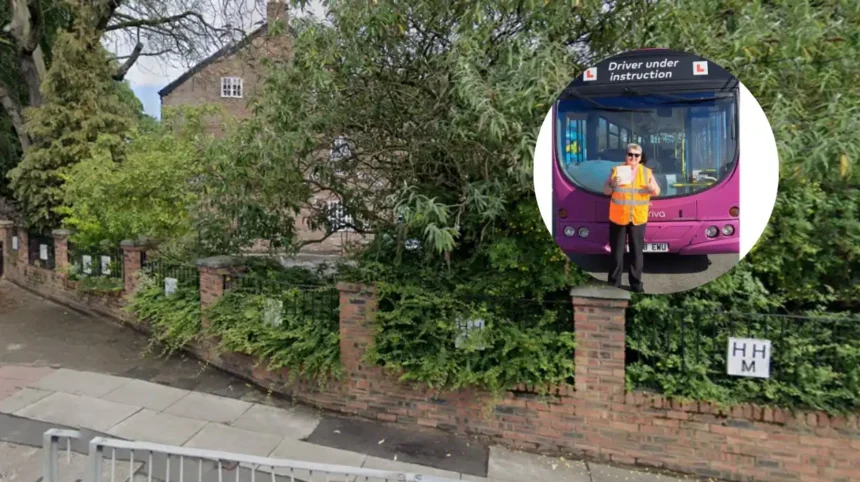
June applied for a trainee bus driver role after advice from her Disability Adviser and secured an interview. Having had only one formal interview previously, June felt apprehensive, but with preparation she performed well and was offered the position. She began bus driver training in March 2026 and successfully completed it in May 2026.
What has June said about getting back to work?
June said: “I wanted to get back to work after my treatment, but I was still attending hospital appointments, and going back to HGV driving wasn’t possible due to the long hours. However, I love driving and a new role back behind the wheel was my dream.” After completing training she added: “Thanks to the support of the Positive Inclusion team at Knowsley Works I’ve been able to get back into work after everything I’ve been through. It’s given me a reason to get up in the morning again and I’m really enjoying the job.”
What have local leaders said about the case and the service?
As reported by Cllr Tony Brennan, Knowsley Council’s Deputy Leader and Cabinet Member for Regeneration and Economic Development, he said: “I was delighted to hear June’s story and the impact that services such as Knowsley Works are having on supporting residents back into work. I would urge any residents who are looking for employment to contact the team and find out how they can support them on their journey.” The statement was issued by Knowsley Council alongside coverage of the Positive Inclusion Team’s recent activities.
What practical support does Knowsley Works provide to residents returning to work?
Knowsley Works’ Positive Inclusion Team offers tailored assistance to residents facing barriers to employment, including health-related challenges. Services highlighted in this case include:
- One-to-one disability-adjusted career advice and role matching.
- CV redesign to emphasise transferable skills.
- Interview technique coaching and mock interviews to build confidence.
- Employer engagement and job brokerage to identify suitable vacancies.
- Referral to training programmes and in-work support during early employment.
Who provided the information for this report?
This article is based on official statements from Knowsley Council’s press communications and direct quotes attributed to Knowsley Works staff and the beneficiary, June. Specific quotes from June and Maria Hart were published by Knowsley Council in the organisation’s account of the Positive Inclusion Team’s work.
Background of the particular development
Knowsley Works is Knowsley Council’s employment service, designed to help local residents access training, job opportunities and tailored support. The Positive Inclusion Team specialises in assisting people who face additional barriers to work, such as disability, long‑term illness, or caring responsibilities. Schemes often combine personalised coaching, links with local employers and access to funded training. Local authorities across the UK have increasingly emphasised such targeted support to improve employment rates among residents with health challenges since the early 2020s, responding to both pandemic-era labour market shifts and ongoing public health pressures. Knowsley Council’s recent communications have highlighted multiple successful placements achieved through Knowsley Works, positioning the service as a resource for residents seeking to re-enter the workforce after illness or other setbacks.
Prediction: how this development can affect local residents seeking work
This successful placement is likely to encourage other Knowsley residents with health-related employment barriers to engage with Knowsley Works, increasing demand for tailored support services. The visible successpublicised by the council and local spokespeople—may strengthen employer confidence in recruiting residents with recent health histories, especially where training and in-work support are provided. For individuals, it demonstrates that transferable skills can be reframed to suit alternative roles, potentially shortening the route back to paid employment and improving wellbeing. For Knowsley Works and local providers, the case may support continued or expanded funding and employer partnerships, enabling more tailored interventions, but it may also require scaling resources to meet rising referrals.