
Liverpool’s green spaces offer residents and visitors alike a serene escape from urban life, blending rich Victorian heritage with vital ecological roles. These parks and gardens, spanning over 2,500 acres, have evolved from private estates into public treasures that enhance health, biodiversity, and community spirit.
- Historical Roots of Liverpool’s Parks
- Sefton Park: Victorian Splendor Unveiled
- Princes Park: Birthplace of Urban Greenery
- Stanley Park: Gateway to Sporting Heritage
- Other Treasured Green Havens
- Biodiversity and Ecology in Liverpool’s Greens
- Health and Wellbeing Boost from Green Lungs
- Exploring Liverpool’s Green Trails
- Preservation Efforts and Future Vision
- Community Role in Green Spaces
- Seasonal Charms Across the Parks
Historical Roots of Liverpool’s Parks
Liverpool’s green spaces trace their origins to the 18th and 19th centuries, when the city’s booming trade as the “second city of the Empire” prompted visionary investments in public recreation. During the Industrial Revolution, rapid urbanization left workers in cramped conditions, leading philanthropists and council leaders to champion parks as “lungs” for the metropolis. Pioneering designs drew from landscape architects like Joseph Paxton, whose influence rippled from Birkenhead Park into Liverpool’s own layouts.
The Victorian era marked a golden age for these developments. In 1842, Princes Park opened as one of the first suburban parks in England, funded privately by developer Richard Vaughan Yates to boost surrounding property values. By 1870, parks like Stanley and Sefton embodied a municipal commitment to public welfare, with French architect Édouard André shaping Sefton’s romantic contours of lakes and follies. These spaces were not mere lawns but deliberate landscapes promoting moral and physical improvement, reflecting Liverpool’s status as a global port where merchants imported exotic plants to adorn their creations.
Today, this legacy endures through Grade II* listings by Historic England, ensuring preservation amid modern pressures. Restoration projects, backed by council funds and community groups, revive features like conservatories and terraces, safeguarding history for future generations.
Sefton Park: Victorian Splendor Unveiled
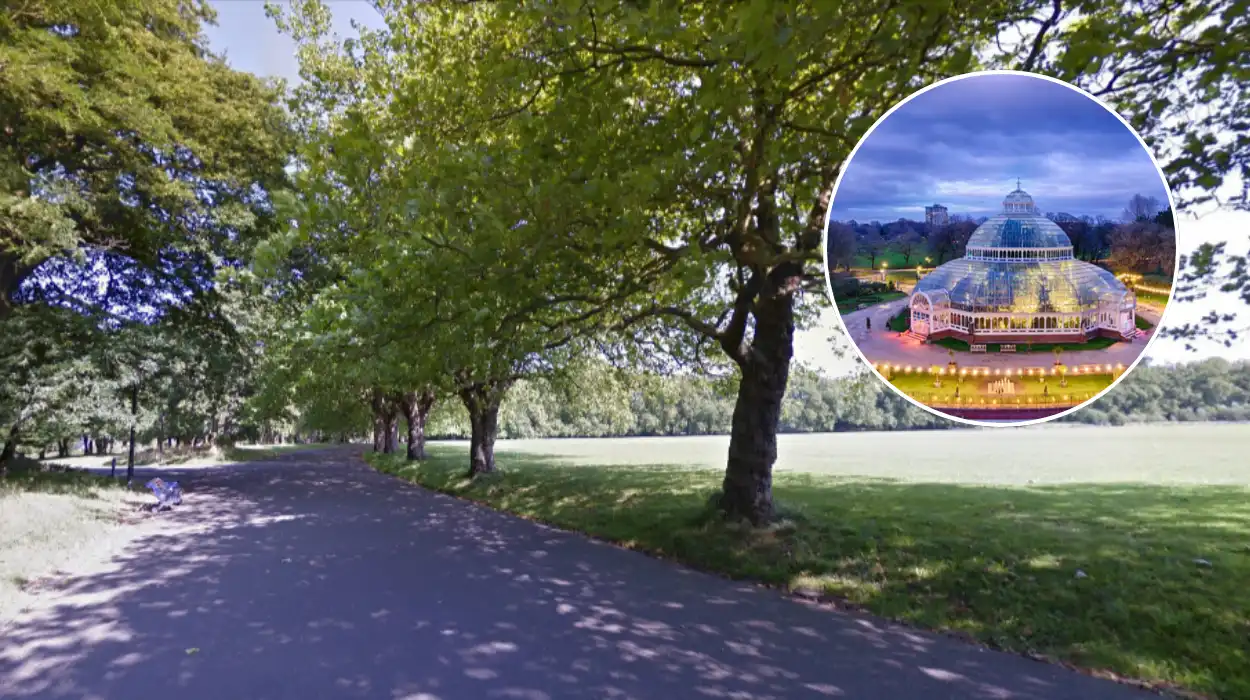
Sefton Park stands as Liverpool’s crown jewel, a 235-acre expanse in the south of the city that captures the essence of 19th-century park design. Purchased in 1867 from the Earl of Sefton for public use, it was laid out by André and local architect Lewis Hornblower, opening in 1872 under Prince Arthur’s dedication “for the health and enjoyment of the townspeople.”
Winding paths circle a seven-acre lake fed by natural streams, dotted with stepping stones, waterfalls, and boathouses that evoke a picturesque idyll. The iconic Palm House, a domed glass structure restored in recent years, shelters tropical ferns and orchids, drawing crowds for its architectural beauty and year-round blooms. Elevated terraces offer panoramic views, while ancient oaks and rhododendrons frame bandstands and statues, including a restored Peter Pan figure.
Sefton thrives as a hub for events, from orchestral summer concerts to festivals like Africa Oyé, blending leisure with culture. Its formal gardens and wilder fringes host tennis, cycling, and picnics, making it a daily retreat for joggers and families amid the city’s rhythm.
Princes Park: Birthplace of Urban Greenery
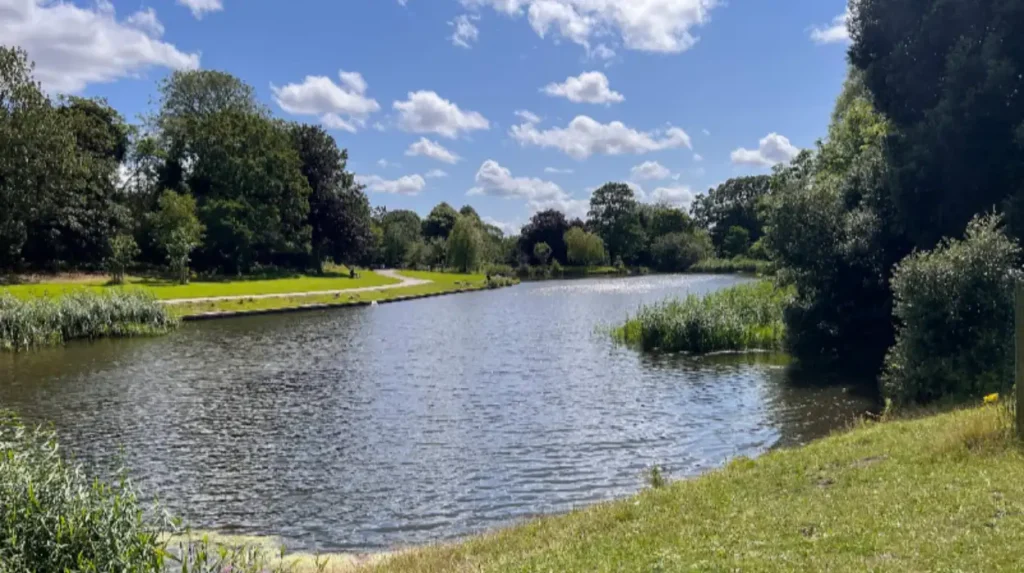
Nestled in Toxteth, Princes Park predates Sefton as a trailblazer, opening in 1843 on land once part of Toxteth’s royal deer park. Designed by Paxton and James Pennethorne, its serpentine lake and circular carriage drive pioneered the Victorian park model, inspiring replicas worldwide.
Named for the infant Prince of Wales, the 45-hectare site features original wrought-iron gates and an obelisk fountain, remnants of its private origins before council acquisition in 1918. Broad lawns sweep toward the water, where swans glide past willow-draped banks, and avenues of lime trees provide shaded walks.
This park pulses with community life, hosting cricket matches, funfairs, and multicultural gatherings that reflect Liverpool’s diversity. Its upgrade to Grade II* status underscores its role in modeling accessible green design for industrial cities.
Stanley Park: Gateway to Sporting Heritage
In Anfield, Stanley Park’s 46 hectares bridge nature and football fervor, designed by Edward Kemp and unveiled in 1870. Grand terraces overlook formal beds once graced by fountains, with the Grade II-listed Gladstone Conservatory showcasing hothouse exotics.
Flanked by Everton and Liverpool FC stadiums, it once hosted Everton’s early pitches and a horse track repurposed for cycles. Lakes reflect pavilion architecture, while open turfed expanses invite ball games and kite-flying on breezy days.
Regeneration via public funds has polished paths and play areas, positioning Stanley as a pre- or post-match haven. Its layout balances wild meadows for wildlife with structured gardens, embodying Liverpool’s blend of grit and grace.
Other Treasured Green Havens
Liverpool’s network extends beyond flagships. Calderstones Park, 38 hectares in Allerton, boasts a mansion cafe, rockery gardens, and a lake teeming with waterfowl, its botanical collections rivaling formal arboretums. Croxteth Country Park sprawls 203 hectares in the north, merging farm trails, hall tours, and ancient oaks for immersive countryside escapes within city bounds.
Walton Hall Park offers aviary aviaries and miniature railways beside boating lakes, while Newsham Park’s Victorian gates enclose serene waters ideal for quiet reflection. Riverside gems like Otterspool Promenade hug the Mersey with wildflower meadows, and intimate gardens such as Falkner Square provide Georgian enclave tranquility.
Wavertree Botanic Gardens preserve 19th-century walled enclosures with rare shrubs, a nod to Liverpool’s horticultural past.
Biodiversity and Ecology in Liverpool’s Greens
These spaces form a vibrant urban ecosystem, harboring over 4,000 plant species from global trade routes. Native oaks, beeches, and hawthorns shelter birds like kingfishers and tawny owls, while lakes support amphibians and pollinator meadows buzz with bees.
Ecological corridors link parks, aiding species migration and resilience against climate shifts. Council initiatives plant wildflower strips and manage invasive species, boosting butterfly counts and bat roosts. Sefton’s deer park remnants and Calderstones’ ancient woodland exemplify habitats fostering genetic diversity in a concrete jungle.
Wetlands filter pollutants, with rain gardens mitigating floods—a forward-thinking adaptation as sea levels rise along the Mersey.
Health and Wellbeing Boost from Green Lungs
Access to these parks slashes stress, with studies linking weekly visits to lower blood pressure and sharper mental focus. Liverpool Council partners with Fields in Trust to legally protect spaces, ensuring equitable distribution post-pandemic when usage surged for exercise and solace.
Walking trails total miles of paths; Sefton’s circuits burn calories amid fresh air, while Stanley’s lawns host yoga and team sports. Children thrive in play zones, from Reynolds Park’s walled gardens to Norris Green’s pitches, combating obesity in a city valuing active lives.
Mental health gains shine through: green views speed recovery, and community events in Princes Park weave social bonds, vital in diverse neighborhoods.
Exploring Liverpool’s Green Trails
Liverpool’s parks interconnect via pedestrian-friendly routes, ideal for full-day rambles. Start at Sefton, cross to Otterspool along the Mersey, or loop Anfield’s Stanley to Everton Park’s panoramic viewpoints overlooking the cathedral.
Themed walks highlight heritage—Victorian follies in Sefton or botanic rarities in Calderstones—while bike paths in Woolton Woods offer off-road adventures. Accessibility ramps and audio guides welcome all, turning exploration into inclusive discovery.
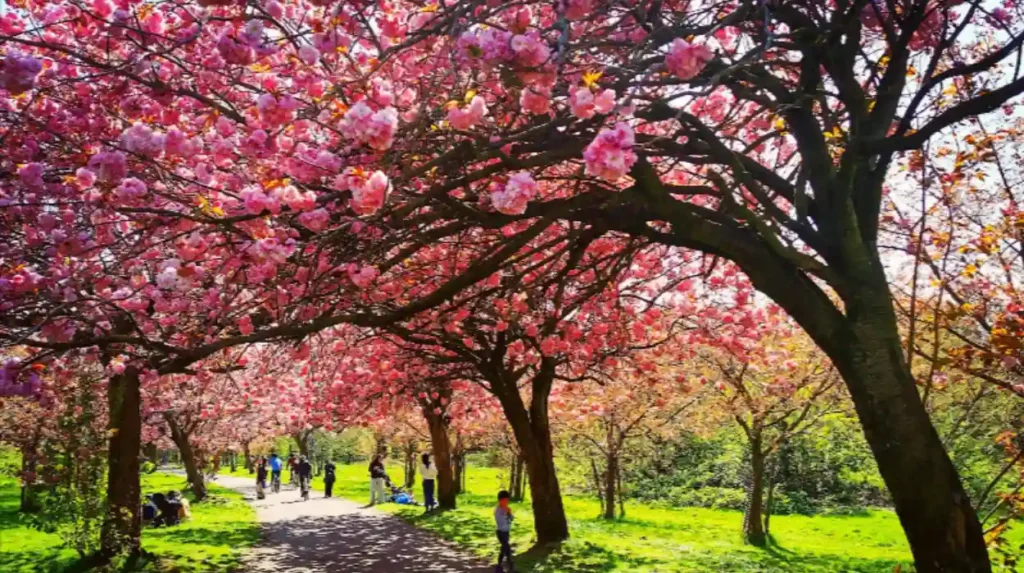
Seasonal shifts enchant: spring cherry blossoms in Falkner Square, autumn golds in Newsham, summer blooms in Palm House.
Preservation Efforts and Future Vision
Liverpool City Council maintains 100+ sites, investing in restorations like Sefton’s £multi-million upgrades and anti-litter campaigns. Community “Friends” groups mobilize volunteers for pruning and events, while URBAN GreenUP projects integrate nature-based solutions like permeable surfaces.
Commitments guarantee resident access, with policies shielding against development—vital as proposals like Stanley’s past stadium loomed. Future plans emphasize carbon sinks via tree planting and biodiversity nets, aligning with net-zero goals.
These efforts cement Liverpool’s greens as enduring assets, adapting Victorian vision to 21st-century needs.
Community Role in Green Spaces
Parks pulse with local life, from Lark Lane fairs near Sefton to multicultural picnics in Princes. Schools use Calderstones for ecology lessons, while seniors gather in St John’s Gardens for chess under shady lindens.
Events like Liverpool Philharmonic pops or circuses draw thousands, fostering unity. Volunteer drives clean paths and plant bulbs, instilling stewardship in youth.
Seasonal Charms Across the Parks
Spring awakens with daffodils blanketing lawns and magnolias bursting in Botanic Gardens. Summer hums with boating on Princes Lake and cricket echoes. Autumn carpets paths in copper leaves, perfect for foraging walks in Childwall Woods. Winter’s bare branches frame frosty vistas from Everton Park, with hardy perennials nodding resilience.
Year-round, these spaces refresh, proving nature’s timeless draw in Liverpool’s heartbeat.